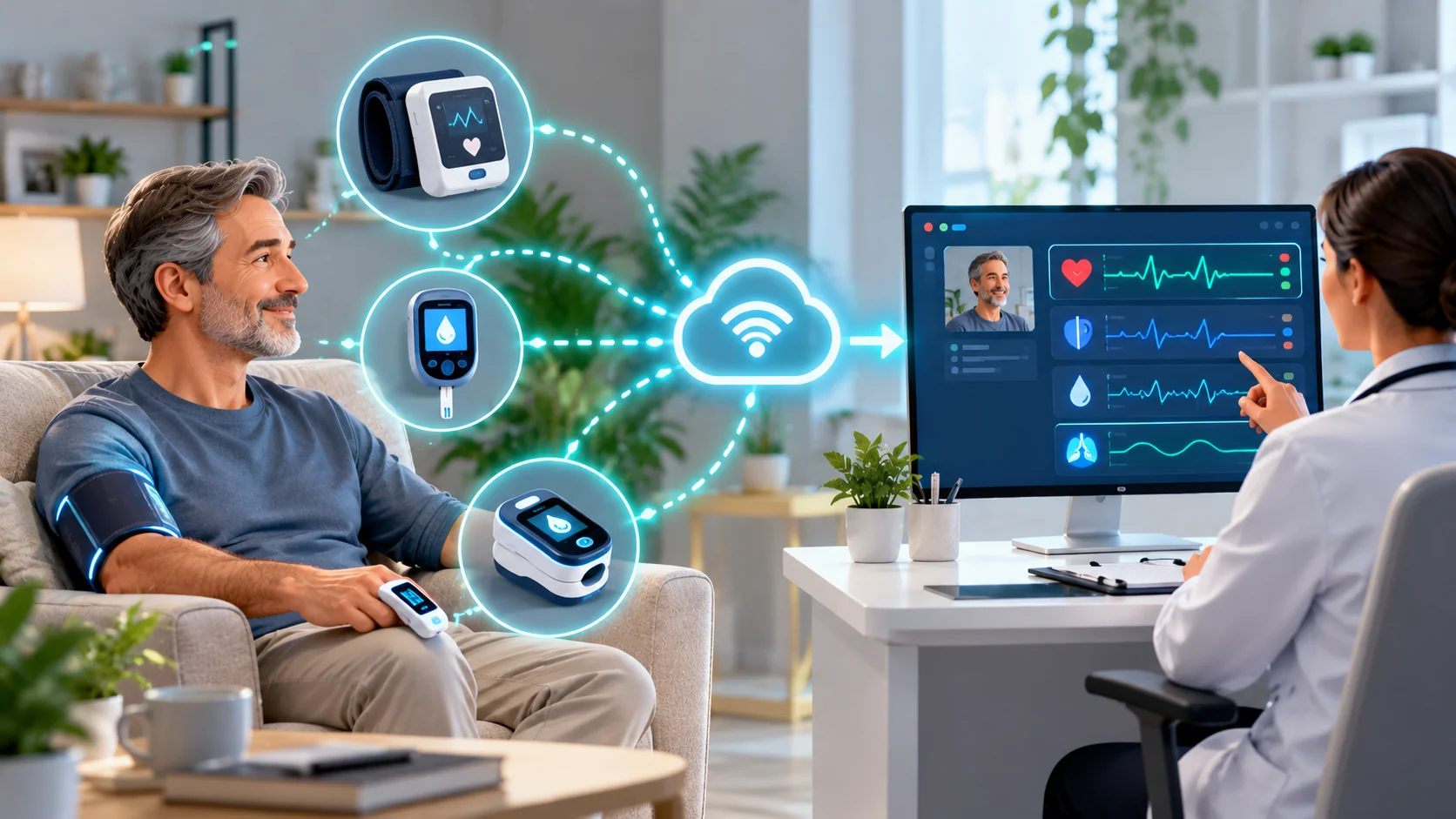


Telemedicine has become mainstream healthcare infrastructure in 2026. Over 30% of primary care visits now happen virtually. The platforms that deliver these visits range from general urgent care telehealth to specialized chronic condition management, mental health care, and direct-to-consumer prescription services.
This guide compares the four most relevant telemedicine platforms for consumers and covers how to choose based on your specific healthcare needs.
1. Teladoc Health: The Comprehensive Platform
Teladoc is the largest telemedicine platform globally with over 80 million members through employer benefits programs. It covers general medicine, mental health (BetterHelp is now part of the Teladoc ecosystem), dermatology, and chronic condition management.
Strengths
- Broadest service coverage of any major telehealth platform.
- Insurance integration with most major US health plans.
- Strong mental health platform through BetterHelp integration.
- Chronic disease management programs for diabetes, hypertension, weight management.
Weaknesses
- App experience can feel fragmented with separate apps for different service lines.
- Without employer or insurance coverage, per-visit costs are high.
Pricing
Often covered by employer benefits at no per-visit cost. Self-pay general medicine $75 per visit. Mental health varies.
2. MDLive: The Insurer-Integrated Option
MDLive (now owned by Cigna/Evernorth) is deeply integrated into major insurance networks and is the telehealth platform for many Blue Cross Blue Shield, Aetna, and Cigna members. Strong for urgent care, behavioral health, and dermatology.
Strengths
- Deepest insurance integration of any major platform.
- Strong for primary care, urgent care, behavioral health, and dermatology.
- Board-certified physicians available 24/7.
- Strong prescription capability for conditions within telehealth scope.
Weaknesses
- Less relevant if your insurer does not partner with MDLive.
- Limited specialty care beyond primary and behavioral health.
Pricing
Most members access through insurance at $0 to $30 copay. Self-pay from $82 per urgent care visit.
3. Amazon Clinic: The Retail Health Entrant
Amazon Clinic launched nationally in 2023 and has expanded rapidly. It focuses on common conditions (UTIs, pink eye, allergies, cold sores, hair loss, birth control) through a pay-per-condition model with transparent pricing. No insurance required.
Strengths
- Transparent flat-rate pricing per condition (most conditions $35 to $75).
- No appointment required for many conditions.
- Seamless prescription delivery through Amazon Pharmacy.
- Simple interface familiar to Amazon users.
Weaknesses
- Limited to common, low-acuity conditions. Not suitable for complex care.
- Does not accept insurance.
- Cannot manage chronic conditions or provide preventive care.
Pricing
Message-based consultation $35 to $75 per condition. Video visits $75. No insurance accepted.
4. Hims and Hers Health: The DTC Specialty Platform
Hims (men’s health) and Hers (women’s health) focus on specific condition categories: erectile dysfunction, hair loss, weight management (GLP-1 medications), skincare, mental health, and birth control. The DTC subscription model delivers ongoing treatment with automatic prescription refills.
Strengths
- Specialized and comprehensive for covered conditions.
- Subscription model simplifies ongoing treatment access.
- Strong for weight management (semaglutide prescriptions where eligible).
- Discreet direct shipping for sensitive conditions.
Weaknesses
- Limited to specific condition categories.
- Not suitable for primary or acute care.
- Generally does not accept insurance.
Pricing
Varies by condition. Hair loss from $22/month. ED from $3 per pill. Weight management $299+ per month. Mental health from $99/month.
Comparison Table
| Platform | Best For | Insurance | Starting Price |
| Teladoc | Comprehensive care, chronic conditions | Yes | $75 self-pay/visit |
| MDLive | Insurance-integrated urgent/primary care | Yes | $82 self-pay/visit |
| Amazon Clinic | Common low-acuity conditions, no insurance | No | $35 per condition |
| Hims / Hers | Specialty DTC (hair loss, ED, weight) | No | $22+/month |
Honorable Mentions
- Ro: strong competitor to Hims in men’s health, weight management.
- Cerebral: mental health-focused telehealth with therapy and medication management.
- Noom Medical: combines coaching with GLP-1 prescription access for weight management.
- SteadyMD: primary care telehealth subscription with ongoing physician relationship.
How to Choose the Right Telemedicine Platform
- For insured patients: check which platform your insurer covers (often Teladoc or MDLive) and start there.
- For common acute conditions without insurance: Amazon Clinic’s flat-rate model is the simplest and often cheapest.
- For chronic disease management: Teladoc’s specialty programs or direct primary care subscriptions.
- For specific DTC conditions: Hims/Hers, Ro, or category-specific platforms.
- For mental health: BetterHelp (Teladoc), MDLive Behavioral Health, or Cerebral.
5 Common Telemedicine Mistakes
- Using telehealth for conditions requiring physical examination. Some conditions (suspected fractures, abdominal pain requiring palpation, skin lesions requiring biopsy) require in-person evaluation. Know the limits.
- Not checking your insurance first. Most insured Americans have telehealth access through their plan at zero or low cost. Always check before paying self-pay rates.
- Treating prescriptions as the goal. Responsible telehealth providers decline to prescribe without appropriate clinical indication. Platforms that prescribe freely without thorough assessment take unacceptable risks.
- Not following up in person when needed. Telehealth is excellent for many conditions but often appropriate as a first step, not the only step.
- Sharing incomplete medical history. Medication interactions and contraindications require accurate history. Incomplete information produces risky prescribing.
Expert Tips
- Save your prescription list digitally. Telehealth providers need your current medication list. Keep a PDF accessible on your phone.
- Use Amazon Pharmacy regardless of platform. Amazon Pharmacy consistently offers lower cash prices than most brick-and-mortar pharmacies for common generics.
- Check GoodRx before any telehealth prescription. Discount codes often reduce prescription costs significantly.
- Create a patient portal account at your primary care provider. Telehealth visit notes shared with your PCP ensure continuity of care.
Frequently Asked Questions
Is telemedicine as effective as in-person care?
For appropriate conditions, research shows equivalent outcomes. Common infections, mental health follow-up, prescription renewals, and chronic disease management via telemedicine show outcomes comparable to in-person care in most published studies. Complex diagnostics, physical examination-dependent conditions, and emergency care still require in-person evaluation.
Can telemedicine prescribe controlled substances?
The pandemic-era DEA exemption allowing telemedicine prescribing of controlled substances has been extended through 2025 and is under permanent rulemaking in 2026. Currently most stimulants (ADHD medications), buprenorphine (addiction treatment), and some anxiolytics can be prescribed via telemedicine with appropriate clinical protocols.
Does telemedicine count toward my deductible?
When billed through insurance (Teladoc, MDLive), telemedicine visits typically apply to deductibles like other medical visits. Some employer benefits plans offer zero-cost telehealth as a standalone benefit outside the deductible. Check your specific plan documents.
Telemedicine Is Now Healthcare Infrastructure
Telemedicine in 2026 is not a pandemic-era exception. It is standard healthcare delivery infrastructure. The right platform depends on your condition, insurance status, and care needs. Most consumers benefit from knowing their insurer-provided platform, having Amazon Clinic as a backup for simple acute conditions, and using specialty platforms for ongoing DTC condition management.
For the complete digital health picture including wearables, AI diagnostics, and remote patient monitoring, read our pillar: Digital Health Revolution: How Wearable Tech Is Saving Lives in 2026. More health guides live on PostoryCafe.com.