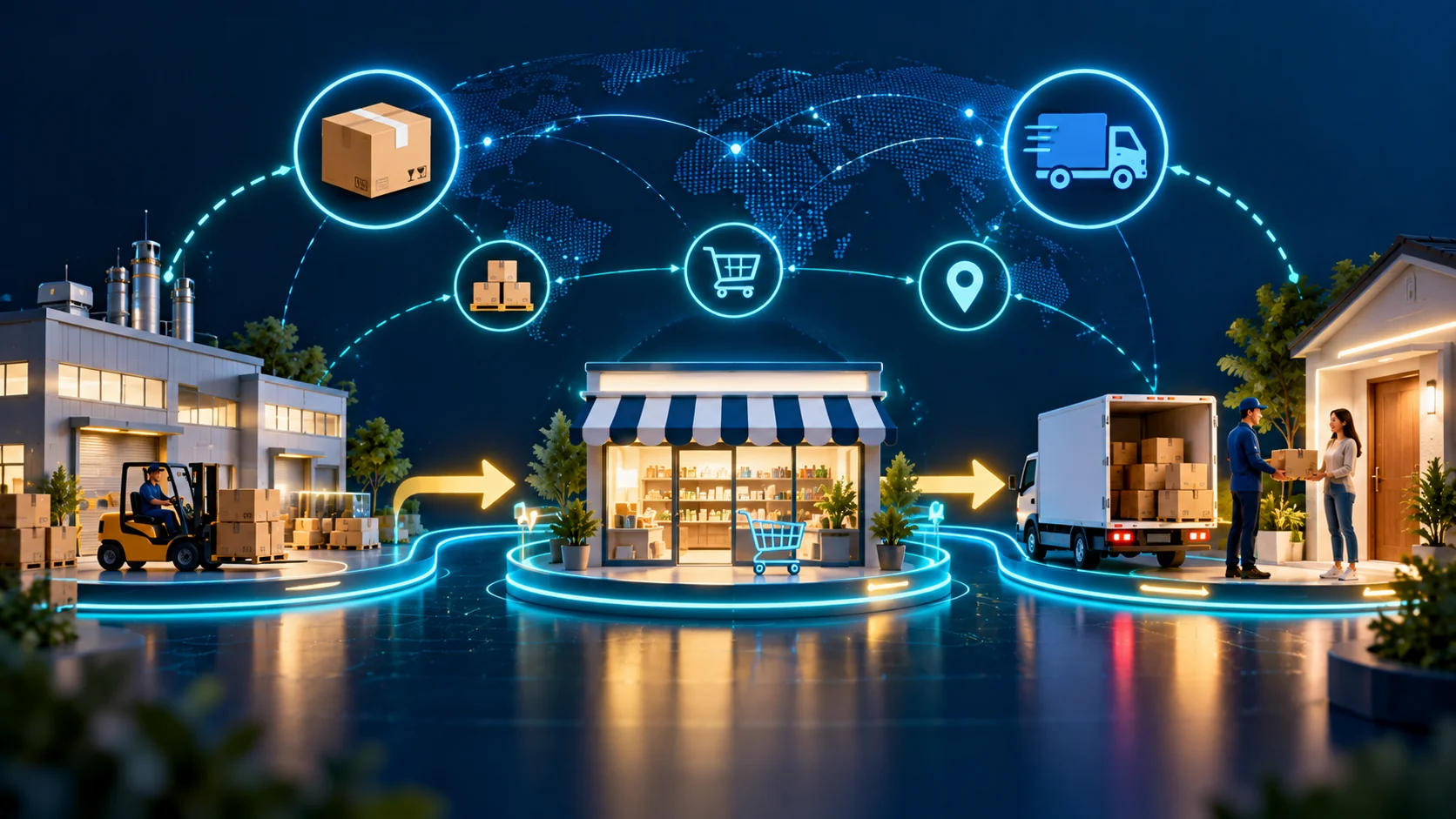
Dropshipping is the e-commerce model where you sell products without holding inventory. When a customer places an order, you purchase the item from a supplier who ships it directly. You capture the margin between your retail price and the supplier cost.
The appeal is clear: no upfront inventory investment, no warehouse, no fulfillment. The reality is more nuanced. Dropshipping has become more competitive in 2026, margins are thinner than they appear on the surface, and customer experience challenges from long shipping times are real. But profitable dropshipping businesses still launch and scale every year when founded on the right principles.
The Honest Numbers: What Dropshipping Actually Returns
Gross margins in dropshipping typically run 15 to 30%, much lower than private label (30 to 60%) or owned-brand products. After paid acquisition costs (which are essential because organic traffic takes months to build), many dropshipping operations net 5 to 15% operating margin at best.
The math works when: you identify winning products before competition saturates, you negotiate supplier terms that protect margin, you build an email list that reduces dependence on paid acquisition, and you operate in niches with genuine repeat purchase potential.
Supplier Models in 2026
AliExpress and Aliexpress-Based Suppliers (Legacy Model)
The original dropshipping model via AliExpress and apps like DSers or AutoDS. Still works but faces shipping time challenges (7 to 30 days from China), quality inconsistency, and intense competition because every competitor uses the same products. Viable for learning the model but not for building a defensible business.
US and EU Domestic Suppliers (Faster Shipping Model)
Suppliers on Spocket, Zendrop, Modalyst, and SaleHoo ship from US or EU warehouses. 3 to 7 day delivery is competitive with Amazon. Higher costs than Chinese suppliers but dramatically better customer experience. The right foundation for building a real brand.
Print-on-Demand (POD)
Printful, Printify, and Gelato print custom designs on products (t-shirts, mugs, phone cases, home goods) and ship directly. True differentiation through custom designs. Margins are thinner than standard dropshipping but products are genuinely unique.
Branded Dropshipping with a 3PL
Order a small batch of private-label or custom-packaged products from a manufacturer, store at a 3PL (ShipBob, Deliverr), and fulfill orders. This eliminates most of the downsides of traditional dropshipping while maintaining the cash flow advantages of limited upfront inventory.
Product Selection: The Critical Variable
Product selection determines more of a dropshipping business’s outcome than almost any other factor. Criteria for a winning dropshipping product in 2026:
- Not easily available on Amazon at a lower price. If Amazon stocks it and offers Prime shipping, competing on it is nearly impossible.
- Solves a specific problem or serves a specific passion. Generic products face commodity competition. Problem-solving and passion-driven products command margins.
- Priced $30 to $150. Under $30, margins rarely cover advertising costs. Above $150, purchase consideration increases and conversion drops.
- Not fragile or oversized. Shipping damage and high shipping costs kill margins.
- Some repeat purchase or upsell potential. One-time purchase products require constant customer acquisition. Consumables and expandable product lines are superior.
Product Research Tools
- Minea and AdSpy: show you which products are running successful paid ads on Facebook and TikTok.
- TikTok Creative Center: free trends and best-performing content by category.
- AliExpress Dropship Center: shows trending products with order volume data.
- Amazon Best Sellers and Movers and Shakers: real demand signals without saturation analysis.
- Exploding Topics: surface product categories growing before mainstream awareness.
Building the Store
Shopify remains the dominant platform for dropshipping in 2026. Basic plan ($39/month) covers most needs. Connect your chosen supplier app (DSers for AliExpress, Spocket, AutoDS), install a conversion-optimized theme (Debutify, Booster, or the free Dawn theme customized), and configure payments, shipping, and email capture before launch.
Speed matters more than design perfection. A clean, fast store with good product photography and a clear return policy converts better than an elaborate store built over weeks.
Marketing: Paid First, Organic Later
New dropshipping stores cannot wait for SEO to produce traffic. Paid acquisition is the primary early-stage channel.
- TikTok Ads: the most cost-effective paid channel for dropshipping in 2026 for consumer products targeting under-45 audiences. Creative-heavy. Native-feeling UGC video ads outperform polished production.
- Meta Ads (Facebook/Instagram): broader audience reach, more expensive per click, but stronger for demographics that skew older.
- TikTok Organic: creating content for TikTok’s algorithm can drive free traffic before advertising budget is available.
- Influencer marketing: micro-influencers (10K to 200K) in the product’s niche often accept free product plus commission deals.
Common Dropshipping Mistakes in 2026
- Competing on oversaturated products. If you see the product on TikTok every day, the window has likely closed. Find the product before saturation.
- Ignoring customer experience. Long shipping times, no tracking communication, and poor return handling create chargebacks and negative reviews.
- Relying on a single supplier. Supply chain disruptions happen. Have backup suppliers.
- Not building an email list. Paid acquisition economics degrade. Email is the owned channel that reduces dependency on platforms.
- Setting unrealistic profit expectations. After supplier cost, advertising, Shopify fees, and processing fees, most products net 5 to 15%. Plan accordingly.
Expert Tips
- Order every product you sell before advertising. Know the product, packaging, shipping time, and quality from personal experience.
- Test with $10 to $20 per day per product. Do not spend large until a product shows consistent profitable metrics.
- Track contribution margin, not gross revenue. Revenue is vanity. Contribution margin (after cost of goods and acquisition) tells you the truth.
- Build a unique angle. Same product, different positioning. Dog owners, new parents, home gym enthusiasts. Niche positioning reduces competition.
Frequently Asked Questions
Is dropshipping still profitable in 2026?
Yes, but the playbook has changed. Generic AliExpress dropshipping is highly saturated. Profitable businesses in 2026 use domestic suppliers for faster shipping, differentiated products or niches, and email marketing to reduce paid acquisition dependence.
How much money do I need to start a dropshipping business?
$500 to $2,000 covers Shopify subscription, domain, initial advertising tests, and basic tools. Expect to spend $500 to $1,500 testing products before finding a winner. Most profitable dropshipping businesses required testing 3 to 10 products before finding the one that scaled.
What is the difference between dropshipping and print-on-demand?
Dropshipping sells existing products from a supplier who ships on your behalf. Print-on-demand creates custom-designed products printed and shipped when ordered. POD allows genuine product differentiation through custom designs at the cost of lower margins than comparable non-POD products.
Dropshipping Is a Business Model, Not a Shortcut
Profitable dropshipping requires real business skills: product research, marketing execution, customer experience management, and financial discipline. The model removes inventory risk but adds competition from everyone else using the same suppliers. The businesses that succeed differentiate through niche focus, customer experience, and marketing execution rather than hoping a trending product carries them.
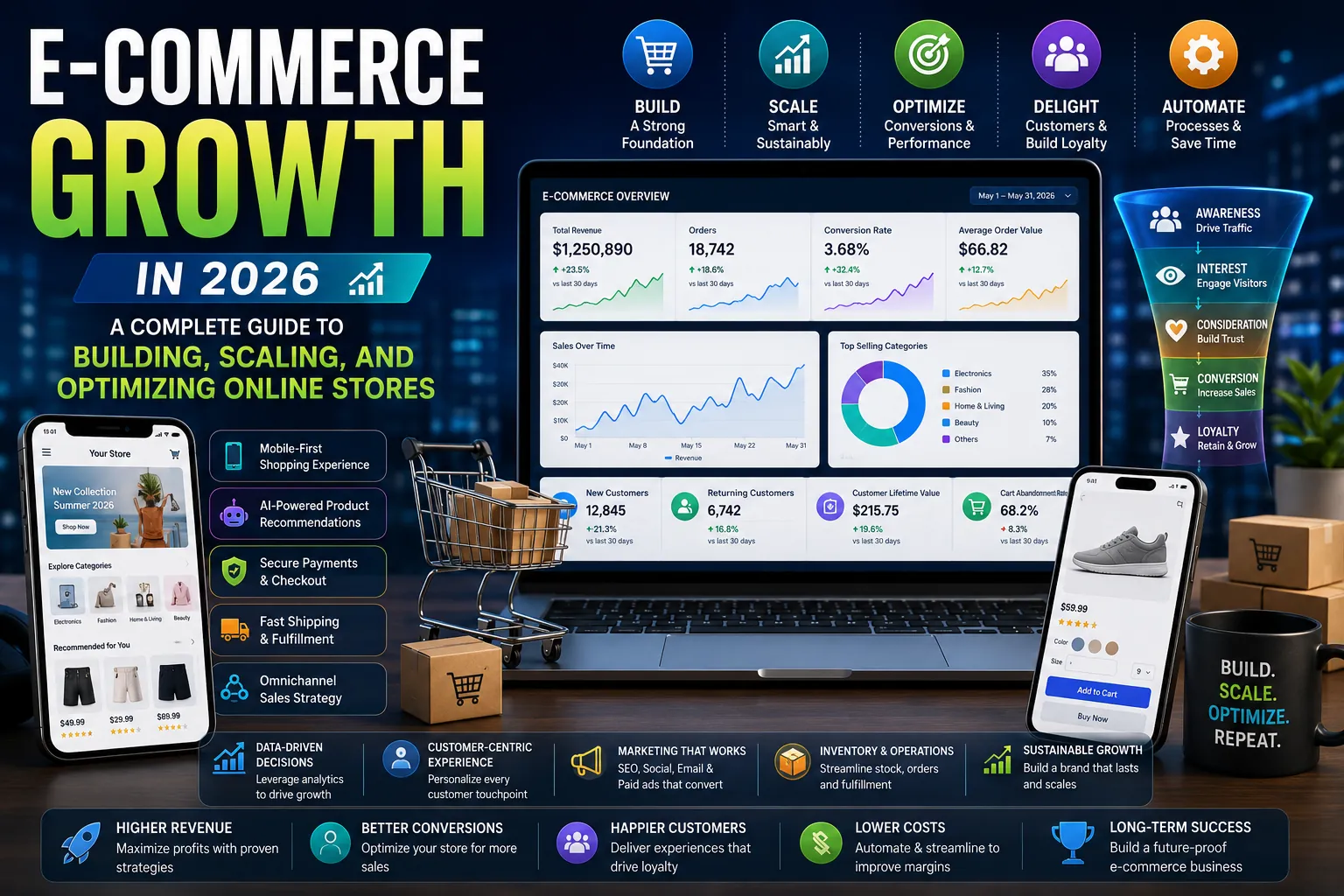
For the complete e-commerce strategy covering platforms, marketing channels, and operations, read our pillar: E-Commerce Growth in 2026: A Complete Guide. More commerce guides live on PostoryCafe.com.