
The first 1,000 readers are the hardest in any blog’s growth. Unlike traffic at scale (which compounds through SEO, social, and backlinks), the first 1,000 readers require intentional, manual effort. Most bloggers fail here not because their content is bad, but because they assume readers will come automatically.
This guide covers the practical tactics that actually build early blog readership in 2026, based on what works rather than what sounds good in theory.
The Reality of Early Blog Growth
New blogs in 2026 face a brutal reality: Google gives little organic traffic to sites under 6 months old. Social media algorithms favor accounts with existing engagement. Nobody shares content from a brand they do not know yet.
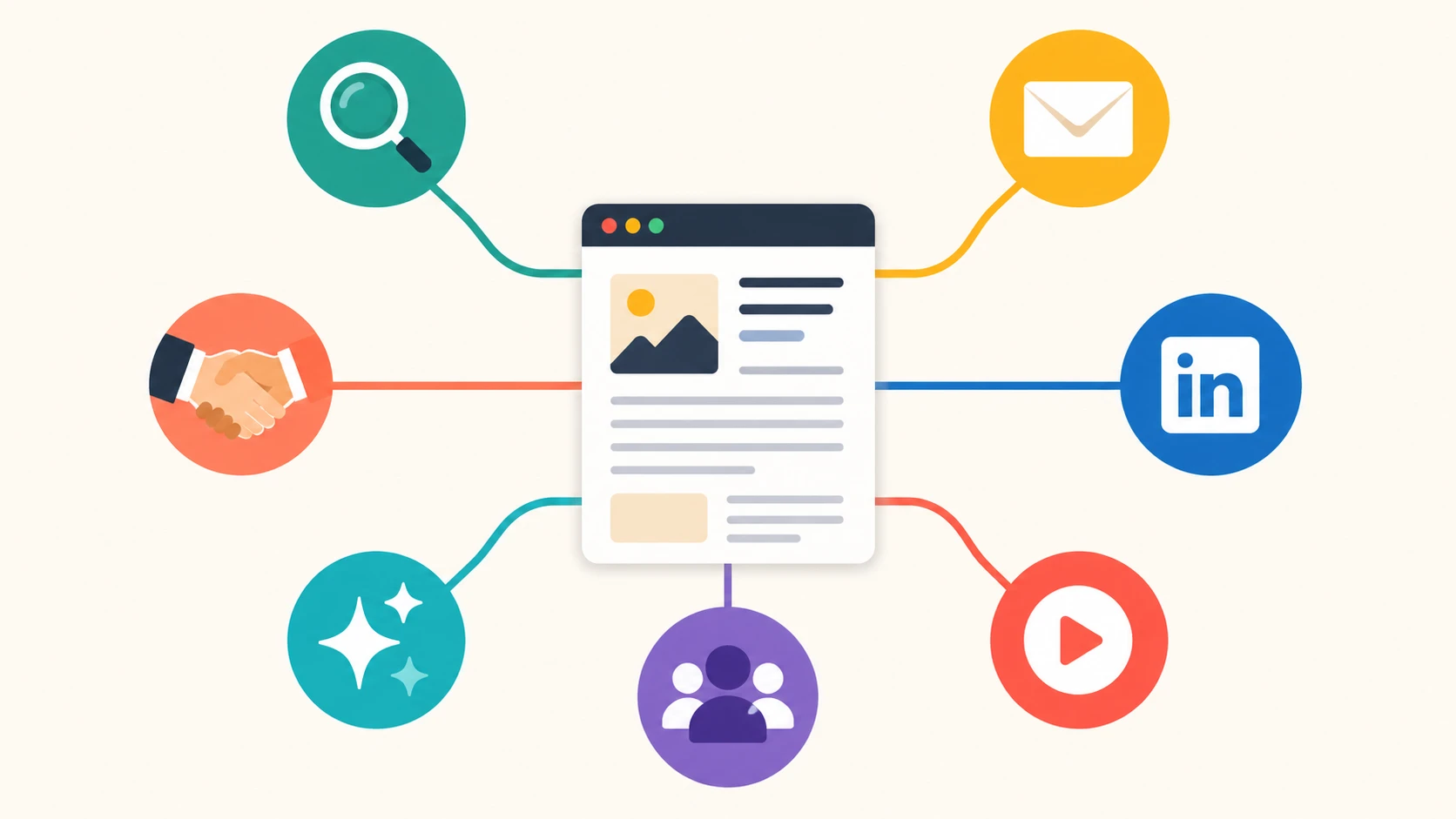
The path to the first 1,000 readers goes around these barriers, not through them. It relies on existing audiences you can borrow, communities you can join, and direct relationships you can build. SEO compounds later. Manual distribution and community get you the first readers.
Tactic 1: Write for Existing Communities First
Before your site has any authority, the fastest path to readers is publishing where audiences already exist: Reddit, Quora, LinkedIn, industry Slack communities, niche forums. Not spam. Not self-promotion. Genuine, high-value contributions that demonstrate expertise and occasionally link to deeper content on your blog.
Identify 3 to 5 communities where your target reader hangs out. Contribute genuinely for 30 days. Become a recognized voice. Then share your best original content when directly relevant to active conversations.
Tactic 2: The 100 Direct Outreach Method
Write 10 of your best posts. Then personally reach out to 100 people who would genuinely benefit from reading them: colleagues, former coworkers, industry contacts, Twitter/LinkedIn connections, podcast hosts who cover your topic. Not a mass blast. Personal notes referencing why the content is specifically relevant to them.
A 10 to 20% response rate produces 10 to 20 engaged early readers who will often share with their networks. Those shares produce the first wave of non-direct traffic.
Tactic 3: Guest Post on Established Sites
Guest posting on established sites in your niche borrows their audience temporarily and permanently adds backlinks that build your domain authority. The mechanics:
- Identify 10 to 20 sites in your niche that accept guest posts and have your target reader as their audience.
- Pitch 3 specific topic ideas per site. Make the pitch specific: “I’d like to write about X because [specific angle that fits their editorial focus].”
- Produce genuinely excellent guest posts. The goal is not the backlink. The goal is readers clicking through to see more of your work.
- Link strategically from the guest post to your best 2 to 3 existing posts on related topics.
Tactic 4: Start an Email List From Day One
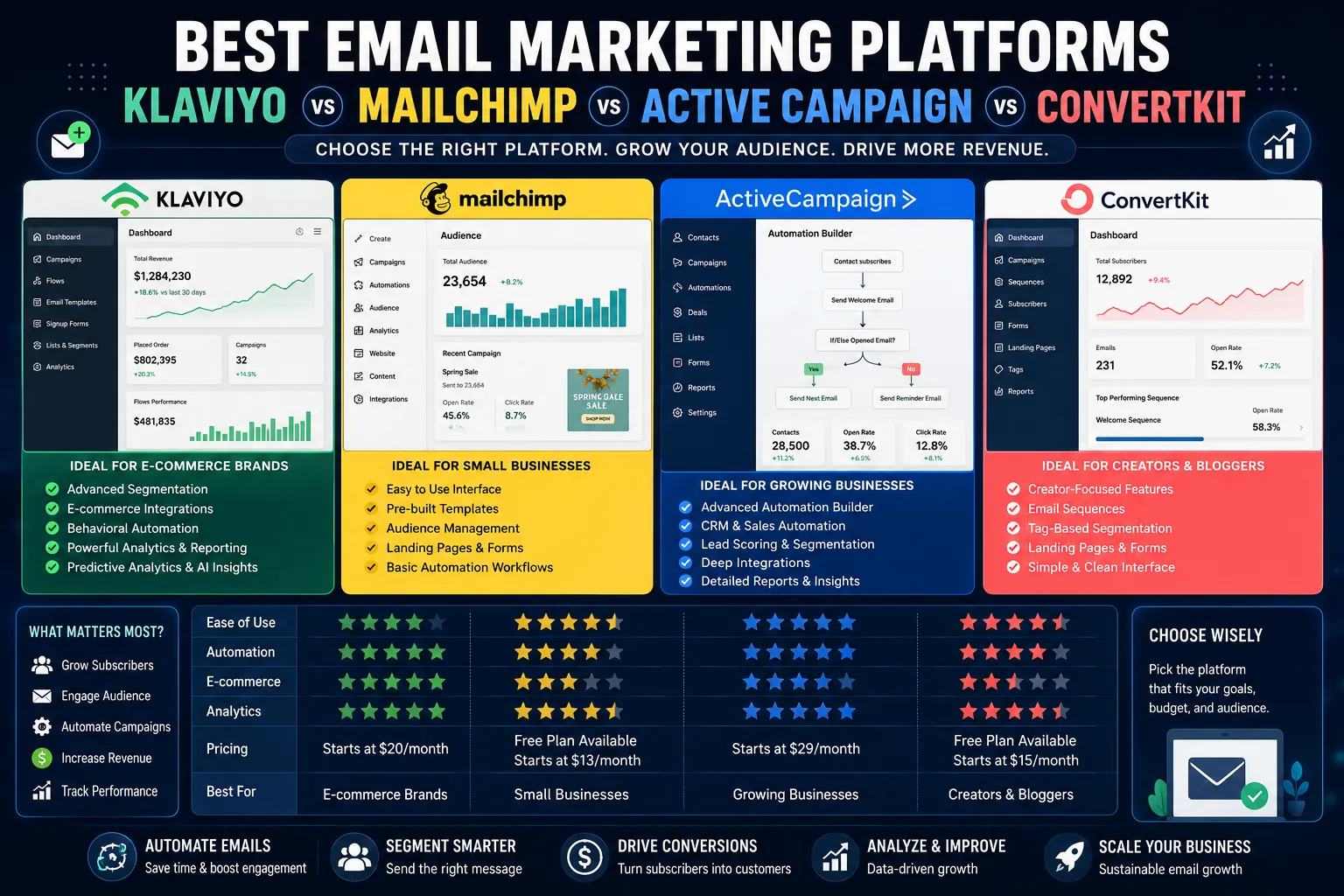
Email is the most valuable asset most bloggers wait too long to build. Set up a simple email capture on your blog before you publish your first post. ConvertKit, Beehiiv, and MailerLite all have free plans that cover early-stage needs.
The value is asymmetric: a reader who joins your email list is 10 to 20x more likely to read your next post than a reader who merely visited once. Every 100 email subscribers produces more consistent readership than 1,000 one-time visitors.
Incentivize email signups with something specific: a resource, a checklist, an exclusive piece of content. “Join my list” converts poorly. “Get the exact template I used to land my first B2B client” converts well.
Tactic 5: Build in Public on Social Media
Building in public means sharing your journey, insights, and learnings as you create content. On LinkedIn and Twitter/X, share one insight per day from your research process. Credit the sources. Ask questions. Engage with replies.
Building in public creates an audience for your process before the final product is ready, converts social followers into blog readers, and generates topic ideas from the questions people ask in reply.
Tactic 6: SEO From the Start, Results in 6 to 12 Months
SEO will not produce the first 1,000 readers in month 1. But it starts compounding the moment you publish. Every post with a clear target keyword, proper structure, and internal linking is a seed. By month 6 to 12, early SEO investments begin producing consistent traffic.
Priorities for new blogs:
- Target low-competition keywords (under KD 20 in Ahrefs). New sites cannot compete on head terms.
- Answer specific questions in the title and H2 structure. These surface in People Also Ask and AI search summaries.
- Build internal links from every new post to related older posts.
- Submit your sitemap to Google Search Console the day you launch.
The First 1,000 Readers Timeline
| Month | Target | Primary Channel |
|---|---|---|
| Month 1 | 50 to 100 readers | Direct outreach, community participation |
| Month 2 to 3 | 200 to 300 readers | Guest posts, Reddit/community, email list growth |
| Month 4 to 6 | 500 to 700 readers | Email list, early SEO traffic, social audience building |
| Month 7 to 9 | 1,000+ readers | SEO compounding, email, social shares of good content |
| Month 10 to 12 | 2,000 to 5,000 readers | Multiple channels compounding together |
Reaching 1,000 readers in 6 to 9 months is realistic with consistent effort. Reaching it in 3 months requires either significant existing social audience, paid distribution, or extraordinary content that gets shared broadly.
5 Common Early Blog Growth Mistakes
- Publishing without promoting. Great content does not find readers automatically in 2026. Promotion is required.
- Targeting competitive keywords too early. Head terms dominated by established sites produce zero early traffic.
- Posting inconsistently. One brilliant post per month produces much less than two solid posts per month published consistently.
- Ignoring email collection. The first 1,000 email subscribers matter more than the first 10,000 social followers for sustainable readership.
- Writing for everyone. The most successful early-stage blogs address one specific type of reader. “Marketing tips” is for everyone and resonates with nobody.
Expert Tips
- Create a distribution checklist. For every post, run through the same 8 to 10 distribution actions: share in 3 communities, email the list, post to LinkedIn, reach out to 3 people who would specifically benefit.
- Repurpose every major post. Turn it into a LinkedIn thread, a Twitter/X thread, a short video, and an email. The original post becomes the backbone for 4 to 5 additional distribution pieces.
- Study your best-performing posts. After 3 months, your data will show which topics, formats, and headlines attracted the most readers. Double down on what worked.
- Interview people in your community. Interviews attract the interviewee’s audience when they share the published piece. A strong interview tactic for early blogs.
Frequently Asked Questions
How long does it take to get 1,000 blog readers?
6 to 12 months with consistent effort and deliberate distribution. Faster is possible with a large existing social audience to seed the blog. Slower is common without consistent promotion or with highly competitive topics. Most successful blogs reached 1,000 regular readers in year one.
Should I post daily to grow faster?
Quality beats quantity decisively. One excellent, well-promoted post per week outperforms seven thin posts published daily. Early readers form opinions about your blog from the first few posts they see. Make those first impressions count.
Do I need social media to build a blog?
For the first 1,000 readers, social media participation is important because SEO has not yet compounded. After 12 to 18 months, blogs with strong SEO can grow primarily from search with minimal social. Short answer: yes for the first year, then depends on your niche.
The First 1,000 Readers Are the Foundation
The first 1,000 blog readers are the foundation of everything that follows. They become your first email subscribers, your early social sharers, the people who generate the first comments and testimonials that social-proof future growth. Reaching 1,000 requires manual, deliberate effort. What comes after compounds.
For the complete guide to building a profitable blog from scratch, read our pillar: How to Start a Profitable Blog in 2026. More blogging guides live on PostoryCafe.com.