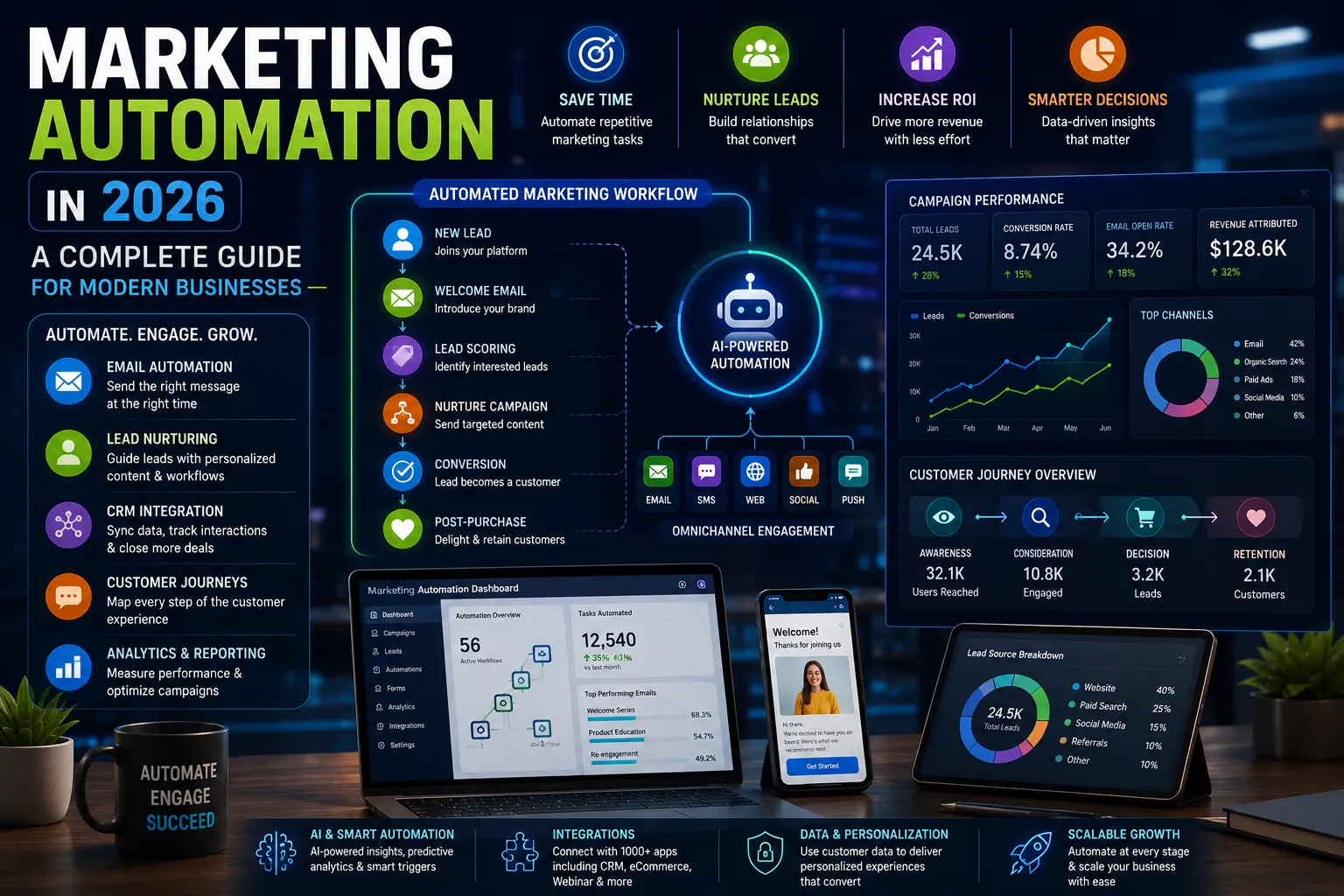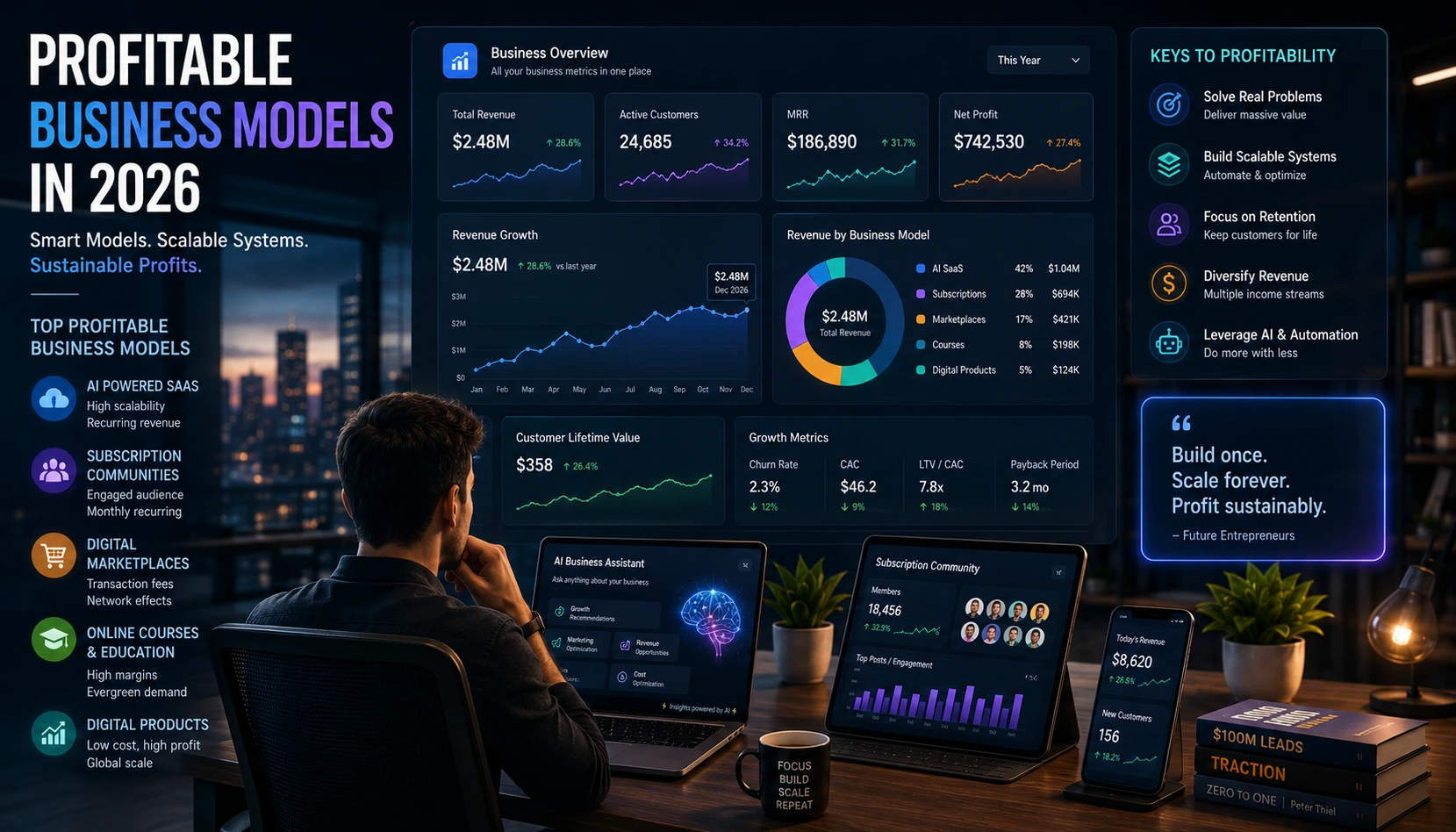
Here is a brutal truth about content marketing in 2026: the best blog post in the world is worthless if nobody reads it. Publishing content is only half the job. Distribution is the half most teams neglect, and it is the half that decides whether your work drives traffic, leads, and revenue.
The content distribution playbook has shifted significantly. Social algorithms throttle organic reach harder than ever. Search competition has intensified. Email remains a gold mine, but inbox fatigue is real. AI search engines are becoming traffic sources in their own right.
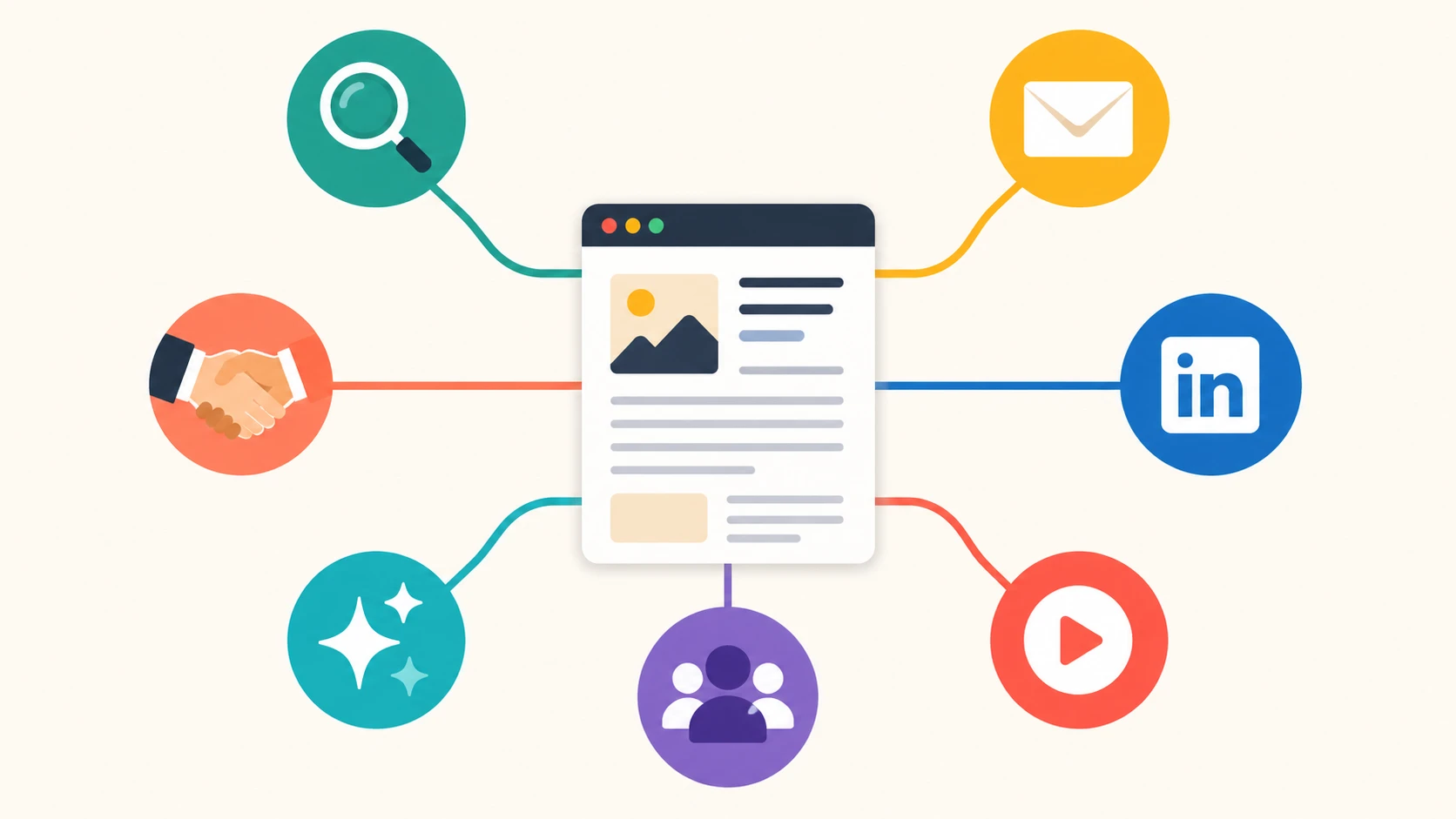
This guide covers the seven content distribution channels that reliably drive traffic in 2026, with specific tactics that work today. No fluffy “engage your audience” advice. Concrete playbooks you can run this week.
Why Content Distribution Matters More Than Ever
The content marketing equation used to be simple: publish consistently, wait for SEO, collect traffic. That still works in some niches, but for most businesses, it takes too long and the returns are diminishing.
In 2026, the teams winning at content marketing spend roughly 20% of their time on creation and 80% on distribution and promotion. Flipping that ratio is the single biggest unlock available to content teams right now.
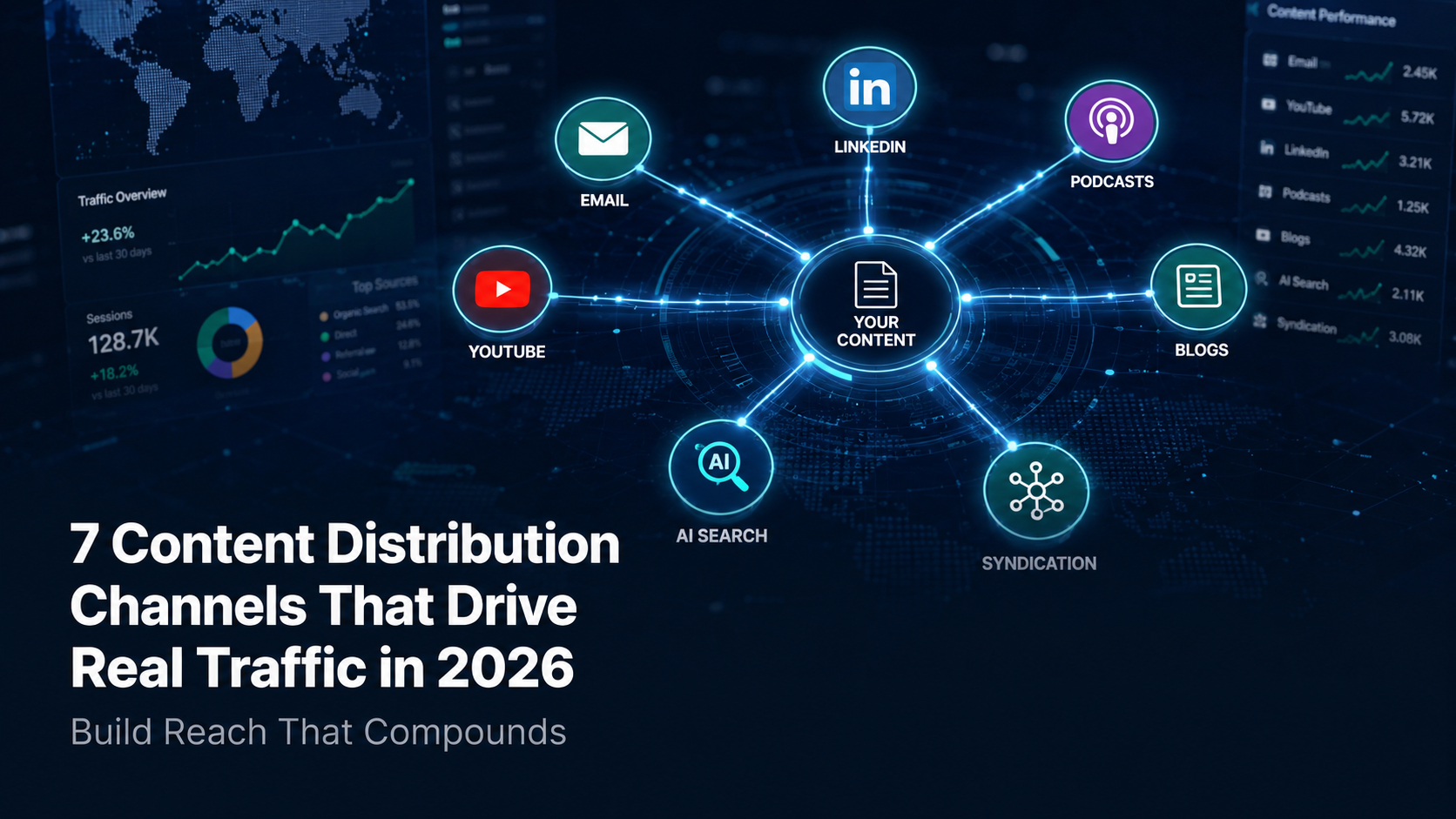
Here are the seven channels that consistently deliver, ranked by the return they produce for most businesses in 2026.
1. Organic Search (SEO): Still the Slowest and Biggest Lever
Search remains the largest traffic source for most content sites. Google still drives over 60% of web traffic to business blogs in 2026, even with the rise of AI search tools.
What Works in 2026
- Topical authority over keyword stuffing. Google rewards sites that cover a topic completely. Build pillar-and-cluster content that signals deep expertise in your niche.
- E-E-A-T signals. First-hand experience, named authors with credentials, case studies, and real data outrank anonymous content farms.
- Search intent matching. Every post should match what users actually want when they search the target keyword. Analyze the top 5 ranking pages before writing and deliver the same intent better.
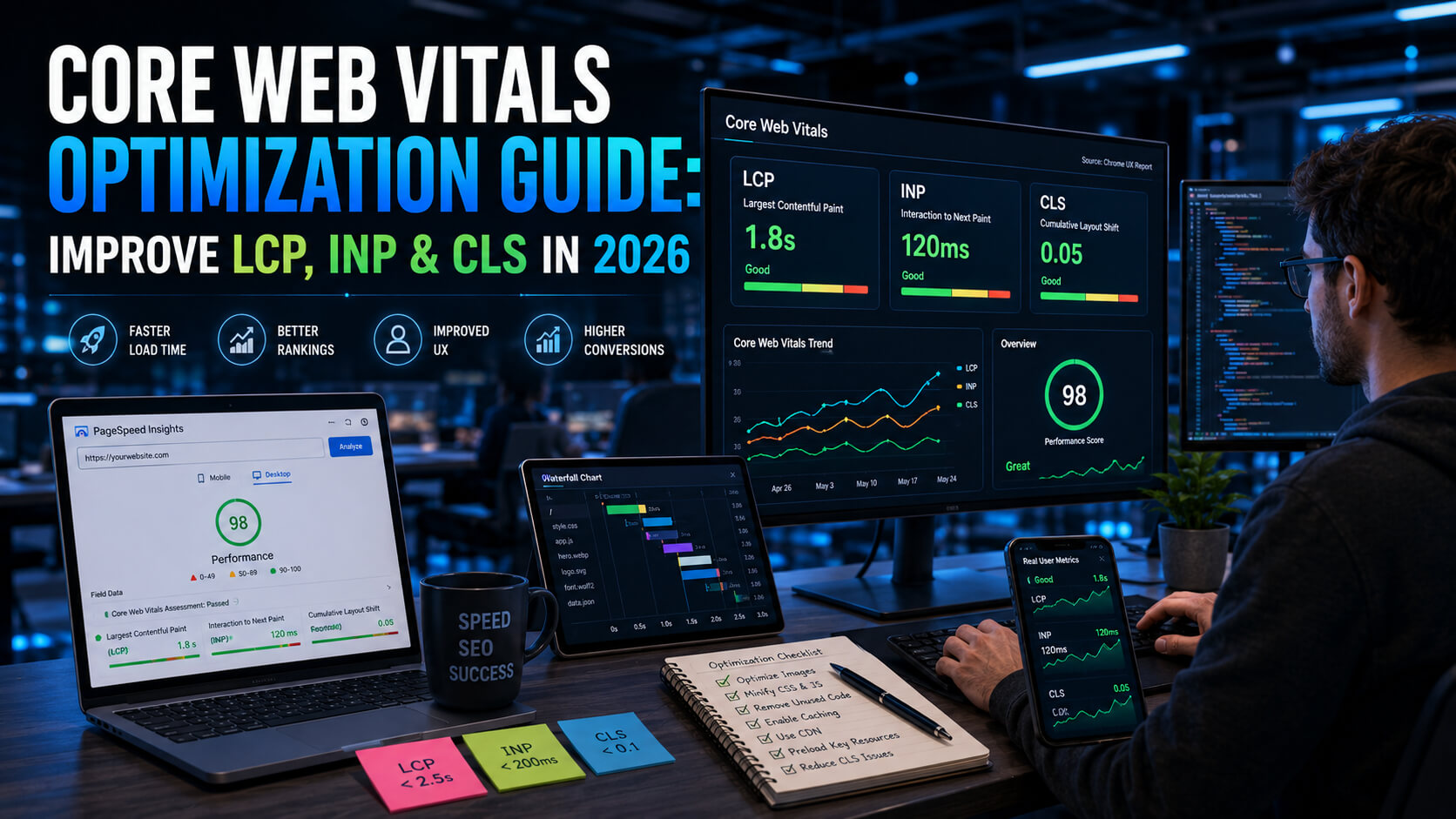
- Fast, mobile-first pages. Sites that pass Core Web Vitals enjoy a measurable ranking boost.
Honest expectation-setting: SEO takes six to twelve months to produce meaningful traffic from new content. It is the slowest channel to show results but delivers the longest-lasting returns once it works.
2. Email Newsletters: The Most Valuable Channel Teams Underuse
Email subscribers are yours. No algorithm decides whether they see your content. No platform can throttle your reach or change the rules overnight. For most content businesses, the email list is the single most valuable asset.
What Works in 2026
- Lead magnets that deliver real value. Offer a genuinely useful resource (a checklist, template, tool, or guide) as the sign-up incentive. Generic “subscribe to our newsletter” forms convert at under 1%.
- Consistent publishing cadence. Weekly or biweekly beats daily for most B2B and B2C content businesses. Readers who expect your emails open them.
- Personality and voice. Newsletters that sound like a real person writing to a friend outperform corporate broadcasts every time.
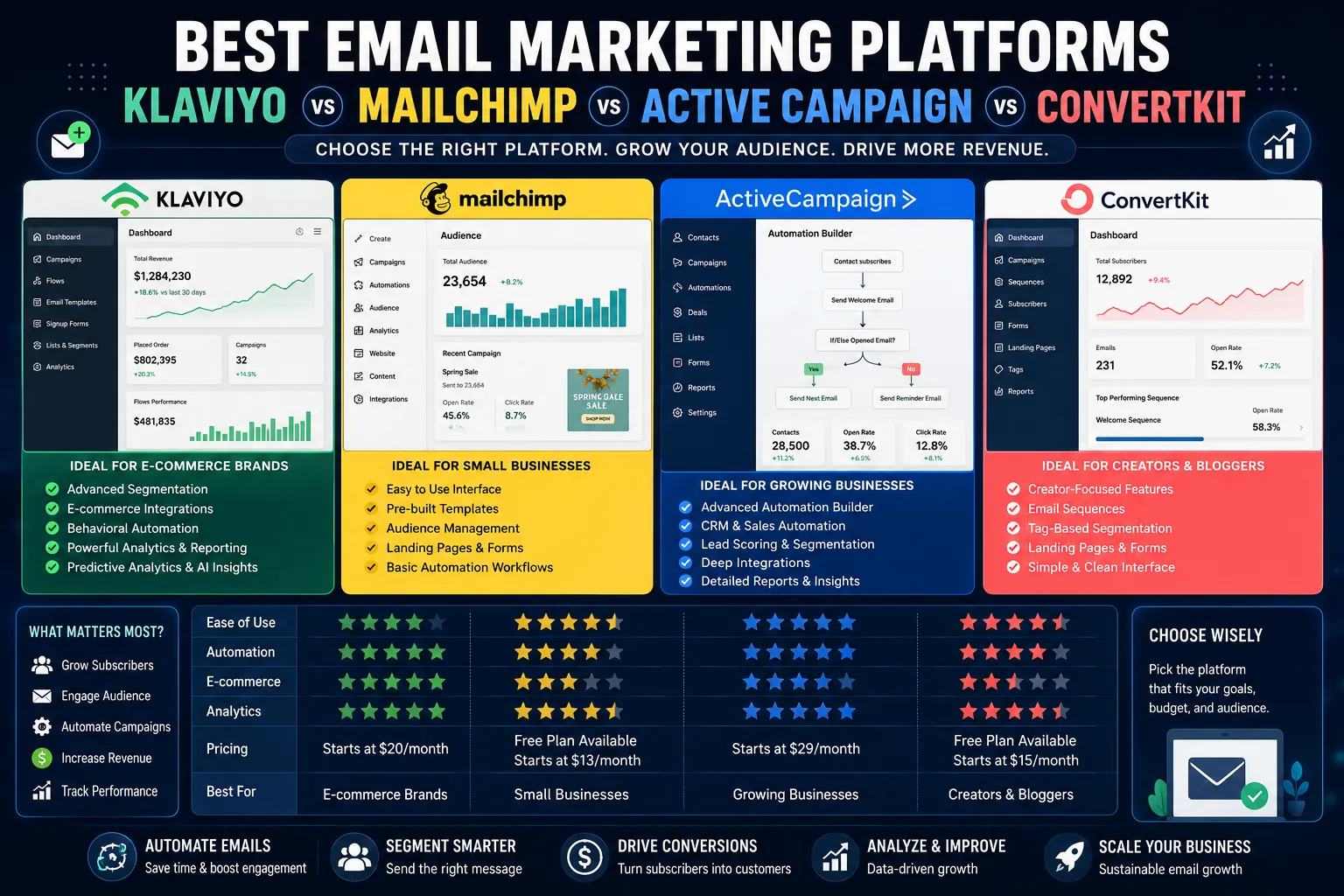
- Segmentation by interest and funnel stage. Sending everyone the same email wastes your best content. Tools like Beehiiv, ConvertKit, and Mailchimp let you tag subscribers and deliver different content to each segment.
Substack, Beehiiv, and Ghost have made it easier than ever to start paid newsletters in 2026. Even free newsletters are powerful traffic drivers when readers forward your posts.
3. LinkedIn: The Dominant B2B Channel
LinkedIn is the single most valuable social platform for B2B content marketers in 2026. Organic reach on LinkedIn still works when other platforms have collapsed into pay-to-play. Decision-makers, founders, and professionals actively read long-form posts there.
What Works in 2026
- Native posts, not links. LinkedIn’s algorithm punishes posts with external links. Write the full idea in the post, then reference your article in a comment or in a follow-up post a day later.
- Strong first two lines. Only the first two lines appear before “see more.” Hook the reader immediately or they scroll past.
- Personal accounts outperform company pages. Posts from founders, employees, and thought leaders reach 5 to 10 times more people than company page posts.
- Carousels and document posts. PDF carousels convert well because they keep users on the platform and generate high dwell time, which the algorithm rewards.
- Engagement in the first hour. Respond to every comment in the first 60 minutes after posting. LinkedIn uses early engagement to decide whether to keep distributing your post.
4. YouTube and Short-Form Video: Long-Lived Traffic Compounding Fast
Video content earns a disproportionate share of attention in 2026. YouTube drives search traffic for years after publication. Short-form video on TikTok, Instagram Reels, and YouTube Shorts delivers explosive reach when a post hits.
What Works in 2026
- Educational content over entertainment (for most brands). How-to videos, deep dives, and tutorials drive both immediate views and durable search traffic.
- Strong titles and thumbnails. YouTube is ruthless about click-through rate. A great video with a weak title and thumbnail never gets seen.
- Repurpose long videos into short clips. One 10-minute YouTube video can become 15 short clips for TikTok, Reels, and YouTube Shorts.
- Consistent publishing. YouTube rewards channels that publish on a predictable schedule. Even one video per week beats sporadic uploads.
Starting on YouTube is more work than starting on social platforms, but the traffic half-life is longer. Videos that ranked years ago still drive meaningful views today.
5. Community and Forum Distribution
Reddit, Hacker News, specialized Slack groups, Discord servers, and Facebook Groups all host engaged communities relevant to almost every niche. Done well, community distribution drives highly qualified traffic.
What Works in 2026
- Become a valuable community member first. Communities spot self-promotion instantly. Contribute helpful answers for weeks or months before sharing your own content.
- Share content where it genuinely helps. If your post answers a question someone actually asked, sharing it is welcome. If it just promotes your business, it gets flagged.
- Go where your audience already is. B2B SaaS founders are on Indie Hackers and Hacker News. Home cooks are in Facebook Groups. Gamers are on Discord. Map your audience to their communities before you start posting.
- Be transparent about your role. Lead with a disclosure (“I wrote this, hope it helps”). Communities forgive self-promotion when it is honest and helpful.
6. AI Search and Answer Engines
This is the newest meaningful distribution channel. AI search tools like ChatGPT Search, Perplexity, Google AI Overviews, and Claude Web Search now surface content to millions of users who never visit a traditional search engine.
What Works in 2026
- Structure content for extractability. AI search tools favor content with clear headings, direct answers to specific questions, data-backed claims, and cited sources.
- Focus on unique expertise and data. Generic content gets summarized without attribution. Original research, proprietary data, and first-hand experience get cited as the source.
- Include strong FAQ sections. AI tools frequently pull from well-organized FAQ content when answering user questions.
- Implement schema markup. FAQPage, Article, and HowTo schema help AI models understand and cite your content correctly.
Tracking AI-driven traffic is still imperfect. Most analytics tools now attempt to identify AI referrer traffic, but the category is new. What is clear is that AI search is already driving meaningful traffic for brands that structure content well.
7. Guest Posts, Partnerships, and Content Collaborations
Publishing on platforms your audience already reads (industry blogs, partner newsletters, podcasts) extends your reach immediately. It also builds backlinks that improve your SEO long-term.
What Works in 2026
- Target quality, not quantity. One guest post on a respected industry blog beats 20 posts on low-quality sites. Focus on publications your target audience actually reads.
- Lead with a genuinely useful pitch. Study the publication’s recent content and propose a specific topic that fills a gap. Generic “I would love to write for you” pitches get ignored.
- Repurpose your best content. Take your top-performing blog posts, adapt them for the new audience, and pitch them as guest contributions.
- Podcast guest appearances. Being a podcast guest in your niche delivers dense, targeted attention that blog posts cannot match. Start with podcasts that your customers already listen to.
The 7 Channels at a Glance
| Channel | Time to First Results | Traffic Type | Best For |
|---|---|---|---|
| Organic Search (SEO) | 6 to 12 months | High intent, compounds over years | Long-term authority and durable traffic |
| Email Newsletters | 1 to 3 months | Warmest traffic, high conversion | Direct reader relationships and monetization |
| 1 to 3 months | B2B decision-makers | B2B brands, founders, thought leaders | |
| YouTube / Short-form video | 3 to 9 months | Durable search + viral potential | Educational brands, creators |
| Community / Forums | Immediate when done right | Highly qualified niche audiences | Niche B2B and B2C products |
| AI Search / Answer Engines | 1 to 6 months | Emerging, growing fast | Content with strong structure and expertise |
| Guest Posts / Partnerships | 1 to 6 months | Borrowed audience + backlinks | Established brands seeking reach |
How to Build a Realistic Distribution Plan
Most small teams cannot run all seven channels well. The winning move is to pick two or three channels, run them with discipline for 90 days, and expand only after you see results.
A Starter Distribution Stack
- One long-term channel: SEO or YouTube. Both compound over years.
- One short-term amplifier: LinkedIn (B2B), Reddit/Community (consumer), or short-form video.
- One retention channel: Email newsletter. Every reader you earn through other channels should become an email subscriber.
For every piece of content you publish, set a distribution plan before you hit publish. List exactly where, when, and how you will promote it. Content without a distribution plan fails reliably.
6 Common Content Distribution Mistakes
- Publish and forget. Posting content and moving to the next piece is the most common mistake. A single published post deserves at least 10 distribution actions over the following 30 days.
- Copy-pasting identical content across channels. What works on LinkedIn fails on Reddit. Adapt the format, hook, and length for each platform.
- Over-investing in channels where the audience is not present. If your customers live on LinkedIn, posting daily on TikTok wastes effort no matter how good your videos are.
- Treating distribution as one-time. Your best content should be republished, repurposed, and resurfaced every few months. Content has a long shelf life if you maintain it.
- Relying entirely on paid distribution. Paid ads are a useful amplifier but a poor foundation. Build organic distribution first so paid spend multiplies existing momentum.
- Not tracking what actually drives traffic. Attribution matters. Use UTM tags on every distribution link and review monthly to see which channels actually deliver.
Expert Tips for Compounding Distribution
- Build your distribution list before your first post. Email subscribers, social connections, and community relationships take months to build. Start before you need them.
- Use the 1:5 rule. For every hour spent creating content, spend five hours distributing it. Most teams do the opposite, wondering why nobody reads their work.
- Batch your distribution work. Write a week of LinkedIn posts on Monday. Schedule your newsletter on Tuesday. Batching saves hours compared to context-switching every day.
- Turn one post into ten. A comprehensive blog post becomes a newsletter, a LinkedIn carousel, three short clips, a podcast episode outline, and a pitch for a guest post. Multiply the work you already did.
- Invest in relationships, not just tactics. The highest-ROI distribution often comes from other creators in your space. Build real relationships before you need favors.
Frequently Asked Questions
What is the best content distribution channel in 2026?
There is no universal best channel. For B2B brands, LinkedIn and email typically deliver the highest quality traffic. For consumer brands, YouTube, short-form video, and community platforms often work better. For SEO-friendly niches, organic search remains the largest long-term traffic source. The best channel for your business depends on where your target audience actually spends time and how well you can produce content for that channel.
How do I get traffic to my blog if I am just starting?
Combine three channels from the start: one long-term (SEO or YouTube), one short-term amplifier (LinkedIn or community posting), and one retention channel (email list building). Publish strong content, distribute it deliberately across all three for 90 days, and measure which delivers. For most new content businesses, meaningful traffic begins between months three and six when multiple channels start compounding together.
How often should I promote the same blog post?
At a minimum of 10 distribution actions in the first 30 days after publishing. Promote again two months later with a different angle. Major evergreen posts should be re-shared every three to four months for the first year and at least once per year after that. Repurpose into different formats regularly. Your best content should never be a one-time publish.
Does paid distribution still work in 2026?
Paid distribution works well as an amplifier for content that already shows organic traction. Boosting a LinkedIn post that performed well organically, running ads to a blog post that is converting email signups, or sponsoring a newsletter issue with an engaged audience can all deliver strong returns. Paid ads rarely save mediocre content, but they multiply the reach of genuinely good content significantly.
Should I focus on SEO or social media for content distribution?
Both, but not at the same time. Most small teams cannot do both channels well simultaneously. Pick the one that better matches your audience, your team’s skills, and your timeline to results. SEO compounds longer but takes months. Social delivers faster but requires constant output. Start with one, prove it works, then add the second.
Distribution Is Where Content Marketing Is Won
Every team creating content has the same opportunity. The difference between teams that build massive audiences and teams that publish into the void is distribution discipline.
Pick two or three channels that match your audience. Commit to them for 90 days. Distribute every post deliberately. Measure what works and double down on it. Do this for a year and you will build something most content teams never do: a reliable, compounding traffic machine.
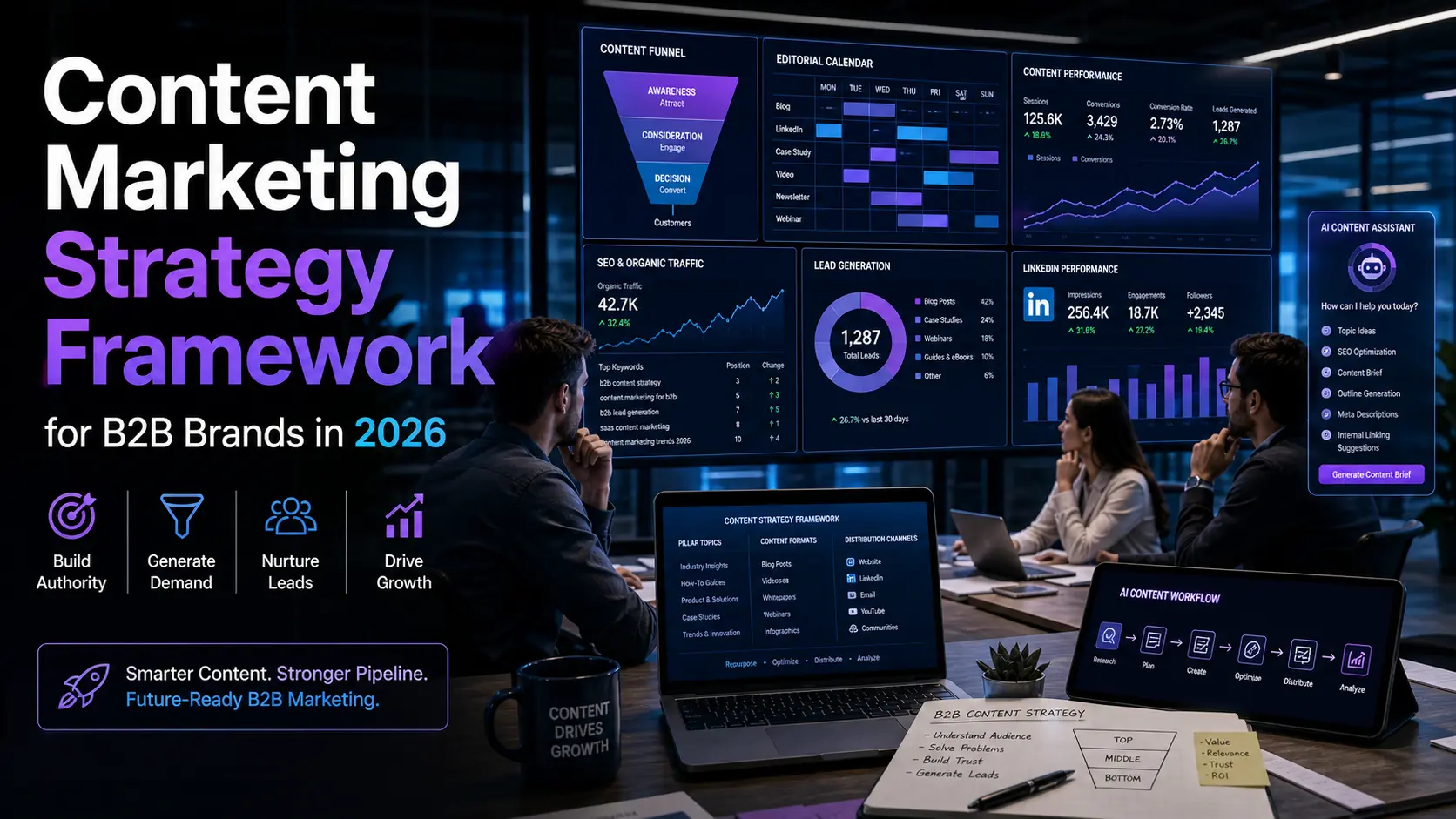
For the complete content strategy framework, including audience research, content pillars, and measurement, read our pillar: Content Marketing Strategy Framework for B2B Brands in 2026. More practical content and distribution playbooks are live on PostoryCafe.com.