Canva was started by Melanie Perkins with a small amount of seed capital and a PDF yearbook tool before growing to a 26 billion US dollar valuation. Basecamp, the project management software used by more than 100,000 businesses, was bootstrapped without venture capital for its first decade. Fiverr’s marketplace model allowed hundreds of thousands of freelancers globally to generate their first business revenue with zero startup cost. The pattern across these businesses is not luck but a deliberate sequence: start with a service that requires skill rather than inventory, generate revenue before building infrastructure, and reinvest selectively.
Starting a business with no money in 2026 is more feasible than at any previous point because the cost of the enabling infrastructure, from payment processing to client management to marketing, has collapsed toward zero. This guide covers the specific steps, tools, and realistic timelines for building a first business with no startup capital, regardless of background or geography.
Step 1: Choose a Business Model That Requires Skill, Not Capital
The clearest path to a zero-capital business start is a service business where your skill is the product. Freelance writing, graphic design, web development, social media management, video editing, bookkeeping, and tutoring all require no physical inventory, no lease, and no equipment beyond a computer and internet connection most people already own. The Global Freelancer Report 2025 by Payoneer found that 78 percent of new freelancers globally generated their first paying client within 30 days of starting to market their services.
Digital product businesses are the second most accessible zero-capital model. An ebook, online course, Notion template, or Canva template pack requires time to create but zero cost to distribute. Gumroad, a platform for selling digital products, reports that its top creators in 2025 earned an average of $4,200 per month with no paid advertising, relying entirely on organic social media and search traffic to their product pages.
Dropshipping and print-on-demand models technically require no upfront inventory cost, but they carry thin margins (typically 15 to 30 percent) and require marketing spend to drive traffic. They are viable but less recommended as a true zero-capital start because achieving profitability without some marketing budget is significantly harder than it is in service businesses.
Step 2: Validate Before You Build
The single most common mistake among first-time founders with limited capital is building a product or service in isolation and attempting to sell it after it is complete. Validation means confirming that people will pay for your offer before you invest time in delivering it. The fastest validation method is a direct conversation: describe your service to 10 people who match your intended customer profile and ask if they would pay the price you intend to charge. If three or more say yes, that is meaningful early signal.
An even more powerful validation step is to collect a deposit or full payment before delivering the first unit of service. If someone pays you 50 percent upfront for a service you have not yet delivered, you have validated the offer. This pre-sales approach is standard practice in the SaaS world (Stripe processed over 800 billion US dollars in pre-launch payments for early-stage companies in 2025) and works equally well for individual service businesses.
Step 3: Use Free Tools to Run Your Business From Day One
| Function | Free Tool | What It Does |
| Website | Carrd or Google Sites | Professional one-page business site in 30 minutes |
| Payments | Stripe or Razorpay (India) | Accept cards and UPI with no monthly fee |
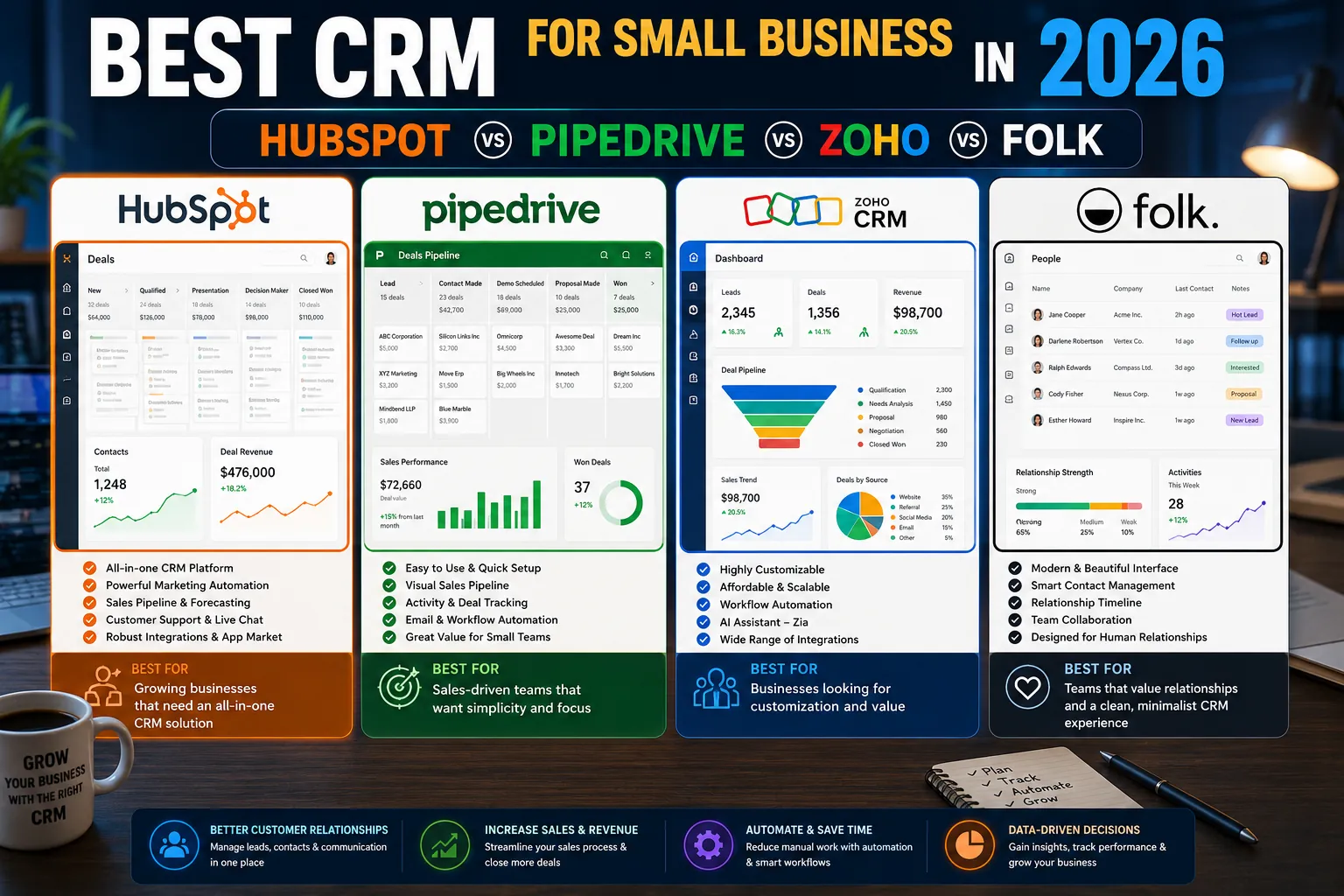
| Client management | HubSpot CRM Free | Track leads, follow-ups, and deals |
| Contracts | HelloSign (free tier) | Legally binding digital signatures |
| Invoicing | Wave Accounting | Free invoicing and basic bookkeeping |
| Communication | Google Workspace Free | Email, calendar, and video calls |
| Portfolio | Behance or GitHub | Showcase work samples to clients |
| Project management | Notion (free) | Manage client projects and deliverables |
These eight tools collectively replace what used to require thousands of dollars per year in software subscriptions. Stripe and Razorpay charge a percentage per transaction (1.4 to 2.9 percent) with no monthly fee, meaning you pay only when you earn. This model is designed specifically for businesses in early stages where recurring fixed costs are the most dangerous threat to survival.
Step 4: Get Your First Three Clients
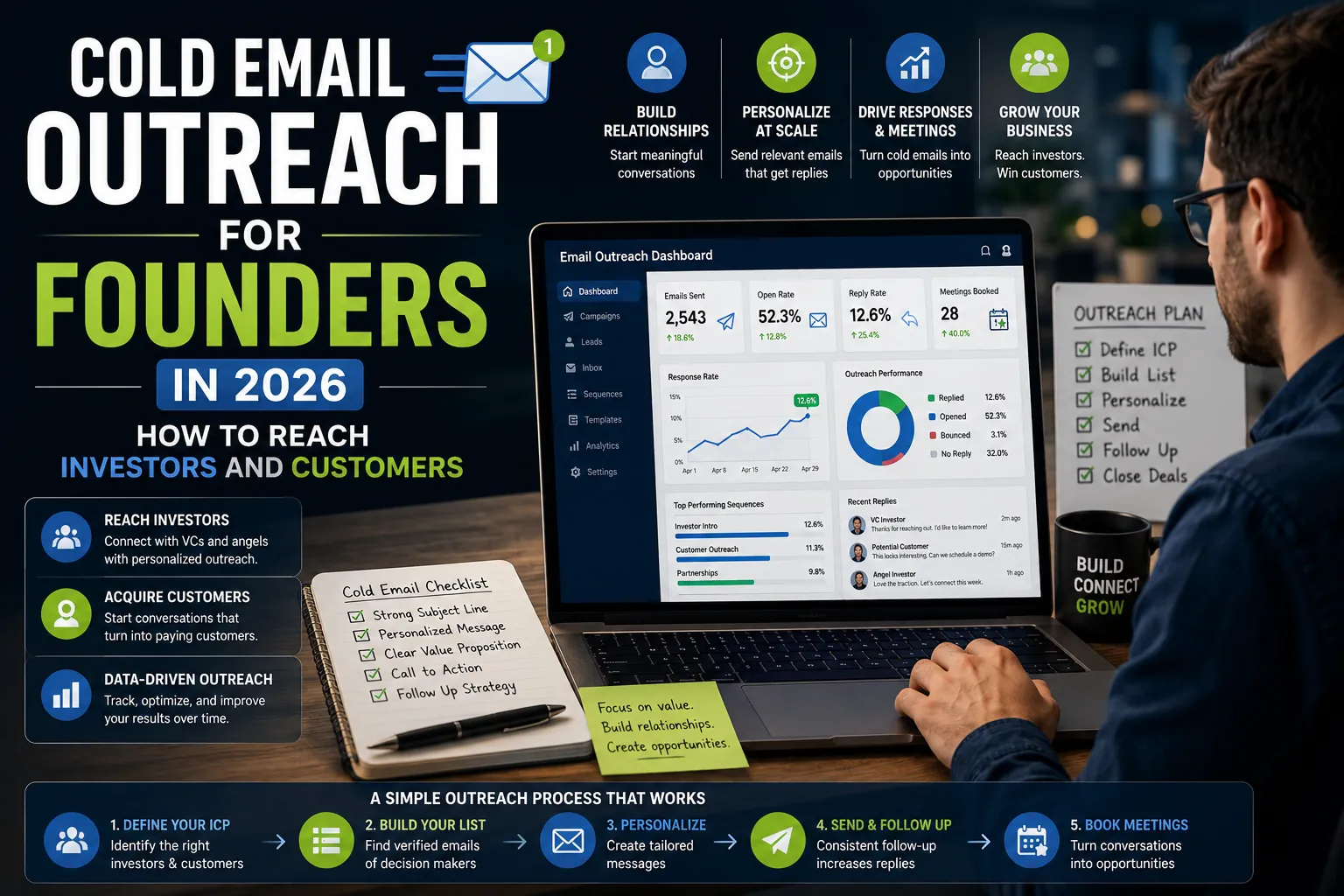
The first client almost never comes from a website or a Google search. It comes from your existing network. LinkedIn is the most effective platform for B2B service businesses: a targeted message to 50 former colleagues, classmates, or professional contacts describing what you now offer costs nothing and regularly converts at two to five percent, meaning one to three conversations from 50 outreach messages. At the service quality that a motivated new business owner delivers, one conversation in three typically converts to a paid engagement.
Freelance platforms including Upwork, Toptal, Fiverr, and PeoplePerHour allow you to begin accepting paid work within 24 to 48 hours of creating a profile. The tradeoff is platform fees (10 to 20 percent) and initial competition from established providers. Competing on price alone is a losing strategy; competing on specificity works better. A profile that says ‘Email marketing copywriter for SaaS companies in fintech’ outperforms ‘copywriter’ because the specificity signals expertise and reduces comparison shopping by clients in that niche.
Step 5: Reinvest the First Revenue Selectively
First revenue in a zero-capital business should be allocated to the tools and improvements with the clearest measurable return. A professional email domain ($12 per year via Google Workspace) increases trust in client communications. A mid-level Canva Pro subscription ($15 per month) meaningfully improves the quality of deliverables for design-adjacent services. A LinkedIn Premium subscription ($39.99 per month) pays back quickly if it accelerates even one additional client conversion per month.
Avoid the trap of spending first revenue on branding, logos, and website redesigns before you have validated your pricing and client retention rate. Dozens of studies of early-stage businesses, including a 2024 Kauffman Foundation report on solo founders, demonstrate that premature brand investment is the most common form of capital misallocation in the first six months of a new business.
Frequently Asked Questions: Starting a Business With No Money in 2026
What business can I start with no money in 2026?
The most accessible zero-capital businesses in 2026 are service businesses including freelance writing, graphic design, social media management, web development, bookkeeping, and online tutoring. These require no inventory, no physical location, and no equipment beyond a computer and internet connection. Digital products including ebooks, templates, and online courses are the next most accessible model. All generate revenue before requiring significant reinvestment.
How long does it take to make money from a zero-capital business?
Most service businesses generate their first paid client within 30 to 60 days when the founder actively markets through existing networks and freelance platforms. The Payoneer Global Freelancer Report 2025 found that 78 percent of new freelancers earned within their first month. Digital product businesses take longer, typically 60 to 120 days, because they depend on organic traffic growth rather than direct outreach to generate their first sales.
Do I need to register a business before making money in 2026?
Most jurisdictions allow individuals to earn freelance income under their personal name before formal business registration. In India, sole proprietors can operate and receive GST-exempt income below 20 lakh rupees per year without formal registration. In the United States, sole proprietors report income on their personal tax return. Registration becomes important once you need to open a business bank account, sign contracts as an entity, or scale past the tax threshold in your jurisdiction.
What are the biggest mistakes people make when starting a business with no money?
The most common mistakes are building a product before validating that anyone will pay for it, spending first revenue on branding instead of tools that accelerate revenue, and trying to serve too broad an audience. Businesses that survive their first year almost universally started with a very specific offer for a very specific customer type, rather than a general-purpose service. A narrowly defined niche generates more referrals and word-of-mouth than a broad positioning.
Is it possible to start a business in India with zero investment in 2026?
Starting a business in India with zero investment is viable for service-based models in 2026. Platforms like Upwork, Fiverr, and Toptal accept Indian freelancers and pay via Payoneer, Wise, or direct bank transfer. Payment collection from Indian clients is handled by Razorpay at zero monthly cost. The Indian government’s Udyam registration (MSME registration) is free online and provides access to subsidised loans and government contracts once the business generates revenue.
What free tools do I need to start a business in 2026?
The minimum toolkit for a zero-capital business in 2026 is a Carrd or Google Sites website, a Stripe or Razorpay account for payments, Wave Accounting for invoices, HubSpot CRM Free for tracking clients, and a Gmail or Google Workspace account for professional communication. These five tools together replace approximately 4,000 to 6,000 rupees per month in paid software and are sufficient to run a professional service business through the first year of operation.
Revenue Before Infrastructure, Always
The most powerful mindset shift for starting a business with no money is to treat revenue as the prerequisite to infrastructure, not the other way around. Every founder who waits for the perfect website, the right branding, or the ideal product before approaching customers is delaying the feedback that determines whether any of it matters. The businesses that scale from zero capital do so by generating the first 50,000 rupees or 500 US dollars before investing a single rupee or dollar in anything that is not directly tied to making the next sale.
In 2026, the tools, platforms, and marketplaces required to run a professional business are either free or low-cost enough to be covered by the first week of client revenue. That equation was not true ten years ago. It is true now. The only remaining barrier is starting.