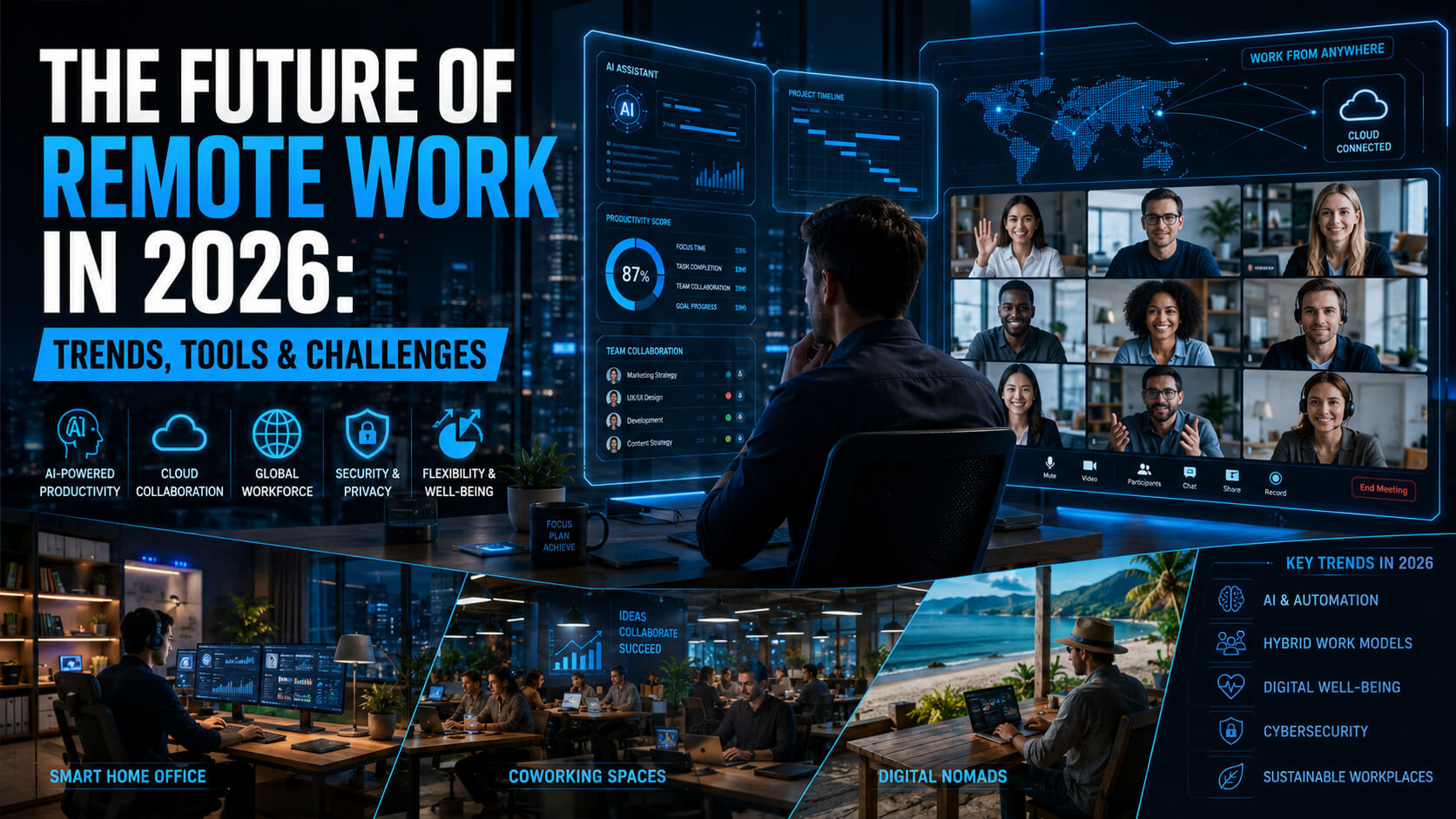
Five years ago, remote work was an emergency response. Three years ago, it was a culture war. In 2026, it is just work, the way most knowledge work happens for most people, most of the time.
The arguments about whether remote work is sustainable have ended. The new questions are sharper.
- How should hybrid teams actually operate?
- What happens to office real estate?
- Which industries can never go remote?
- How do you build culture when half the team has never met in person?
This guide covers the future of remote work in 2026 across the trends, tools, challenges, and practical playbooks that matter most. It is built for managers, founders, employees, and anyone trying to work well in a world where the office is optional.
Where Remote Work Stands in 2026
McKinsey research shows that roughly 30% of US work hours are now performed remotely, up from 5% before the pandemic. Stanford WFH Research finds similar rates across most developed economies, with knowledge workers concentrated even higher.
The dominant model is hybrid.
- Pure remote roles still exist and are growing in some sectors.
- Most large employers settled on 2 to 3 days per week in office.
- Fully in-person roles remain dominant in healthcare, manufacturing, retail, and frontline services.
The political and cultural debate has not ended.
Several major employers like JPMorgan, Amazon, and IBM pushed back toward office-heavy work during 2024 and 2025. Others doubled down on remote and distributed work as a hiring advantage.
The result is a fragmented landscape where worker choice and employer flexibility increasingly determine which jobs people accept.
The 6 Biggest Remote Work Trends Shaping 2026
1. Hybrid as the Default, Not Remote-First
For most large companies, hybrid won.
Three days per week in office (usually Tuesday through Thursday) is now the most common pattern.
What This Means
- Fully remote remains concentrated in tech and distributed-first companies.
- Most workers commute fewer days than in 2019 but more than in 2021.
- The middle ground became permanent.
2. Asynchronous Communication Becomes the Norm
Companies that succeed with hybrid work rely less on meetings and more on async systems.
Popular Async Tools
- Loom
- Notion
- Linear
- Google Docs
- Slack threads
Why It Matters
Async communication scales across time zones and flexible schedules far better than meeting-heavy cultures.
Teams that document decisions clearly and reduce unnecessary meetings consistently outperform teams trying to recreate office culture through Zoom.
3. AI-Augmented Workflows Reshape Work
Generative AI is now embedded into daily work.
Common AI Use Cases
- Drafting emails
- Writing first-pass code
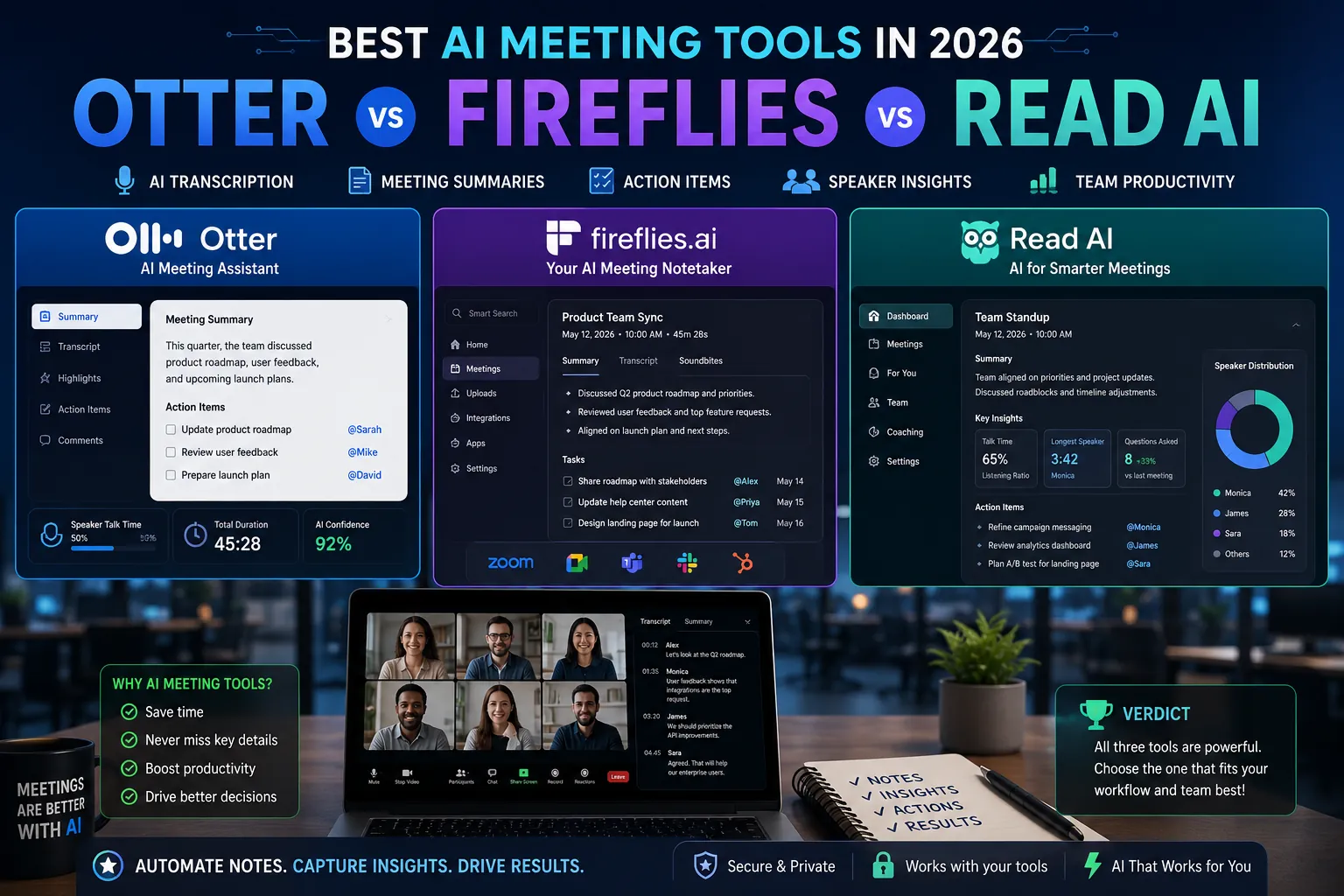
- Summarizing meetings
- Creating reports
- Research and analysis
The Real Impact
AI has not replaced knowledge workers at the scale many predicted.
Instead, it shifted work toward:
- Judgment
- Decision-making
- Relationship management
- Creative and strategic thinking
Routine drafting and information retrieval now happen dramatically faster.
4. Office Real Estate Reshapes
Office occupancy in major cities remains below pre-pandemic levels.
What Changed
- Prime office buildings remain valuable.
- Older office space is losing value rapidly.
- Cities are converting offices into:
- Residential housing
- Hospitality spaces
- Life-science facilities
Central business districts are evolving into mixed-use neighborhoods rather than office-only zones.
5. The Rise of Distributed-First Companies
A growing number of startups launch without headquarters entirely.
Companies That Proved the Model
- GitLab
- Automattic
- Zapier
Why It Matters
Distributed-first companies often offer:
- Better flexibility
- Global hiring opportunities
- Geographic freedom
- Competitive compensation
For many workers, they became the most attractive employers in the market.
6. Global Hiring and Cross-Border Compliance
Employer-of-Record platforms transformed global hiring.
Popular Platforms
- Deel
- Remote
- Oyster
- Rippling Global
The Result
Hiring international employees now takes days instead of months.
Companies increasingly hire wherever the best talent exists, regardless of geography.
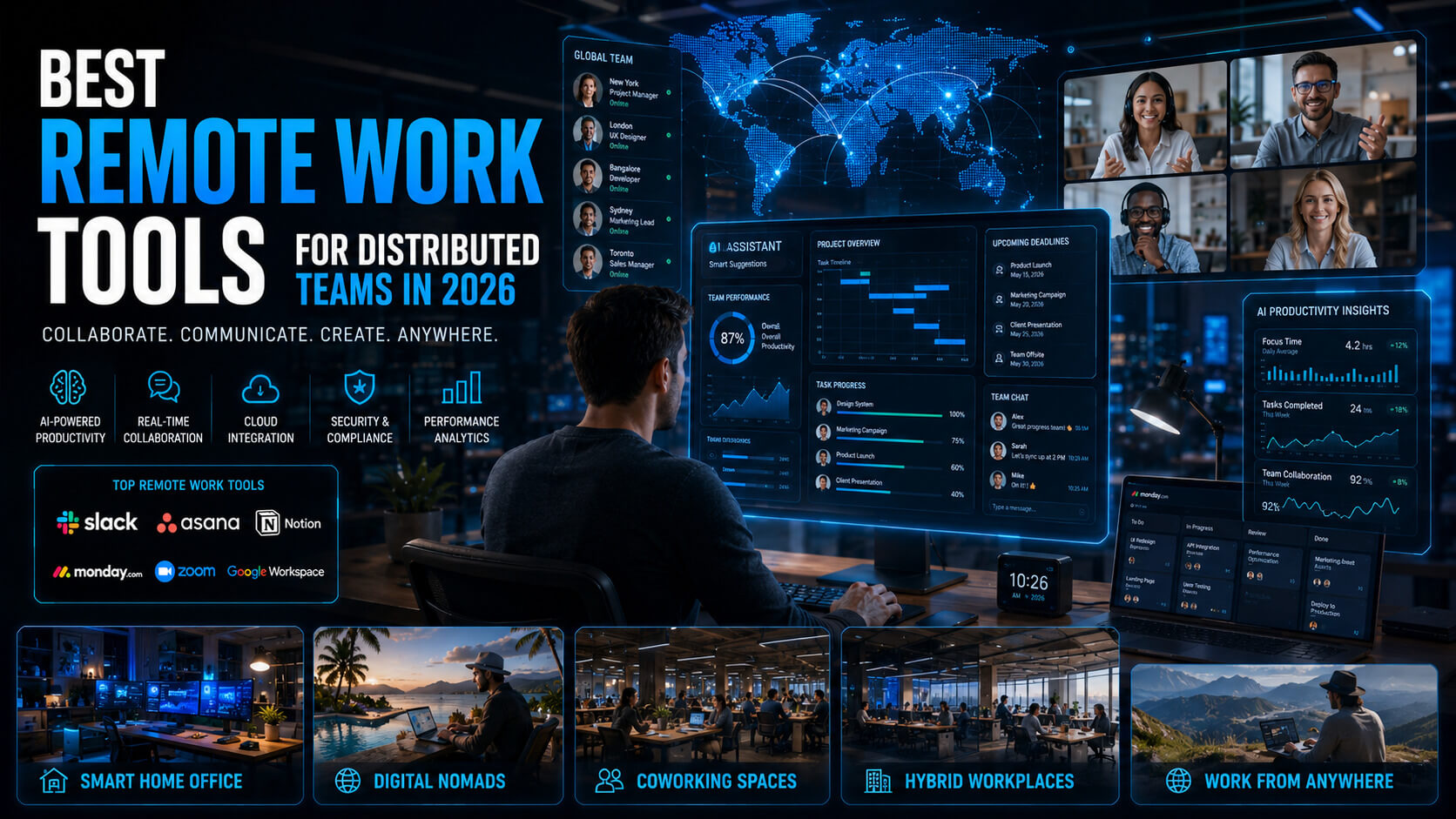
The Modern Remote Work Tech Stack
A strong remote or hybrid team usually depends on tools across several categories.
| Category | Leading Tools | Purpose |
|---|---|---|
| Communication | Slack, Microsoft Teams, Discord | Real-time messaging |
| Video and async video | Zoom, Google Meet, Loom | Meetings and updates |
| Project management | Linear, Jira, Asana, ClickUp | Task tracking |
| Documentation | Notion, Confluence, Google Docs | Shared knowledge |
| Collaboration and design | Figma, FigJam, Miro | Creative collaboration |
| AI assistants | ChatGPT, Claude, Gemini, GitHub Copilot | Drafting, coding, analysis |
Important Reminder
Tools do not replace strong processes.
A team with average tools and excellent communication habits will outperform a team with perfect tools and unclear expectations.
Workplace Culture in a Hybrid World
The hardest part of hybrid work is culture, not technology.
Documenting Decisions and Context
In offices, people absorb information passively through conversations.
In hybrid environments, context only spreads if someone writes it down.
Strong Teams Document
- Decisions
- Processes
- Specifications
- Meeting outcomes
- Operational knowledge
Documentation is no longer optional. It is infrastructure.
Inclusive Meeting Practices
Hybrid meetings often prioritize people physically in the room.
Strong teams actively prevent this.
Common Best Practices
- Everyone joins from their own laptop
- Remote attendees receive equal participation time
- Written summaries follow important meetings
Intentional Human Connection
Connection no longer happens automatically.
Successful hybrid companies intentionally create it through:
- Quarterly retreats
- Virtual coffee chats
- Team rituals
- Slack social channels
- AMAs with leadership
Teams that ignore this consistently struggle with onboarding, engagement, and retention.
The Productivity Question: Is Remote Work Actually Working?
The evidence in 2026 is mixed.
What Research Shows
Fully remote work often produces a small productivity decrease compared to fully in-office environments.
Hybrid work generally shows no major productivity difference overall.
Where Remote Work Performs Best
- Deep focus work
- Async tasks
- Work-life integration
- Global hiring
- Employee retention
Where Offices Still Win
- Mentoring junior employees
- Rapid collaborative debate
- Informal relationship-building
- Complex onboarding
The strongest organizations match the environment to the work rather than forcing everything into one model.
The Hard Parts of Remote Work in 2026
A realistic discussion must include the challenges.
Onboarding New Employees
New hires often struggle more in distributed teams because informal learning disappears.
Mentoring Junior Staff
Apprenticeship-style learning is harder without proximity.
Building Informal Networks
Career-building relationships develop more slowly through scheduled calls than through casual office interactions.
Time Zone Coordination
Teams spread across multiple continents face communication delays and decision friction.
Loneliness and Isolation
Some workers, especially younger employees living alone, report higher levels of burnout and isolation in fully remote settings.
Performance Management
Managers must rely more heavily on outcomes and communication quality instead of visibility.
6 Common Remote Work Mistakes
Recreating the Office Over Zoom
Meeting overload destroys the benefits of remote work.
Skipping Documentation
Without written systems, teams accumulate hidden context and confusion.
Treating Hybrid as “Part-Time Office”
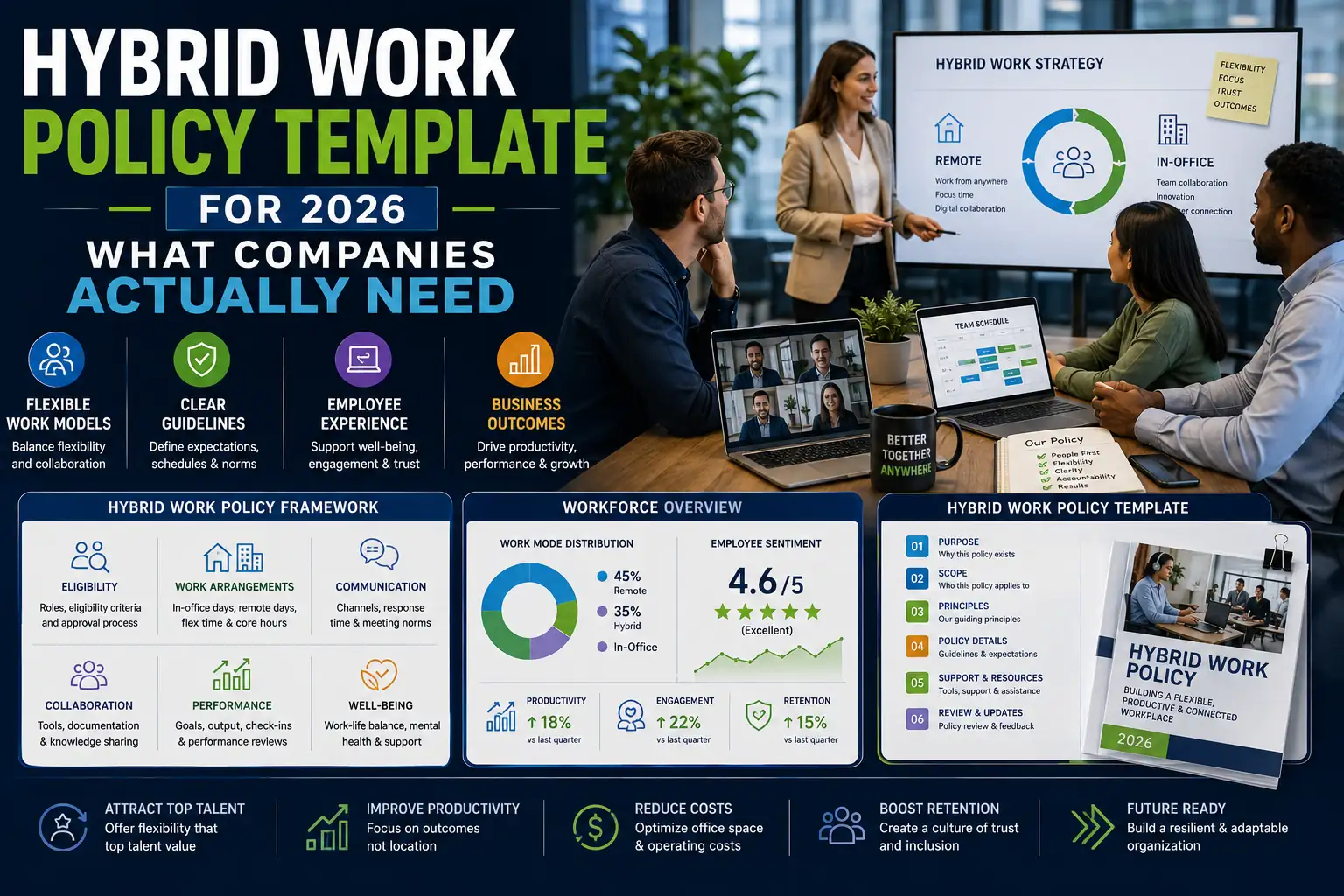
Hybrid requires intentional design, not random attendance.
Ignoring Home Office Quality
Poor chairs, lighting, and microphones quietly damage productivity and health.
Letting Feedback Culture Fade
Managers must work harder to maintain regular, honest feedback loops.
Allowing Proximity Bias
Employees physically present more often can receive unfair visibility advantages if leaders are not careful.
Expert Tips for Building a Successful Remote or Hybrid Team
Pick a Model and Commit to It
Frequent policy changes destroy trust and create instability.
Invest in Async Communication
Strong writing culture compounds over time.
Measure Outcomes, Not Activity
Surveillance tools usually reduce trust without improving performance.
Use Retreats for Relationships
In-person gatherings should focus on culture and alignment rather than endless presentations.
Pay Special Attention to Junior Employees
Early-career staff need intentional mentorship structures.
Build Robust Onboarding Systems
Clear 30-, 60-, and 90-day plans dramatically improve retention and performance.
What Workers Should Know in the 2026 Job Market
Remote work flexibility varies dramatically between employers.
Ask Specific Questions During Interviews
Clarify:
- Required office days
- Flexibility rules
- Remote work expectations
- Geographic salary policies
Watch for Constant Policy Changes
Companies that repeatedly reverse remote policies often have deeper management problems.
Distributed-First Companies Usually Do Remote Better
Companies built remotely from the beginning generally operate more smoothly than companies retrofitting remote work into old office cultures.
Build Skills That Work Anywhere
Critical remote-work skills now include:
- Written communication
- Structured thinking
- Time management
- Async collaboration
Frequently Asked Questions
Is Remote Work Declining or Growing in 2026?
Fully remote work has stabilized after earlier growth, while hybrid work continues expanding and remains the dominant model for knowledge workers.
What Industries Cannot Go Remote?
Industries requiring physical presence remain primarily in-person, including:
- Healthcare
- Manufacturing
- Construction
- Retail
- Hospitality
- Transportation
How Do I Find a Fully Remote Job in 2026?
Strong platforms include:
- We Work Remotely
- Remote OK
- Remotive
- AngelList Talent
- LinkedIn remote filters
Distributed-first companies remain the strongest source of fully remote roles.
Are Companies Tracking Remote Workers More Aggressively?
Some companies use surveillance software, but these environments often experience lower trust and higher turnover.
High-performing remote companies focus on outcomes rather than monitoring activity.
How Is AI Changing Remote Work?
AI reduces the cost of:
- Writing
- Research
- Meeting summaries
- Documentation
- First-pass analysis
This especially benefits distributed teams that rely heavily on written communication.
What Is the Future of Remote Work Over the Next Five Years?
Hybrid work will likely remain dominant through 2030.
Key long-term trends include:
- Continued global hiring
- Office real estate transformation
- Growth of distributed-first companies
- AI integration into daily workflows
Building the Way We Work Next
The future of remote work in 2026 is less dramatic than the headlines suggest and more practical than many expected.
The office is not dead. The five-day commute is not fully coming back. Hybrid won.
The companies succeeding now are the ones building intentional systems around:
- Clear communication
- Async workflows
- Outcome-based management
- Strong culture
- Flexible work design
For workers, the choices are broader than ever. Fully remote companies exist. Hybrid flexibility became mainstream. Geographic freedom is more possible than at any previous point in modern work.
The future of work is not one model replacing another. It is a world where people have more options to match how they work best.
For more guides on remote work tools, distributed team practices, and the technology shaping modern work, explore PostoryCafe.com. We publish new future-of-work content every week.