

Five years ago, “fintech” mostly meant a faster way to send money to a friend. In 2026, it means challenger banks with 100 million customers, payment networks moving trillions, and lending platforms underwriting loans in seconds using data traditional banks cannot access.
The fintech startups changing banking right now are no longer scrappy outsiders. Many are profitable, regulated, and serving more customers than the regional banks they competed with a decade ago.
This list covers the 10 fintech companies having the largest impact on consumer and business banking in 2026. Each entry includes what they do, why they matter, current traction, and what to watch next. The selection prioritizes real-world influence over hype.
How We Picked the Top 10
Hundreds of fintech startups make headlines each year. The 10 on this list earned their spots through one or more of the following:
- Rapid customer growth
- Real revenue
- Regulatory durability
- Technical innovation that competitors are copying
- A clear path to reshaping a banking category
Mature giants like PayPal and Square (Block) are excluded because they are now incumbents themselves. The focus here is on companies still in active disruption mode in 2026.
1. Nubank (Latin America)
Brazil-based Nubank is the largest digital bank in the world by customer count, serving over 110 million people across Brazil, Mexico, and Colombia in 2026. It started with a no-fee credit card and now offers full banking, lending, investing, and insurance.
Why It Matters
Nubank has shown that a digital-first bank can profitably serve customers traditional banks ignored, particularly the unbanked and underbanked populations across Latin America. Quarterly profits have grown steadily, and customer acquisition costs remain dramatically lower than legacy banks.
What to Watch
- International expansion beyond Latin America, particularly into Southeast Asia.
2. Revolut (Global)
London-based Revolut has grown from a multi-currency travel card into a full financial super app with banking licenses across the EU, UK, and several other markets. By 2026, it serves over 50 million customers globally.
Why It Matters
Revolut combines spending, saving, investing, crypto, insurance, and business banking in one app. For users in countries with fragmented financial services, it has become a primary banking relationship.
What to Watch
- Continued push for full US banking license and deeper SMB business banking.
3. Chime (United States)
Chime serves over 25 million Americans with no-fee checking, automatic savings, and early paycheck access. It went public in 2025 and remains the largest neobank in the US by customer count.
Why It Matters
Chime proved that mass-market consumer banking in the US could be rebuilt around fee transparency and mobile-first experience. The “no overdraft fees” stance forced traditional banks to roll back their own fee structures.
What to Watch
- Expansion into credit products, lending, and small business banking after going public.
4. Stripe (Global Payments and Banking Infrastructure)
Stripe processes over $1 trillion in annual payment volume and powers the underlying infrastructure for millions of online businesses worldwide. Its product set has expanded into banking-as-a-service, embedded lending, payroll, and treasury management.
Why It Matters
Stripe is the platform many other fintech startups build on. Its dominance in developer-friendly payment infrastructure has made it as central to internet commerce as AWS is to cloud computing.
What to Watch
- Stripe Connect expansion
- Embedded finance growth
- The long-anticipated IPO
5. Wise (Global)
Wise (formerly TransferWise) handles over $200 billion in cross-border payments annually with rates 5 to 10 times cheaper than traditional banks. Its multi-currency account and debit card serve consumers and SMBs globally.
Why It Matters
Wise built the international money transfer rails that legacy banks should have built. Its transparent pricing model forced incumbents to reduce or disclose hidden FX margins.
What to Watch
- Expansion into stablecoin settlement and broader B2B treasury services.
6. Ramp (United States)
Ramp is the leading corporate card and spend management platform for US businesses. It pairs a free corporate card product with AI-driven expense automation, accounts payable, procurement, and travel booking.
Why It Matters
Ramp turned the corporate card into a cost-saving tool rather than a profit center. By 2026, it serves over 30,000 companies and is one of the fastest-growing fintechs in the US.
What to Watch
- Deeper expansion into AI agents that automatically negotiate vendor pricing and manage spend without human intervention.
7. Mercury (Startups and SMBs)
Mercury offers business banking purpose-built for startups and tech companies. Its product includes checking accounts, treasury management, debit and credit cards, and venture debt referrals.
Why It Matters
After the Silicon Valley Bank collapse in 2023, Mercury became the default banking choice for thousands of US startups. Its emphasis on FDIC sweep networks (spreading deposits across multiple banks for $5M+ in coverage) addressed real founder anxiety.
What to Watch
- Continued product expansion into venture debt, payroll, and accounting integrations.
8. Klarna (Global Buy-Now-Pay-Later)
Klarna is the largest BNPL provider globally, with over 150 million active users across 45 countries. Its 2025 IPO confirmed the BNPL category as durable rather than a cyclical experiment.
Why It Matters
Klarna helped normalize installment payments at checkout for everyday purchases. It has expanded into full banking services in several markets and now competes directly with traditional credit card issuers.
What to Watch
- Deeper integration with merchants
- Expansion of its AI shopping assistant
- Growth in its US banking footprint
9. Plaid (Banking Infrastructure)
Plaid is the dominant bank account connectivity platform in the US and Europe. Thousands of fintech apps (including most on this list) use Plaid to securely connect to user bank accounts.
Why It Matters
Open banking standards in the US, Europe, and Brazil are accelerating, and Plaid sits at the center of the resulting ecosystem. Without Plaid, the embedded finance boom would not have been possible.
What to Watch
- Deeper expansion into payment initiation
- Identity verification
- Underwriting data products
10. Brex (Global SMB Finance)
Brex offers corporate cards, banking, expense management, and travel for high-growth companies and global enterprises. Its repositioning from startup-focused to enterprise has accelerated growth.
Why It Matters
Brex demonstrated that corporate finance products built natively for the cloud era can compete with entrenched incumbents like American Express. Its AI-powered spend insights and global card issuance differentiate it from US-only competitors.
What to Watch
- Deeper enterprise penetration
- Multi-currency capabilities
- Embedded finance partnerships
Honorable Mentions Worth Watching
- MercadoPago (Latin America): the financial services arm of MercadoLibre, now one of the largest payment networks in the region.
- Robinhood: continues to expand into retirement accounts, crypto, and credit cards after a difficult few years.
- Toast (US): restaurant-focused fintech combining point-of-sale with embedded lending, payroll, and banking.
- SoFi (US): profitable, growing fast, and increasingly looks like a real digital bank for middle-class Americans.
- Monzo (UK): the UK challenger bank turning profitable and expanding into the US.
- Cash App (US): Block’s consumer wallet now functions as a primary financial account for millions of younger Americans.
The Top 10 at a Glance
| Company | Category | Headquarters | Standout Product |
|---|---|---|---|
| Nubank | Digital bank | Brazil | No-fee credit card and full banking |
| Revolut | Super app | UK | Multi-currency banking and trading |
| Chime | US neobank | United States | No-fee checking with early payday |
| Stripe | Payment infrastructure | United States | Developer-first payment APIs |
| Wise | Cross-border payments | UK | Low-fee multi-currency account |
| Ramp | Corporate cards / spend | United States | Free corporate card with AI expense tools |
| Mercury | Startup banking | United States | Banking and treasury for tech startups |
| Klarna | BNPL and shopping | Sweden | Buy-now-pay-later at checkout |
| Plaid | Banking connectivity | United States | Open banking infrastructure |
| Brex | Enterprise finance | United States | Global corporate cards and banking |
What These Companies Have in Common
Looking across the list, three patterns appear in every successful fintech startup of this generation.
They Picked One Banking Job and Did It Dramatically Better
Whether it was cross-border transfers (Wise), SMB cards (Brex, Ramp), or BNPL (Klarna), each company started by being best in the world at one specific service.
They Built Developer-Friendly or Mobile-First Products
Either they made integration with other software trivial (Stripe, Plaid) or they built mobile experiences traditional banks could not match (Nubank, Revolut, Chime).
They Invested Heavily in Regulatory Infrastructure
The 2023-2024 BaaS shakeout exposed how many fintech startups skipped serious compliance work. The survivors and winners on this list invested early in licensing, sponsor bank relationships, and risk management.
5 Common Misconceptions About Fintech Disruption
“Fintechs Will Replace Banks Entirely.”
They will not. Most successful fintechs partner with regulated banks for the actual money-holding part. The relationship is closer to symbiosis than replacement.
“Crypto Will Destroy Traditional Finance.”
Crypto integration matters, but the dominant fintechs on this list are succeeding through better user experience and lower costs, not by abandoning fiat money.
“Bigger Always Wins.”
Several mid-size fintechs (Mercury, Ramp) outcompete much larger incumbents in their niches. Vertical focus often beats horizontal scale.
“Fintechs Do Not Make Money.”
The leading fintechs on this list are profitable or trending toward profitability. The 2022-2023 “growth at all costs” era ended.
“Regulation Will Kill Innovation.”
Smart fintechs treat regulation as a moat. Companies with strong compliance, banking licenses, and audited operations face less competitive risk than unregulated peers.
Expert Tips: How to Evaluate a Fintech Before Trusting It With Your Money
Check FDIC or Equivalent Insurance Status
Confirm that customer deposits are held at insured banks. Most reputable fintechs disclose this clearly. If a fintech cannot answer this question quickly, look elsewhere.
Look at the Partner Bank List
Knowing which licensed banks hold your money matters. Strong fintechs work with well-capitalized partners (Cross River Bank, Column, Stearns Bank, Evolve, Choice Financial).
Read the User Agreement on Cash Sweep Limits
Some fintechs spread deposits across multiple banks to extend FDIC coverage. Others do not. The difference matters if balances exceed $250,000.
Verify Customer Support Quality
Real customer service responsiveness is a leading indicator of operational maturity. Test it before depending on the product.
Diversify Across Providers for Large Balances
Even the best fintechs can have outages or disputes. For business operations or significant personal savings, never put all your money in one fintech.
Frequently Asked Questions
Which Fintech Startup Is the Largest in 2026?
By customer count, Nubank is the largest digital bank in the world with over 110 million customers across Latin America. By payment volume, Stripe processes the most among private fintech companies. By total business banking footprint, Klarna and Revolut are also among the largest. Each company leads a different banking category, so “largest” depends on which dimension you measure.
Are Fintech Startups Safe to Use for Daily Banking?
The leading fintech startups on this list partner with FDIC-insured banks (or equivalent regulated institutions in their markets), apply strong fraud protection, and meet the same regulatory standards as traditional banks for the products they offer. They are generally safe for daily banking use. The 2024 Synapse collapse and similar incidents primarily affected smaller BaaS middleware providers, not the consumer-facing fintechs in this guide. Always verify deposit insurance status and partner bank disclosures before opening a primary account.
How Are Fintech Startups Different From Traditional Banks?
Fintech startups typically focus on one banking service or customer segment and rebuild it as a digital-first product. Traditional banks offer a wider range of services but with older technology, branch networks, and higher operational costs. Fintechs usually do not hold their own banking license but partner with regulated banks for the underlying account, card, and lending infrastructure. The customer experience is nearly always better at a focused fintech, while a traditional bank may offer broader product range and physical branch access.
Which Fintech Is Best for Small Business Banking?
For US-based startups and tech companies, Mercury is the most popular choice in 2026. For SMBs that need corporate cards and expense management, Ramp and Brex are leading options. For international SMBs that need multi-currency capabilities, Wise Business and Revolut Business are strong. The best choice depends on your country, business stage, and which banking jobs (cards, treasury, payments, lending) matter most.
Will Fintech Startups Replace Banks in the Next Decade?
Probably not entirely. Most successful fintechs partner with banks rather than replace them. What is happening is more interesting: traditional banks are slowly losing the customer relationship while remaining the regulated infrastructure beneath fintech experiences. By 2030, expect a banking landscape where most consumers and businesses interact with fintech apps day to day, while licensed banks operate quietly in the background.
The Quiet Revolution in Banking
The fintech startups disrupting banking in 2026 are no longer disruption stories. They are banks, payment networks, and financial platforms that quietly serve hundreds of millions of customers and process trillions of dollars. The competition with incumbent banks is real, ongoing, and increasingly being won at the customer experience layer.
For consumers and business owners, this is good news. Banking is cheaper, faster, more transparent, and better designed than at any point in history. The companies on this list are part of why.
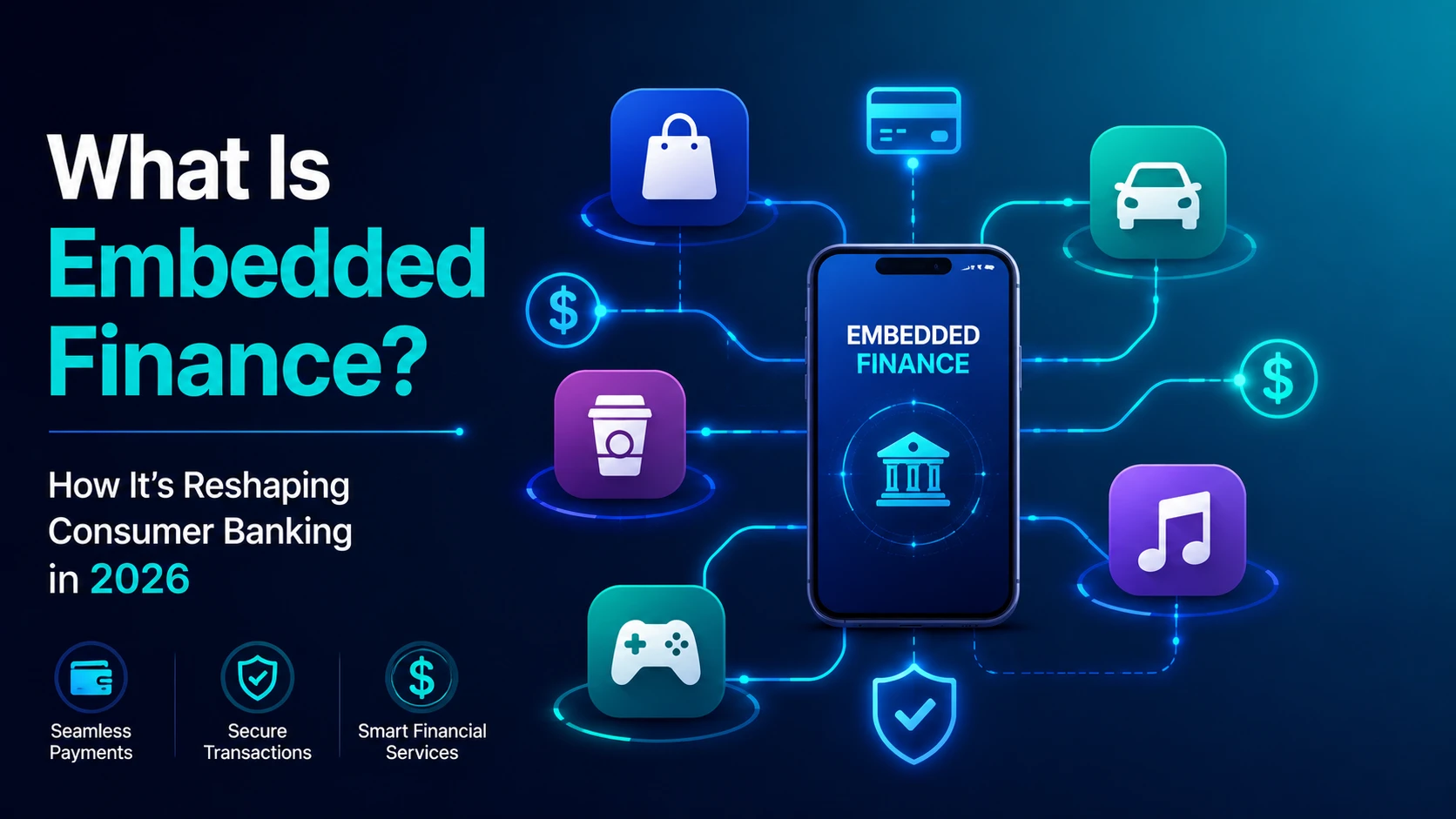
For the foundational context on how this entire ecosystem actually works, read our pillar: What Is Embedded Finance? How It’s Reshaping Consumer Banking in 2026. More fintech analysis lives on PostoryCafe.com.