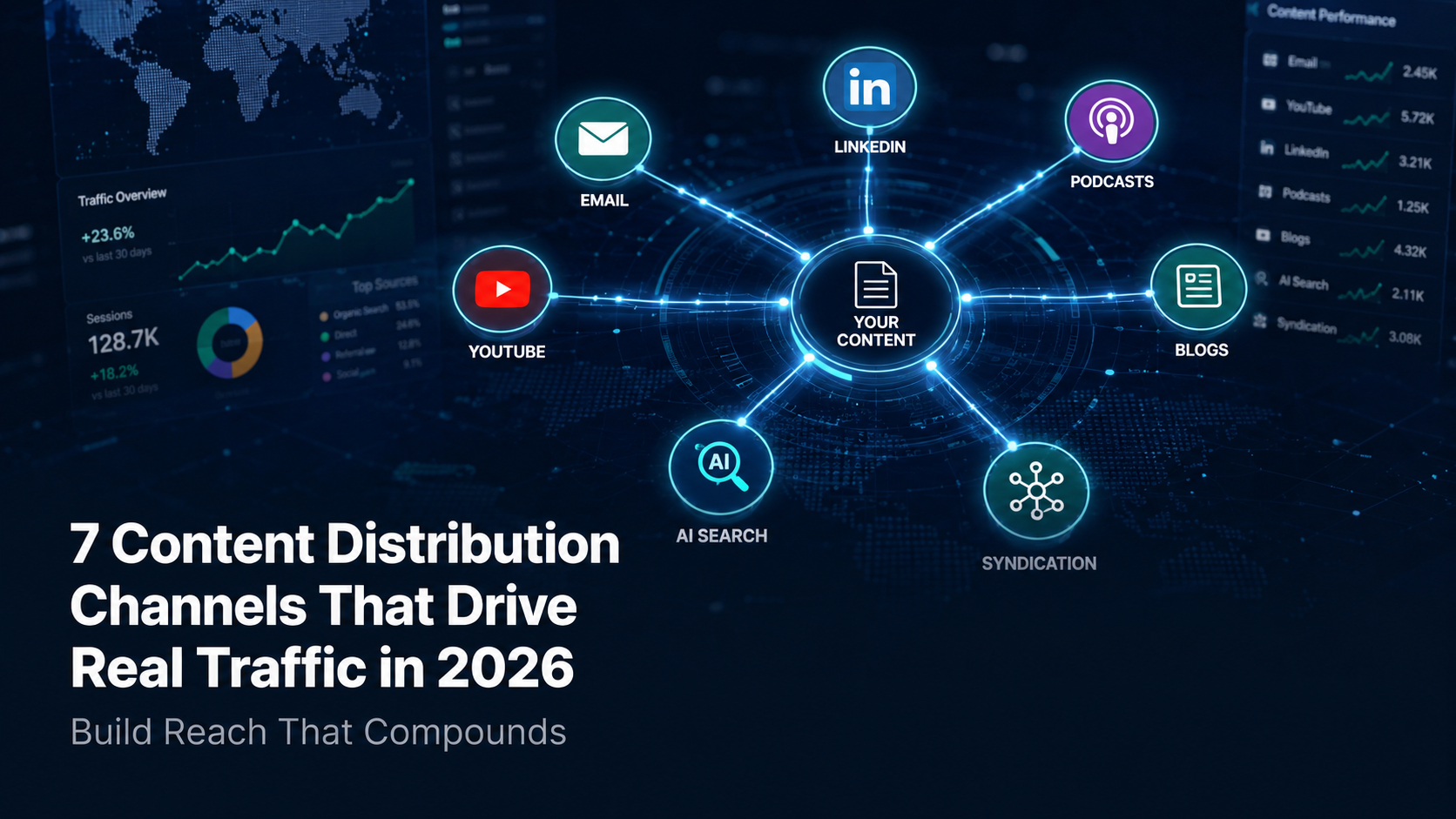
HubSpot’s 2026 State of Marketing Report found that 61 percent of marketers identify content distribution as a bigger challenge than content creation. Beehiiv, the email newsletter platform, grew to 5 billion emails sent per month in 2025, reflecting the continued migration of content audiences toward owned channels. YouTube now reports 500 hours of video uploaded per minute, yet the top 1 percent of channels capture 90 percent of total watch time, according to Pew Research 2025 analysis. The pattern across every major content channel in 2026 is polarisation: distribution is either working at meaningful scale or producing almost nothing, with very little middle ground.
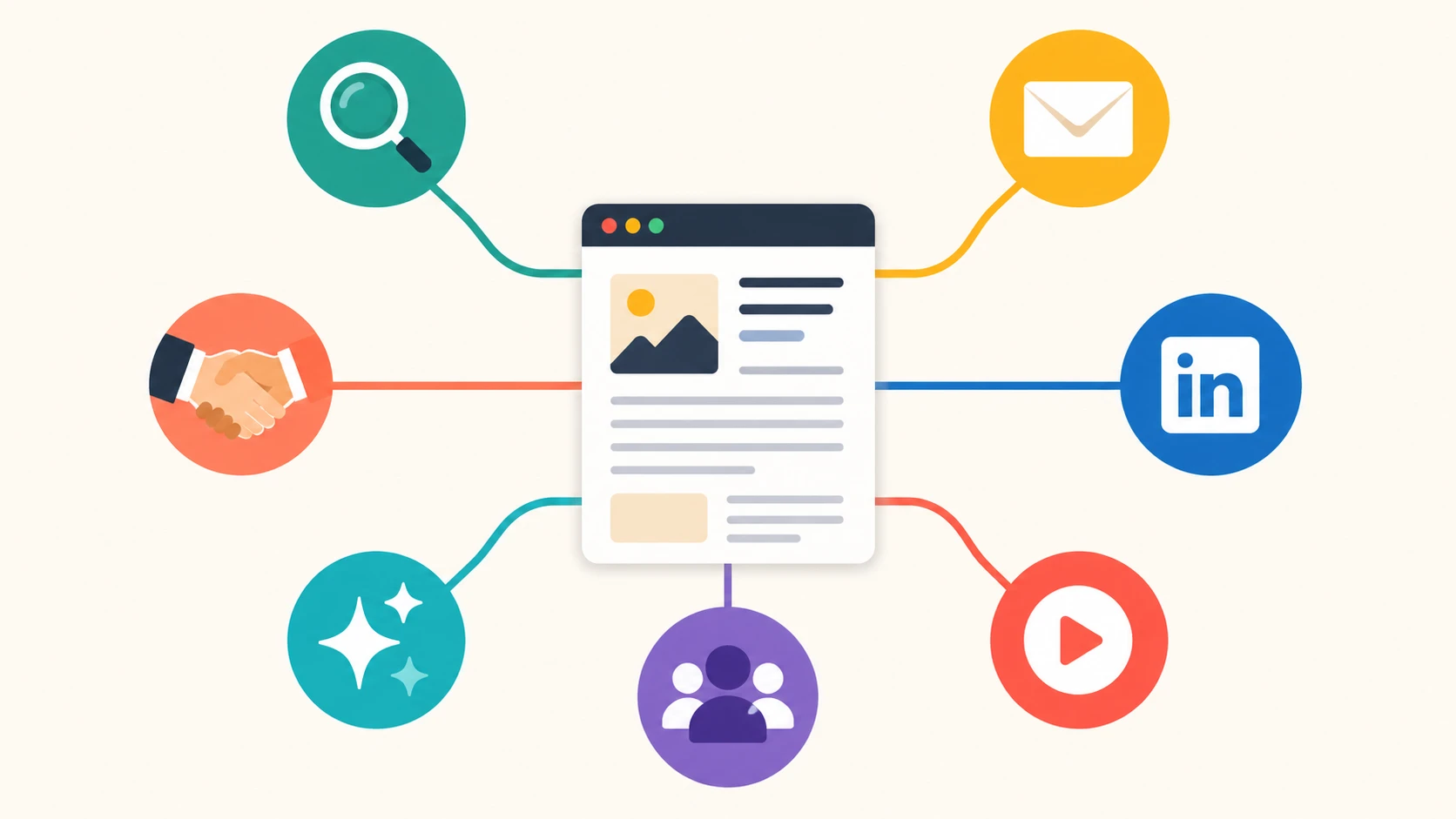
Understanding which distribution channels drive real, qualified traffic in 2026 matters more than understanding content creation. A well-researched article with zero distribution strategy reaches no one. This guide covers the seven channels that consistently drive measurable results in 2026, what each requires to perform, and how to prioritise them based on business type and available resources.
Channel 1: Email Newsletters
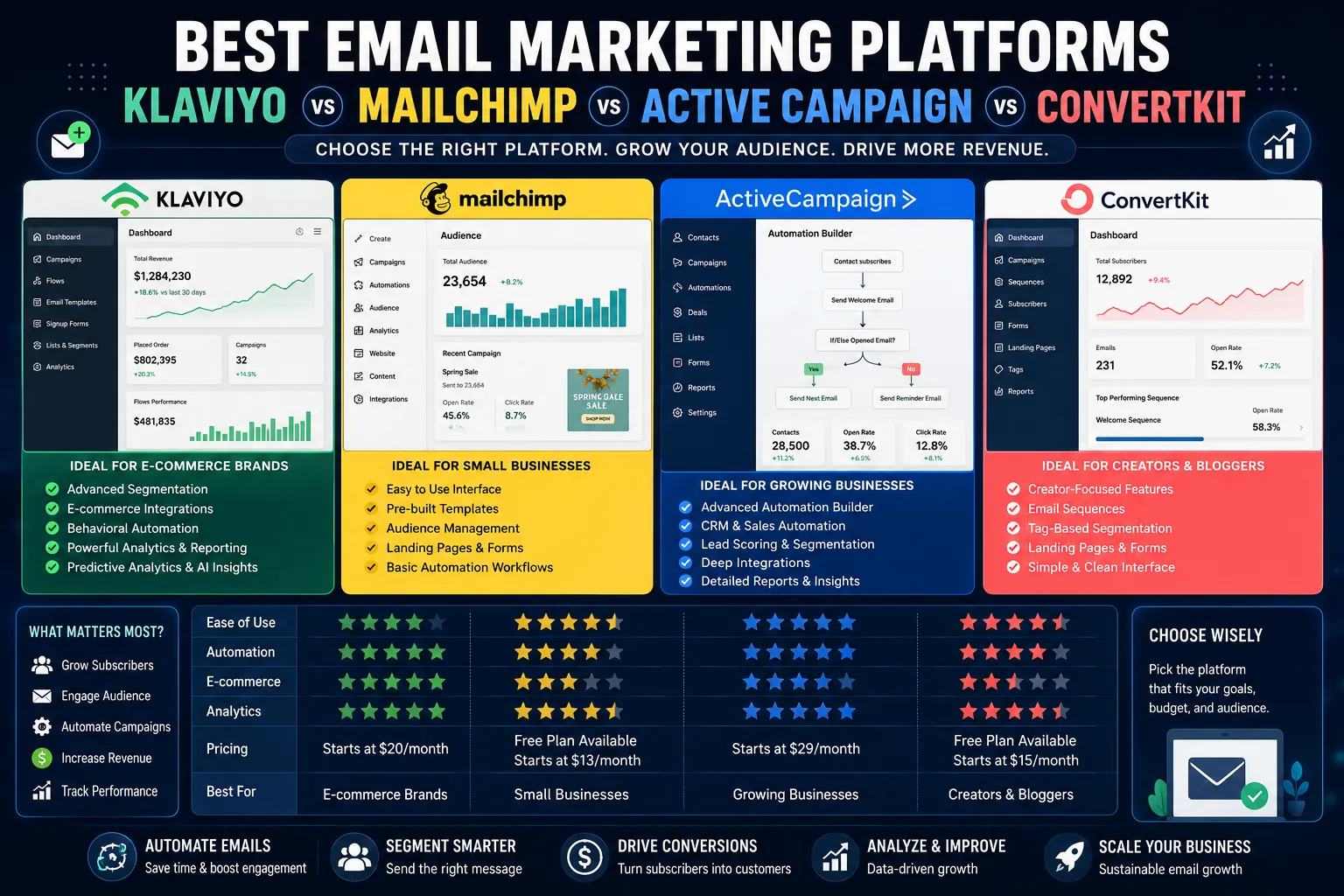
Email newsletters deliver the highest engagement rates of any digital distribution channel in 2026. Campaign Monitor’s 2025 Email Benchmarks Report records an average open rate of 21.5 percent across industries, compared to organic reach of approximately two to six percent on Facebook and 10 to 20 percent on LinkedIn. The owned-channel dynamic is the structural advantage: an email list of 10,000 subscribers delivers 2,150 opens on every send without algorithmic interference, a return that no social platform guarantees. Beehiiv, Substack, and ConvertKit are the dominant platforms for creator-focused newsletters; Klaviyo and Mailchimp dominate e-commerce and enterprise applications.
Newsletter growth in 2026 requires a clear content format that readers expect and a consistent publishing cadence that builds habit. The Hustle, a business newsletter acquired by HubSpot, maintains a 30 percent open rate on 2 million subscribers through daily delivery at the same time each morning. Morning Brew scaled to 4 million subscribers using a conversational format that made business news accessible. Both cases demonstrate that format consistency drives retention more reliably than topic novelty.
Channel 2: LinkedIn Organic
LinkedIn’s algorithm in 2026 prioritises dwell time on native posts over link clicks, which means content that generates discussion within LinkedIn (comments, reactions, saves) reaches significantly more people than posts whose primary purpose is to drive users off the platform. Posts that generate more than 20 comments within the first 60 minutes receive up to five times the organic reach of content with lower early engagement, based on reverse-engineering analyses published by Richard van der Blom’s LinkedIn Algorithm Report 2025.
LinkedIn’s value for B2B content distribution is unmatched. Demand Gen Report’s 2025 B2B Content Survey found that 80 percent of B2B marketing leads generated via social media originate on LinkedIn, compared to nine percent on Twitter/X and seven percent on Facebook. For founders, consultants, and B2B product teams, LinkedIn personal brand posts from individual accounts consistently outreach company page posts, sometimes by a factor of ten, because personal profiles are prioritised in the feed algorithm over branded pages.
Channel 3: YouTube Search
YouTube is the second largest search engine in the world by query volume, processing over three billion searches per day according to Google’s internal data shared at Google I/O 2025. Unlike social feed content where distribution depends on algorithmic amplification, YouTube search content accumulates views over months and years because it appears in response to active user queries. A well-optimised how-to video published in 2024 can generate more views in 2026 than it did in its launch month, a compounding dynamic unavailable on Instagram, TikTok, or Twitter.
The investment threshold for YouTube is higher than for text content: scripting, filming, editing, and thumbnail design collectively require two to four hours per video for competent production. The return is proportionally higher for the right topic categories. Google’s August 2025 Helpful Content Update elevated video content in text search results, meaning a YouTube video ranking for a keyword also drives search traffic through Google’s search results page, effectively multiplying distribution across two search engines simultaneously.
Channel 4: SEO-Optimised Blog Content
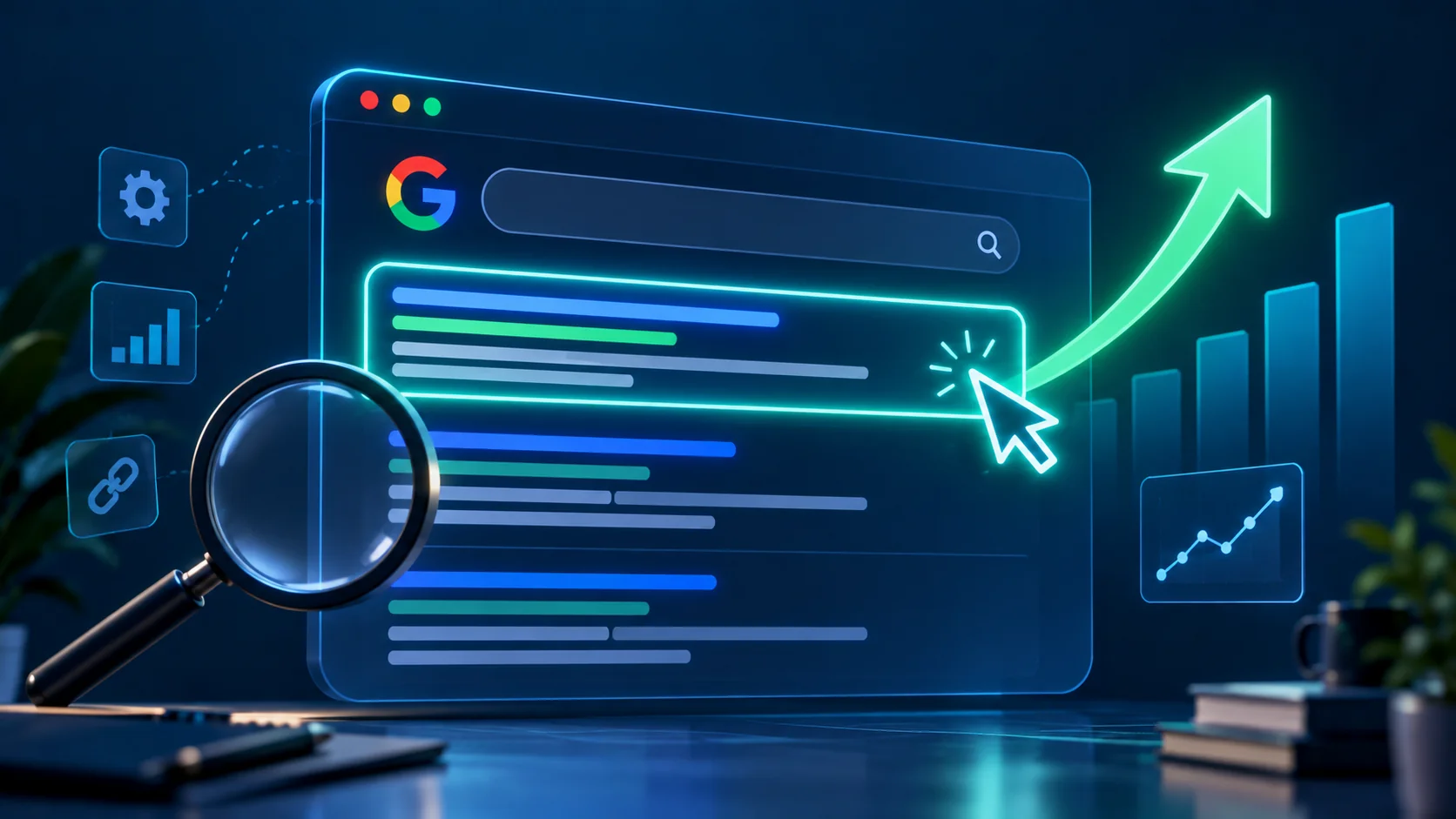
Blog content distributed through organic search remains the highest-ROI long-form content channel for most businesses in 2026 when measured over a 12-month horizon. Ahrefs’ 2025 Content Marketing Study found that a well-optimised blog post targeting a keyword with 1,000 to 10,000 monthly searches generates an average of 1,247 organic visits per month at steady-state, typically reached six to nine months after publication. The compounding nature of SEO traffic means that a library of 50 optimised posts can deliver 60,000 to 80,000 monthly visitors without additional distribution spend after the initial publication phase.
Google’s 2025 and 2026 core algorithm updates have rewarded content demonstrating Experience, Expertise, Authoritativeness, and Trustworthiness (E-E-A-T) with stronger rankings. Content produced by named human experts with relevant credentials, backed by original research or cited data, consistently outranks AI-generated thin content. This means the strategic advantage in SEO-driven content distribution in 2026 belongs to publishers who invest in genuine expertise, not publishing volume.
Channel 5: Podcast Appearances and Distribution
Podcast listening reached 546 million monthly listeners globally in 2026, according to Statista’s Podcast Revenue Report 2025. Guest appearances on established podcasts offer access to highly engaged niche audiences without the production overhead of hosting your own show. Edison Research’s 2025 Infinite Dial study found that podcast listeners have a median household income 32 percent above the national average in the United States, making the channel particularly valuable for B2B service businesses, financial products, and premium consumer categories.
The distribution mechanics of podcast appearances differ from other channels because exposure is tied to the host’s existing subscriber base. Appearing on a podcast with 10,000 weekly downloads delivers approximately 7,000 to 8,500 listens per episode (average completion rates of 70 to 85 percent). Pitching to relevant podcasts in your category is a replicable distribution strategy: a well-crafted pitch email to 20 podcast hosts in a given niche typically converts at five to ten percent, meaning one to two booked appearances per campaign.
Channel 6: AI Search and Featured Snippets
Google’s AI Overviews, which appear at the top of search results for approximately 15 percent of all queries in 2026 (up from six percent in 2024 per SparkToro’s 2025 survey), represent a new distribution channel that delivers traffic differently from traditional organic results. Content cited within an AI Overview receives credibility signals even when it does not generate a direct click, contributing to brand recognition and subsequent direct searches. Optimising for AI citation requires structured, factual, entity-rich content that answers specific questions in self-contained paragraphs, the same format used in this article.
ChatGPT Search, Perplexity, and Bing Copilot collectively processed an estimated 2.3 billion searches per month by Q1 2026, according to estimates published by SimilarWeb. Brands appearing as cited sources within AI-generated answers to commercial queries receive referral traffic from these platforms with significantly higher intent than typical organic traffic. The optimisation requirement is different from traditional SEO: conversational, specific, factually dense content performs better in AI search than keyword-stuffed content optimised purely for crawlers.
Channel 7: Content Syndication and Repurposing
Content syndication involves republishing existing content on platforms with established audiences: Medium, Substack, LinkedIn Articles, Dev.to (for technical content), and industry-specific publications. Canonical tag management ensures that search engines attribute ranking signals to the original publication rather than the syndicated copy, preserving SEO value while extending reach. HubSpot’s blog team reports that syndicating top-performing content generates 30 to 40 percent additional traffic beyond the original post’s organic reach, at near-zero marginal cost.
Repurposing takes a single piece of content and transforms it into formats suited to different channels: a 2,000-word blog post becomes a LinkedIn carousel (10 slides), a short-form video script (three to five minutes), a newsletter section (400 words), and five to eight tweet-length insights. Buffer’s 2025 Social Media Report found that teams repurposing content across four or more formats from a single source generate three times the total reach of teams producing entirely new content for each channel.
Frequently Asked Questions: Content Distribution Channels 2026
What is the most effective content distribution channel in 2026?
Email newsletters deliver the highest engagement rate of any digital distribution channel in 2026, with average open rates of 21.5 percent compared to two to six percent organic social reach (Campaign Monitor 2025). For reach, YouTube search and SEO blog content compound over time and deliver sustained traffic without ongoing spend. For B2B lead generation, LinkedIn organic distribution generates 80 percent of social-sourced B2B leads (Demand Gen Report 2025).
How do I distribute content without a big budget in 2026?
Zero-budget content distribution in 2026 prioritises email (free via Beehiiv’s free tier up to 2,500 subscribers), LinkedIn personal posting (free), and SEO blog content (requires only hosting, typically $10 to $30 per month). Podcast guest appearances require only time and outreach effort. These four channels together can drive significant qualified traffic with no paid advertising spend, though they each require consistent effort over three to six months before compounding returns become visible.
How important is social media for content distribution in 2026?
Social media remains valuable for content distribution in 2026 but performs differently by platform and content type. LinkedIn drives B2B results consistently. YouTube is the highest-return social platform for long-form content with search intent. Instagram and TikTok generate reach and awareness but convert to website traffic at lower rates than search or email. Twitter/X organic reach declined significantly in 2025 following algorithm changes that deprioritise external links.
What is content syndication and does it hurt SEO?
Content syndication is republishing existing content on third-party platforms including Medium, LinkedIn Articles, or industry publications to extend reach. When implemented correctly using canonical tags pointing to the original URL, syndication does not harm SEO because search engines attribute ranking signals to the canonical source. Syndication without canonical tags can result in duplicate content issues. HubSpot’s data shows 30 to 40 percent additional reach from properly executed syndication at near-zero cost.
How does AI search change content distribution strategy in 2026?
AI search including Google’s AI Overviews, ChatGPT Search, and Perplexity changes content distribution by creating a new citation-based visibility layer above traditional organic results. Content structured as self-contained factual paragraphs, entity-dense and attributing specific claims to named sources, is more likely to appear as cited material in AI-generated answers. This format differs from keyword-optimised SEO writing and requires deliberate structural adjustments to benefit from AI search distribution.
How many distribution channels should a small team use in 2026?
A small content team of one to three people in 2026 should focus on two to three distribution channels executed consistently rather than spreading effort across six to eight channels superficially. The highest-return combination for most businesses is SEO blog content for compounding organic search traffic, email newsletter for owned-audience retention, and one social channel matched to their audience (LinkedIn for B2B, YouTube for educational content, Instagram for visual consumer brands).
Distribution Is the Difference Between Content and Reach
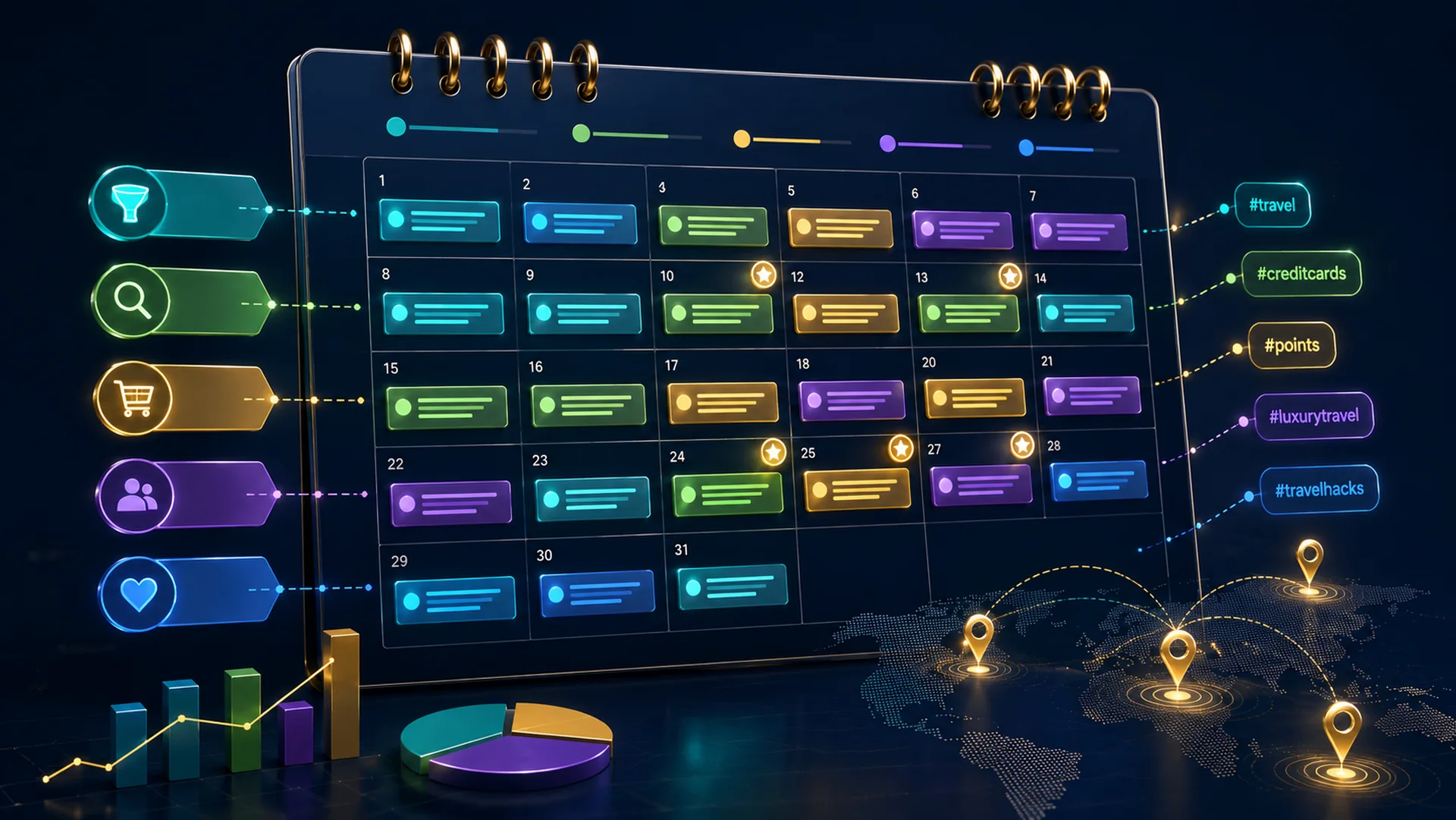
The pattern across all seven channels in 2026 is that consistency and depth in two to three channels outperforms shallow presence across many. A brand that publishes a weekly email newsletter, maintains an SEO-optimised blog at two posts per week, and posts substantively on LinkedIn three times per week is executing a distribution strategy that compounds over 12 to 24 months into a traffic and audience asset that paid advertising cannot replicate at equivalent cost.
The businesses generating the largest organic traffic numbers in 2026 built distribution systems, not content factories. A system means defined formats, consistent publication cadence, cross-channel repurposing workflows, and audience feedback loops that inform content direction. Building that system is slower than publishing 100 random blog posts. The return is also not comparable.