

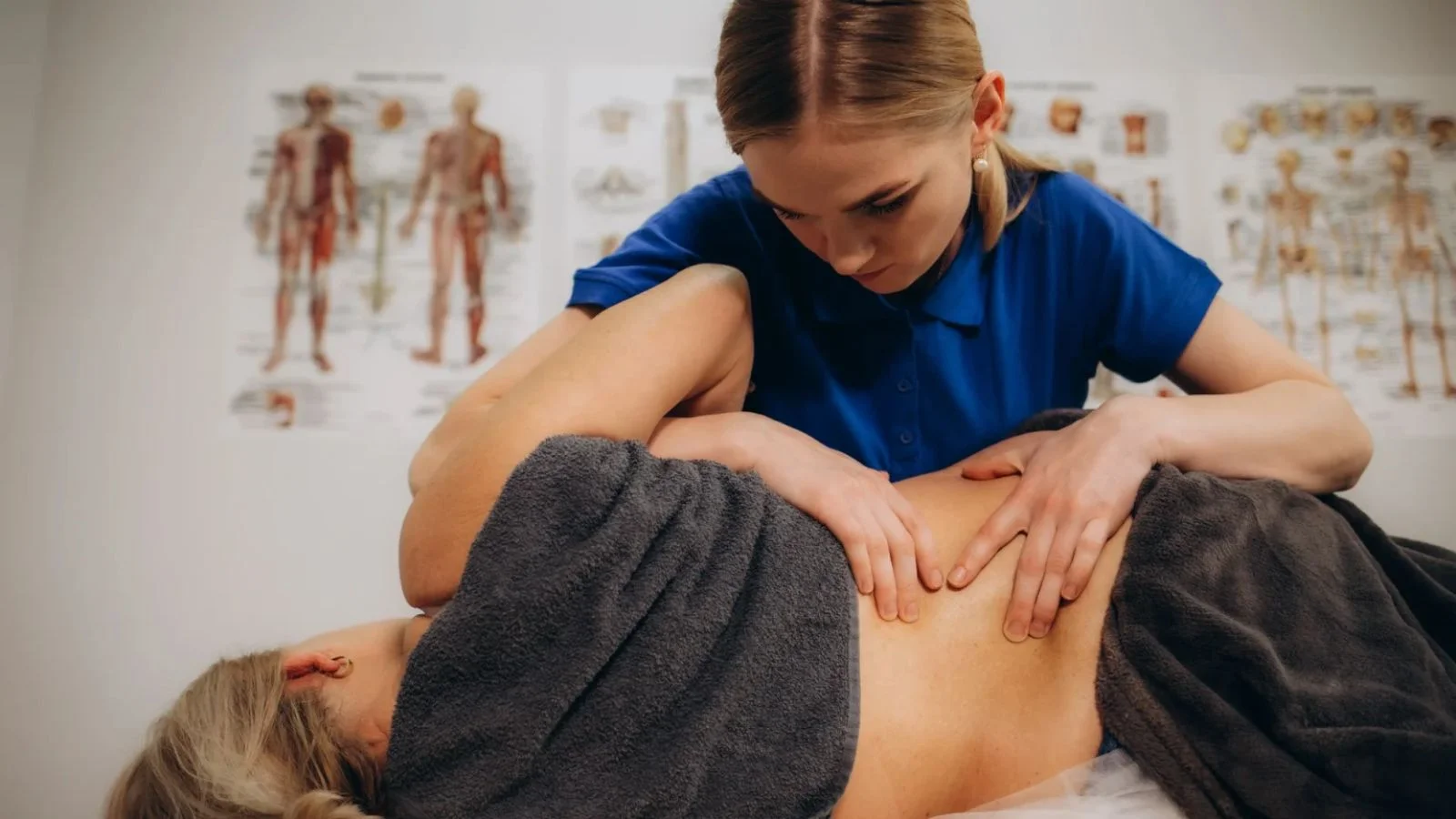
- Spinal manipulation uses controlled movements to improve spinal joint mobility.
- It may help reduce short-term discomfort associated with certain types of back pain.
- Treatment suitability depends on the cause of the pain and individual health conditions.
- Combining manual therapy with physiotherapy exercises may support better movement and recovery.
- A proper assessment is important before starting spinal manipulation.
- Genesis Physiotherapy offers spinal manipulation and other physiotherapy services in Calgary.
- Personalised treatment plans can help patients manage back pain and improve everyday activities.
What Is Spinal Manipulation?
Back pain can make everyday activities like sitting, walking, bending and lifting difficult. If you are considering spinal manipulation treatment options, understanding how this hands-on approach works can help you make an informed decision. Spinal manipulation may help improve joint movement and manage certain types of back pain when recommended after a proper assessment.
Spinal manipulation is a hands-on treatment used by trained healthcare professionals to address certain joint movement problems. It involves applying a controlled movement or pressure to specific joints in the spine. The aim is to improve movement and help manage discomfort.
It is commonly used as part of care for some people experiencing lower back pain, although it is not suitable for every condition.
Why Do People Experience Back Pain?
Back pain can develop for several reasons. Some common causes include:
- Prolonged sitting: Spending many hours at a desk may contribute to stiffness and discomfort.
- Muscle strain: Lifting heavy objects or making sudden movements can strain back muscles.
- Poor movement habits: Repeated bending, twisting or lifting without proper control may contribute to discomfort.
- Spinal conditions: Disc problems and age-related changes can affect the spine and surrounding nerves.
- Sports injuries: Physical activities can sometimes place additional stress on the back.
Understanding the cause is important because different conditions require different treatment approaches.
How Does Spinal Manipulation Help?
Spinal manipulation uses controlled movements to target specific joints. Depending on the patient’s condition, a healthcare professional may use a quick, gentle movement or a slower technique.
The treatment may help some people experience:
- Reduced short-term back discomfort.
- Improved spinal joint movement.
- Less stiffness during everyday activities.
- Better comfort when bending or changing positions.
- Improved ability to take part in rehabilitation exercises.
Results vary between individuals. Spinal manipulation is generally more useful as part of a wider treatment plan rather than the only approach to managing back pain.
What Are the Current Approaches to Back Pain Treatment?
Back pain treatment has increasingly focused on individual assessment, movement and active rehabilitation. Instead of relying only on hands-on treatment, healthcare professionals often combine different approaches.
Some common treatment options include:
Manual Therapy: Hands-on techniques that may help improve joint movement and reduce discomfort.
Exercise Rehabilitation: Specific exercises designed to improve muscle strength, flexibility and physical function.
Acupuncture and Dry Needling: Techniques that may be considered as part of a broader pain management plan.
Patient Education: Guidance on posture, lifting, daily activities and ways to manage symptoms.
People searching for spinal manipulation Calgary services should look for a qualified provider who assesses their condition before recommending treatment.
How Genesis Physiotherapy Approaches Back Pain
Genesis Physiotherapy provides physiotherapy and rehabilitation services in Calgary for people experiencing back pain, neck pain, sports injuries and other physical conditions.
The clinic offers spinal manipulation, manual therapy, acupuncture, dry needling, vestibular rehabilitation and massage therapy.
Treatment is selected according to the patient’s symptoms and needs. An assessment helps determine whether spinal manipulation is appropriate or whether another treatment approach may be more suitable.
The clinic’s physiotherapy approach also focuses on individual care, progress monitoring and helping patients become more independent in managing their physical health.
Benefits of an Individual Treatment Approach
- Treatment based on your symptoms and physical condition.
- Access to different hands-on treatment options.
- Rehabilitation guidance to support better movement.
- Progress monitoring during recovery.
- Advice to help manage discomfort during everyday activities.
What Does a Typical Treatment Plan Look Like?
Consider someone who experiences lower back stiffness after sitting at a desk for several hours every day.
A physiotherapist may first assess their back movement, muscle strength and daily activities. If appropriate, the treatment plan may include spinal manipulation or manual therapy alongside exercises and movement advice.
As treatment progresses, the patient’s response is reviewed. Exercises and other activities can then be adjusted according to their improvement.
This approach helps address both the discomfort and the movement difficulties affecting daily life.
What Is the Future of Spinal Manipulation and Back Pain Care?
Back pain treatment continues to move towards personalised rehabilitation and active patient involvement. Modern physiotherapy increasingly combines hands-on techniques with exercise, education and regular progress assessments.
Treatment plans are also becoming more focused on individual goals, such as returning to work, playing sports or completing everyday activities comfortably.
The main goal is not simply to reduce discomfort during an appointment but to help people improve their movement and manage their physical health over time.
Conclusion
Spinal manipulation may help some people manage back pain and improve joint movement. However, it is not the right option for everyone. The cause of the discomfort, medical history and physical condition should always be considered before starting treatment.
A proper assessment can help identify suitable treatment options and determine whether spinal manipulation, physiotherapy or a combination of approaches may support recovery.
If back pain is affecting your daily routine, consider speaking with a qualified healthcare professional about your treatment options.
Frequently Asked Questions
1. Is spinal manipulation good for lower back pain?
It may help some people with certain types of lower back pain by improving movement and providing short-term symptom relief. Results depend on the underlying condition.
2. Does spinal manipulation hurt?
Most people tolerate the treatment well. Some may experience mild soreness or temporary discomfort afterwards.
3. How many spinal manipulation sessions do I need?
There is no fixed number. The required treatment depends on your symptoms, physical assessment and response to treatment.
4. Is spinal manipulation the same as chiropractic treatment?
Spinal manipulation is a technique used in chiropractic care. It can also be performed by other appropriately trained healthcare professionals, including some physiotherapists.
5. Can spinal manipulation permanently fix back pain?
Not necessarily. It may help manage symptoms, but long-term improvement depends on the cause of the pain and the overall treatment approach.
Patient Reviews

Author
Satish Steve Pandya

Ready to manage your back pain and improve your mobility? Book an appointment with Genesis Physiotherapy in Calgary to explore personalised treatment options and take the next step towards better movement and recovery.
Was this guide helpful?
Thanks for the feedback. It helps us write better guides.