
Buy Now Pay Later (BNPL) has reshaped consumer credit since its mainstream emergence in the early 2020s. In 2026, it is the default payment option at thousands of e-commerce checkouts and increasingly present at point of sale in physical retail. Over 60% of US millennials and Gen Z consumers have used a BNPL service at least once.
This guide explains how BNPL works, the leading providers and their differences, the business case for merchants accepting BNPL, and the consumer considerations that matter in 2026.
How BNPL Works
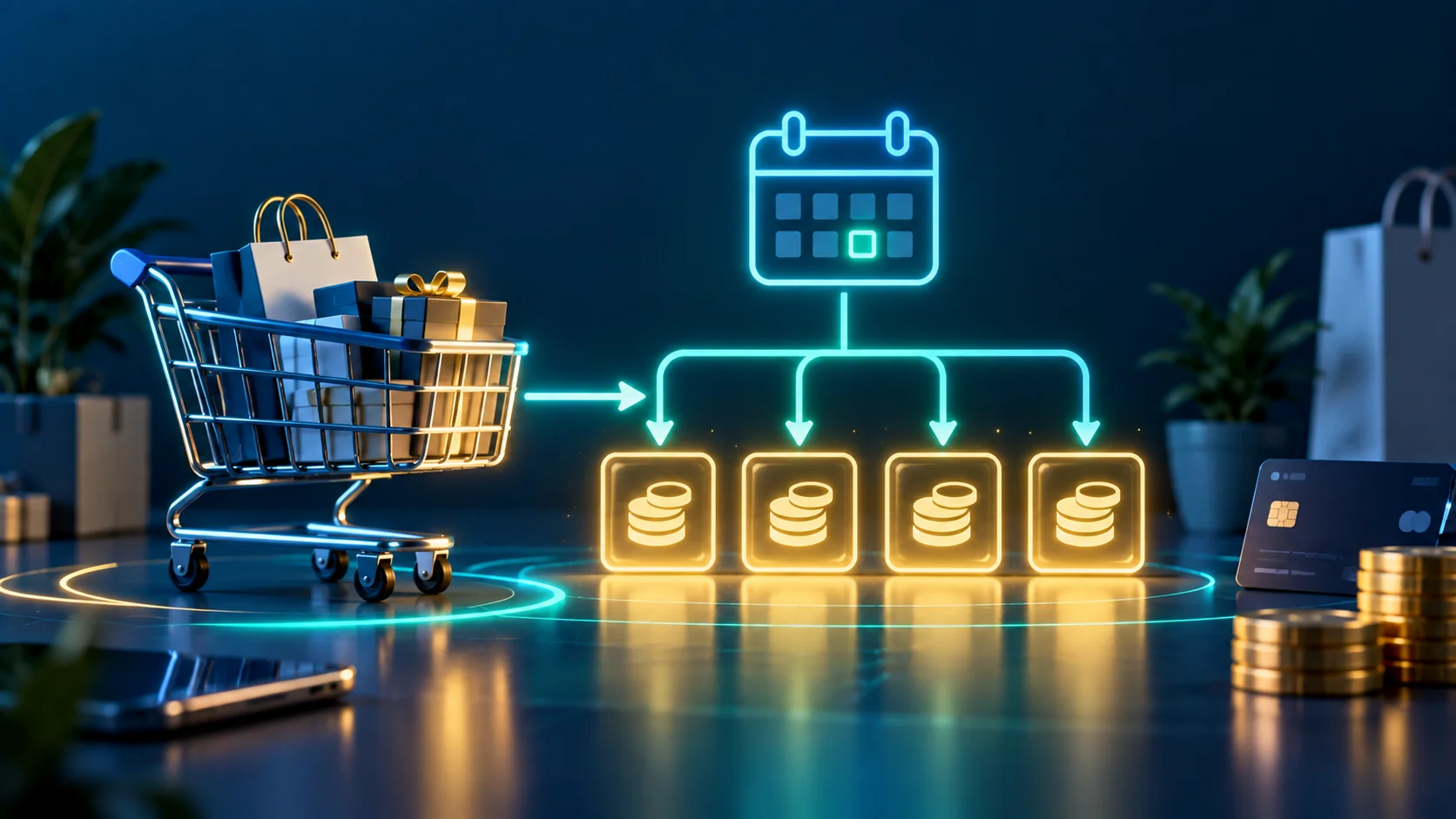
BNPL splits a purchase into equal installments, typically 4 payments made over 6 weeks (“pay in 4”) or monthly installments over 6 to 24 months. Most pay-in-4 products are interest-free if paid on schedule. Missed payments trigger late fees. Longer-term installment plans often carry interest rates (0% to 36% APR depending on creditworthiness and provider).
From the consumer’s perspective, BNPL offers the convenience of spreading costs without a credit card application. From the merchant’s perspective, BNPL increases average order value (AOV) and conversion rates while the BNPL provider absorbs the credit risk.
The Leading BNPL Providers in 2026
Affirm
Affirm is the largest standalone BNPL provider in the US by volume. It offers both pay-in-4 (0% interest) and monthly installment plans (0 to 36% APR depending on creditworthiness). The Affirm Card (debit card with BNPL capability) has grown rapidly. Affirm is integrated with Shopify, Amazon, and thousands of direct merchants.
Klarna
Klarna is the largest BNPL provider globally by merchant count. Its product suite includes pay-in-4, pay in 30 days, and monthly financing. The Klarna app includes a shopping browser, price tracking, and comparison features. Particularly strong in Europe and growing in the US.
Afterpay (Block)
Afterpay, now owned by Block (Square’s parent), focuses on pay-in-4 with integration into the broader Block ecosystem including Cash App. Particularly strong in fashion, beauty, and lifestyle retail.
PayPal Pay Later
PayPal’s BNPL offering is the most widely accessible by default, appearing at any PayPal-accepting checkout without a separate enrollment. Pay in 4 (interest-free) and PayPal Credit (revolving credit, 0% promotional offers) are the main products. Largest reach due to PayPal’s ubiquity.
Apple Pay Later (US)
Apple Pay Later integrates BNPL directly into Apple Wallet. Pay in 4 for Apple Pay purchases with no fees or interest. Strong uptake among iPhone users who find the native integration friction-free.
Comparison: Which Provider Is Best?
| Provider | Best For | Interest Rate | Merchant Integration |
|---|---|---|---|
| Affirm | Large purchases, flexible terms | 0% to 36% APR | Shopify, Amazon, direct |
| Klarna | Broader shopping discovery | 0% to 24% APR | Widest European + US |
| Afterpay | Fashion and lifestyle | 0% (pay in 4) | Fashion-focused merchants |
| PayPal Pay Later | Widest consumer reach | 0% (pay in 4) | Any PayPal merchant |
| Apple Pay Later | iPhone users, native experience | 0% only | Apple Pay merchants |
The Business Case for Merchants
Merchants pay 2 to 8% of the transaction value to BNPL providers (higher than standard card rates of 2.5 to 3.5%). The business case is based on measurable lifts:
- AOV increase: BNPL shoppers spend 20 to 45% more per transaction on average.
- Conversion rate lift: removing payment friction at checkout increases completion rates, especially for higher-priced items.
- Reduced cart abandonment: price sensitivity decreases when the full cost is split across weeks.
- New customer acquisition: BNPL discovery networks (Klarna, Afterpay shopping tabs) drive traffic from BNPL users browsing for deals.
The ROI calculation: if BNPL adds 20% to AOV and increases conversion by 5% at a 4% merchant discount rate, the math typically favors accepting BNPL for most e-commerce businesses above $50K in monthly revenue.
Consumer Considerations: Using BNPL Responsibly
- Pay-in-4 is only free if you pay on time. Late fees range from $7 to $10 per missed payment. Multiple late fees on small purchases quickly erode the value proposition.
- Multiple BNPL plans compound. Using BNPL for 5 purchases simultaneously creates 5 separate payment streams to track. Overextension is a real risk.
- Credit impact varies by provider. Affirm and Klarna monthly plans report to credit bureaus. Pay-in-4 products generally do not, but this is changing as regulators require more reporting.
- Read the terms for interest-bearing plans. 0% promotional periods can end and retroactively apply interest to the entire balance if not paid off in time.
BNPL Regulation in 2026
The CFPB (Consumer Financial Protection Bureau) issued guidance in 2024 classifying most BNPL products as credit cards under the Truth in Lending Act. This creates new disclosure requirements and dispute resolution rights for consumers. Most major providers have updated their practices to comply. The regulation generally benefits consumers with stronger protections without eliminating the product.
5 Common BNPL Mistakes
- Treating BNPL as free money. It is credit. The purchase cost is the same; only the timing changes.
- Using BNPL for recurring expenses. Groceries and utilities on BNPL create a dangerous pattern of living ahead of income.
- Forgetting payment dates. Automatic payment setup prevents late fees. Always enable it.
- Carrying too many simultaneous BNPL plans. Beyond 2 to 3 active plans, tracking becomes difficult and overextension risk grows.
- Assuming BNPL approval means creditworthiness. BNPL approvals are often less rigorous than credit card approvals. Overuse does not improve financial standing and can hurt it through missed payments.
Frequently Asked Questions
Is BNPL bad for your credit?
Pay-in-4 products from most providers currently do not report to credit bureaus and do not affect credit scores unless sent to collections. Longer-term installment plans from providers like Affirm do report payment history. On-time BNPL payments can help build credit; missed payments can hurt it.
Which BNPL is best for merchants?
For Shopify merchants, Affirm and Klarna have the deepest integration and widest consumer recognition. For omnichannel retailers with both online and physical presence, Afterpay and Klarna both support in-store QR code checkout. For businesses already using PayPal, Pay Later adds no integration work.
What is the difference between BNPL and a credit card?
BNPL is typically used for specific purchase installment splitting with no revolving balance. Credit cards offer revolving credit, broader acceptance, and rewards programs. BNPL is simpler and often more consumer-friendly for specific purchases; credit cards offer more flexibility and stronger consumer protections for everyday use.
BNPL Is Now Standard Checkout Infrastructure
BNPL in 2026 is embedded checkout infrastructure for most serious e-commerce operations. Consumers expect it. Merchants who offer it see measurable AOV and conversion lifts. The risks for consumers are manageable with good payment hygiene. The business case for merchants has been validated by years of live merchant data.
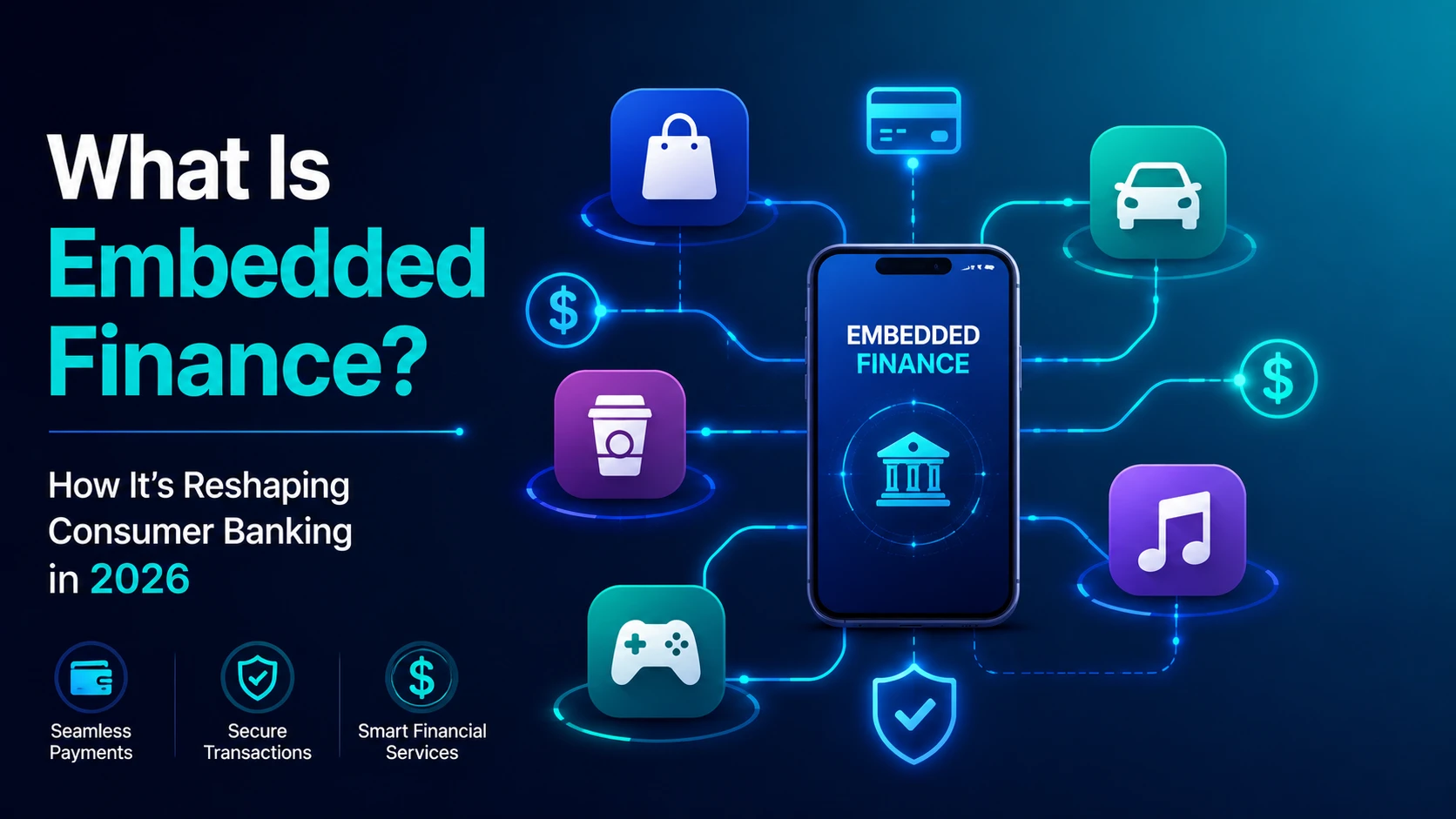
For the broader picture on embedded finance, embedded insurance, and the infrastructure reshaping fintech, read our pillar: Embedded Finance in 2026: The Future of Fintech. More fintech guides live on PostoryCafe.com.