
NordVPN serves more than 14 million users across 111 countries as of 2026, making it the largest commercial VPN service by user count. Global VPN usage grew by 27 percent in 2025, driven by increasing awareness of public WiFi risks, regional content restrictions, and growing government surveillance in multiple jurisdictions, according to the Global Web Index Digital Report 2025. A 2024 study by Georgia Tech’s Security and Privacy Research Lab found that 43 percent of public WiFi networks in major airports globally transmitted at least some unencrypted traffic in test conditions, creating measurable interception risk for users who did not use a VPN.
A VPN is among the most misunderstood security tools in consumer technology. It solves specific problems very well and provides no protection against others. Understanding what a VPN actually does, and does not do, determines whether it is a worthwhile investment for your specific situation. This guide explains the technology clearly, evaluates the best services in 2026, and gives you a direct answer to whether you need one.
What a VPN Actually Does
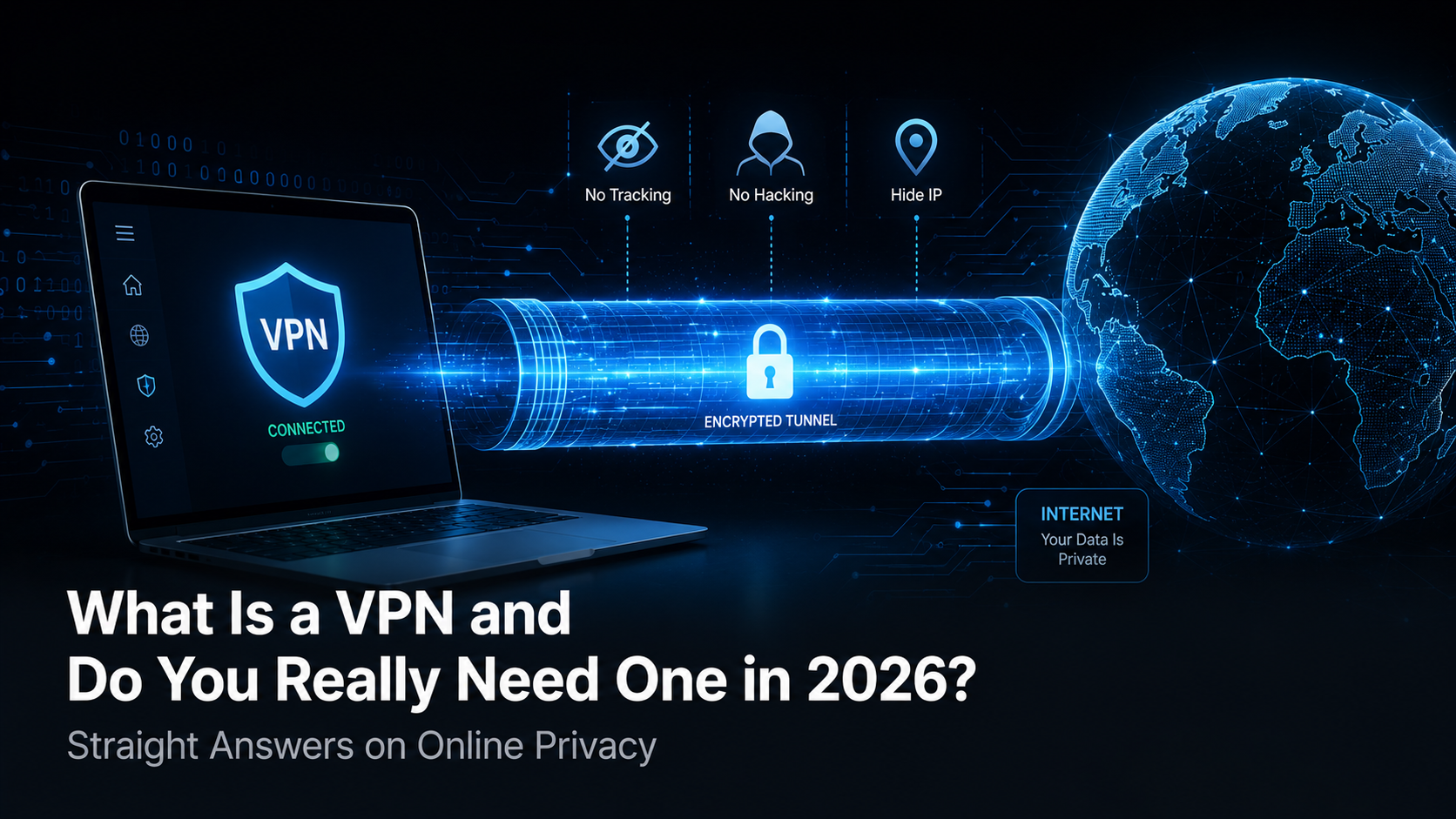
A Virtual Private Network (VPN) creates an encrypted tunnel between your device and a server operated by the VPN provider, routing your internet traffic through that server before it reaches its destination. From the perspective of websites and services you visit, your traffic appears to originate from the VPN server’s IP address, not from your actual location or network. From the perspective of your internet service provider (ISP) or anyone monitoring the network you are connected to, they see only that you are communicating with a VPN server; they cannot read the content of your traffic.
This architecture creates four specific benefits: it prevents your ISP from logging which websites you visit (ISPs in the United States, United Kingdom, and Australia are legally permitted to log and sell browsing data), it makes your traffic unreadable on shared networks like public WiFi, it conceals your geographic location from services that restrict content by region, and it masks your real IP address from websites you visit. It does not prevent malware, phishing, or social engineering attacks. It does not make you anonymous if you log into accounts identifying you. It does not protect against browser fingerprinting or tracking cookies.
When You Genuinely Need a VPN in 2026
Public WiFi Use
Public WiFi at airports, cafes, hotels, and co-working spaces is the clearest use case for a VPN in 2026. The Georgia Tech study’s finding that 43 percent of major airport WiFi networks transmit some unencrypted traffic means that without a VPN, your HTTP traffic (and metadata from HTTPS traffic) is potentially readable by anyone on the same network using freely available packet analysis tools. For business travellers handling email, documents, and client communications on public networks, the encryption a VPN provides is a meaningful risk reduction. For occasional casual browsing on public WiFi, the risk is lower but not zero.
Geo-Restricted Streaming
Netflix, BBC iPlayer, Hulu, Disney+, and most major streaming platforms restrict content by geographic region due to licensing agreements. A VPN connected to a server in the United States gives an Indian or European user access to the US Netflix library, which contains titles unavailable in other regions. Netflix actively detects and blocks VPN IP addresses; the effectiveness of any VPN for streaming depends on how aggressively the service updates its server IP pools to evade detection. NordVPN and ExpressVPN maintain the largest pools of regularly rotated streaming-optimised servers in 2026.
Privacy from ISP Tracking
Internet Service Providers in jurisdictions without strong data protection regulations can log and monetise subscribers’ browsing histories. In India, the Department of Telecommunications requires ISPs to retain user data for two years and make it available to government agencies on request without requiring a court order, under the Telecom Act 2023. A VPN prevents your ISP from logging the websites you visit. It does not prevent the VPN provider from logging your activity, which is why the provider’s logging policy (specifically a verified no-logs policy) is the most critical factor in VPN selection for privacy-motivated users.
Best VPN Services in 2026
| VPN | Price/Month | Servers | Logging Policy | Best For |
| NordVPN | $3.99 (2yr) | 6,400+ in 111 countries | Audited no-logs | Overall best |
| ExpressVPN | $6.67 (1yr) | 3,000+ in 105 countries | Audited no-logs | Speed and streaming |
| Surfshark | $2.49 (2yr) | 3,200+ in 100 countries | Audited no-logs | Budget value |
| Mullvad | 5 EUR/month | 700+ in 46 countries | Strict no-logs (cash accepted) | Maximum privacy |
| ProtonVPN | $4.99/month | 3,500+ in 91 countries | Audited no-logs + open source | Privacy + free tier |
VPNs in India: What You Need to Know in 2026
India’s Computer Emergency Response Team (CERT-In) directive issued in April 2022 and enforced from September 2022 requires VPN providers to collect and store user data for five years, including names, IP addresses, and usage patterns. NordVPN, ExpressVPN, Surfshark, and several other major providers responded by removing their physical servers from India and switching to virtual Indian servers, where the server appears to be in India but the physical hardware operates in another jurisdiction (typically Singapore or the United Kingdom) outside India’s data retention mandate.
Indian users who subscribe to these services get functional VPN connectivity with Indian server options, but the providers technically are not storing data on Indian soil. Users in India using VPNs are not violating any law as of 2026; VPN use by individuals is legal in India. The CERT-In directive applies to VPN service providers operating infrastructure in India, not to their customers. Users should verify that their chosen provider uses virtual (not physical) Indian servers if privacy from Indian regulatory access is a priority.
What a VPN Cannot Protect You From
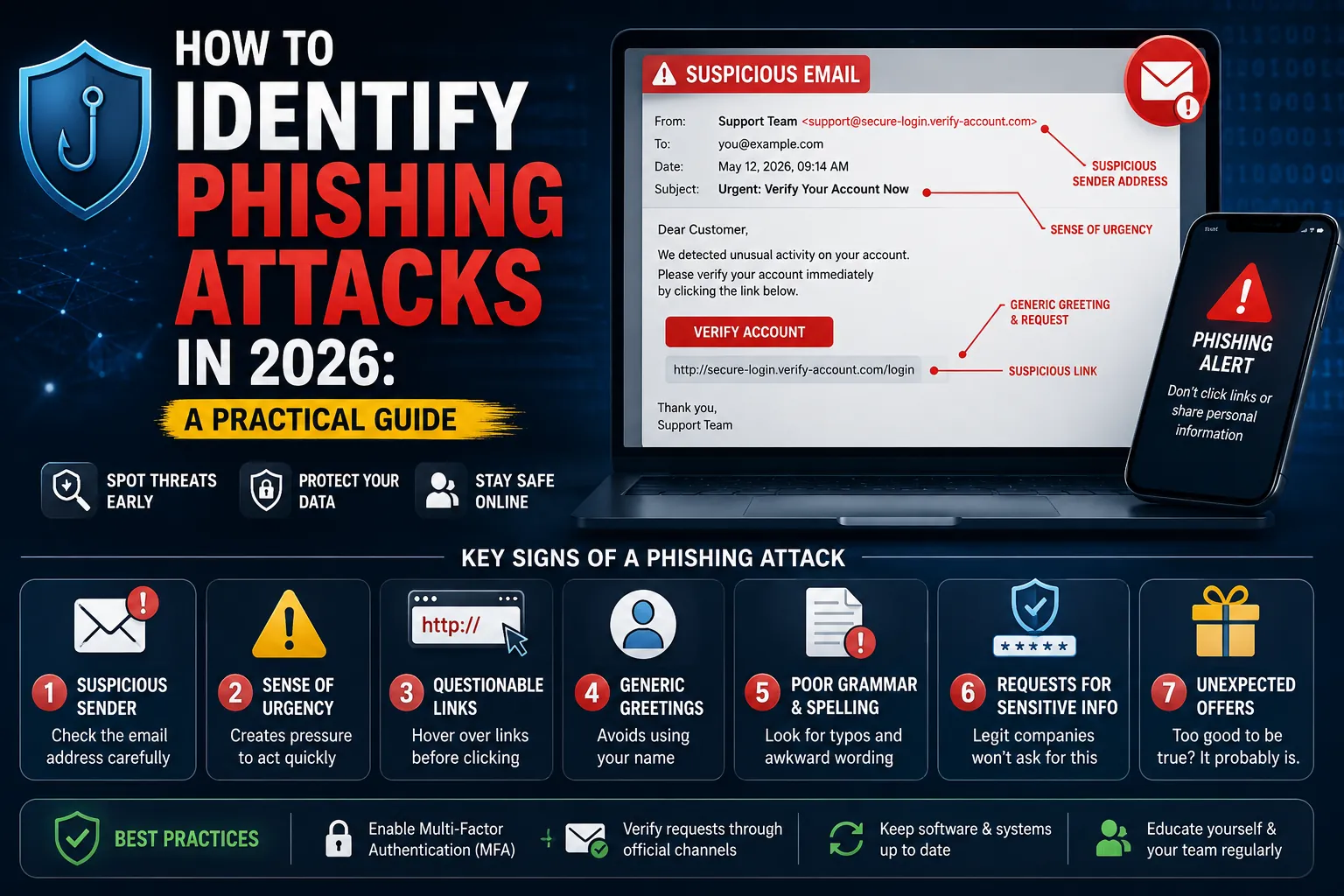
A VPN does not protect against malware downloaded from a website you visit while connected to it. If you download and execute a malicious file through a VPN-encrypted connection, your device is compromised regardless. A VPN does not prevent identity tracking via cookies and browser fingerprinting once you have logged into a Google, Facebook, or other tracked account: these services know who you are and track your behaviour regardless of which IP address your traffic originates from. A VPN does not protect your passwords from phishing sites that look legitimate: the encrypted tunnel delivers you to the fake site just as efficiently as it would to a real one.
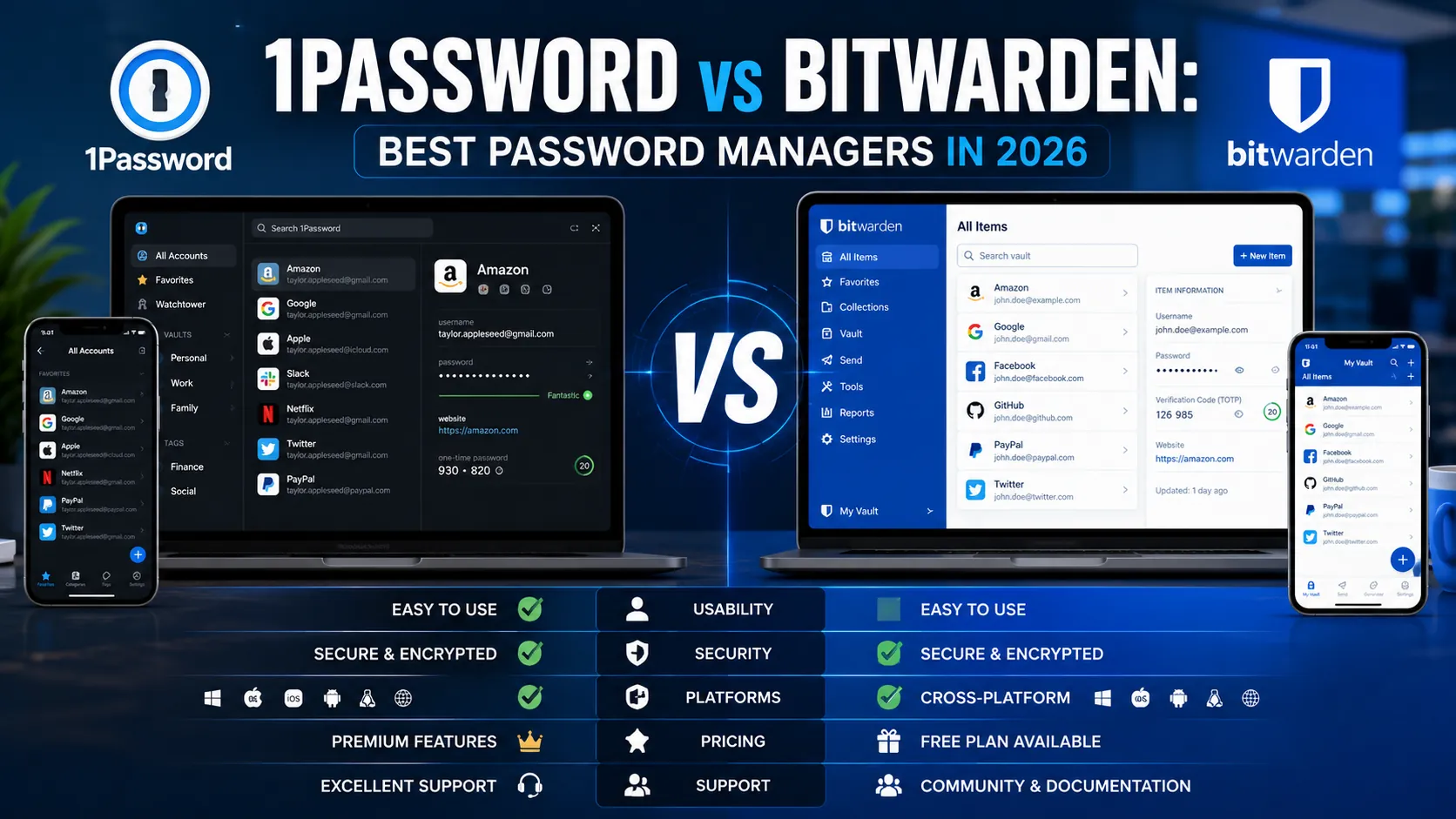
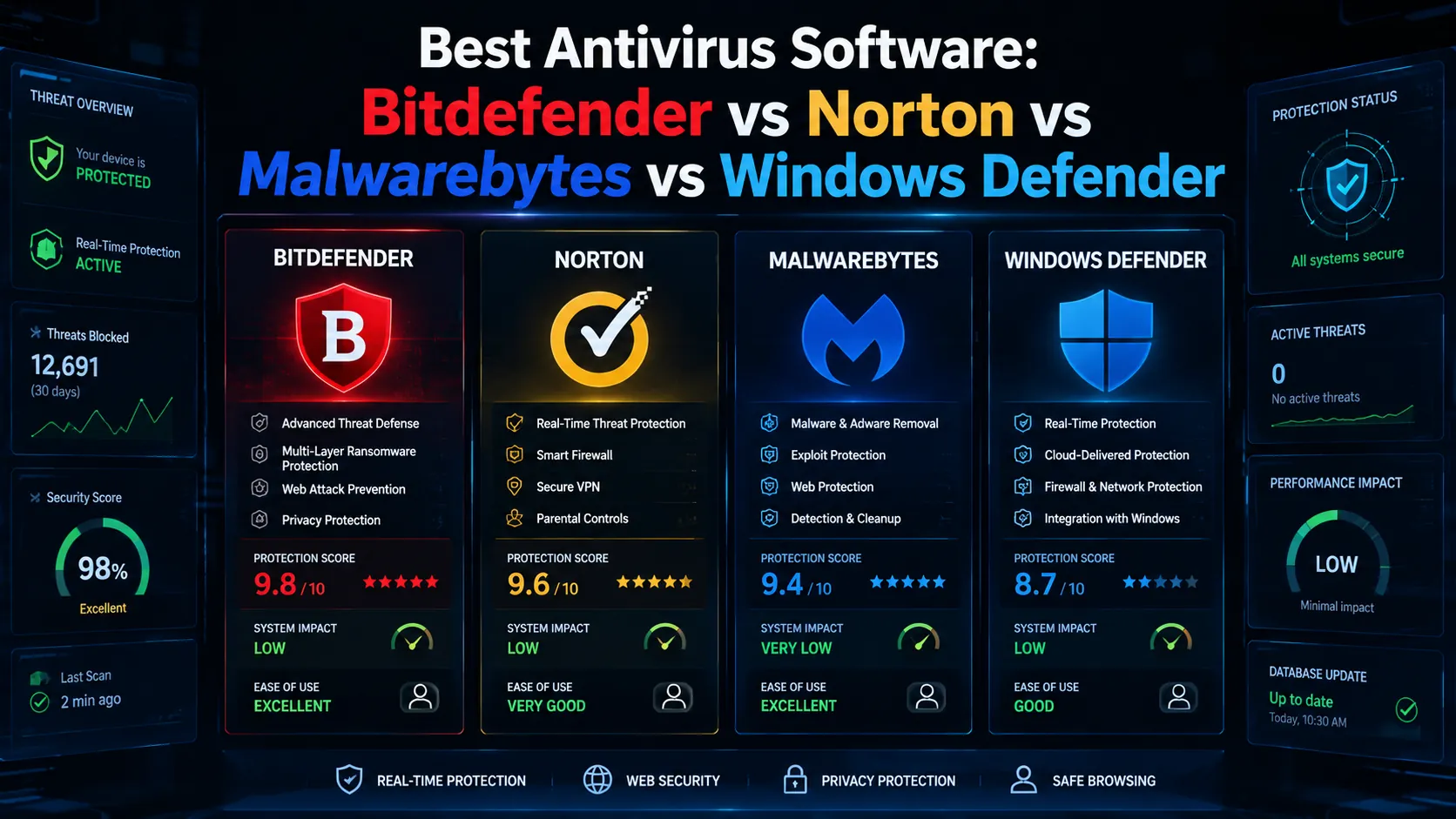
Antivirus software, browser-based ad and tracker blockers (uBlock Origin, Privacy Badger), and password managers protect against the threat categories that VPNs do not address. Comprehensive digital privacy in 2026 requires layering these tools, not substituting one for another. The common misperception that a VPN makes users ‘anonymous online’ is the single most dangerous misconception in consumer cybersecurity.
Frequently Asked Questions: VPNs in 2026
What is a VPN and how does it work?
A VPN (Virtual Private Network) creates an encrypted connection between your device and a remote server operated by the VPN provider. All your internet traffic passes through this encrypted tunnel, emerging at the VPN server’s location rather than your own. This prevents your ISP from seeing your browsing activity, protects your traffic on public WiFi from interception, and makes websites see the VPN server’s IP address and location instead of your real one.
Is using a VPN legal in India in 2026?
VPN use by individuals is legal in India in 2026. The CERT-In directive from 2022 requires VPN service providers to store user data for five years, but it applies to providers operating infrastructure, not to individual users. Most major VPN providers removed physical servers from India in 2022 to 2023 and now serve Indian users through virtual servers located outside India. Using a VPN to access legally restricted content in India may violate the terms of service of specific platforms, but is not a criminal offence.
What is the best VPN for India in 2026?
NordVPN and ExpressVPN are the best VPN services for Indian users in 2026 based on their combination of audited no-logs policies, virtual Indian servers for low-latency connections, and strong streaming server performance for accessing international Netflix, BBC iPlayer, and other geo-restricted libraries. Surfshark at $2.49 per month on a two-year plan is the best budget option with comparable feature coverage. ProtonVPN’s free tier provides a legal, zero-cost option for users with lower speed and server requirements.
Does a VPN slow down internet speed?
A VPN adds latency and reduces throughput because it routes traffic through an additional server and adds encryption overhead. Premium VPN providers using the WireGuard protocol (adopted by NordVPN, Surfshark, and Mullvad as their default in 2026) experience speed reductions of approximately five to 15 percent compared to unprotected connections on high-speed broadband, which is imperceptible for streaming, browsing, and video calls. Connecting to a geographically distant server amplifies speed loss: a user in Mumbai connecting to a New York server will experience significantly higher latency than connecting to a Singapore server.
Can I use a free VPN safely in 2026?
Most free VPN services in 2026 monetise through advertising, selling user data, or injecting tracking code into web traffic, making them counterproductive for privacy. ProtonVPN is the only free VPN service consistently recommended by security researchers because it operates on a no-logs policy verified by independent audit, limits free users to three server locations and one device rather than monetising their data, and is funded by Proton’s paid subscriber base rather than data sales.
Does a VPN protect me from hackers?
A VPN protects against one specific hacking technique: interception of unencrypted traffic on shared networks (such as a man-in-the-middle attack on public WiFi). It does not protect against malware, phishing, brute-force password attacks, account credential stuffing, or social engineering. A VPN should be used alongside antivirus software, a password manager (Bitwarden, 1Password), and browser-based tracker blocking (uBlock Origin) for comprehensive protection. Treating a VPN as a complete security solution overestimates what it does.
Use the Right Tool for the Right Threat
The question ‘do I need a VPN in 2026?’ has a clear answer once you identify your actual threat model. If you regularly use public WiFi with sensitive accounts, work remotely from cafes or hotels, or live in a jurisdiction where ISP data retention is a concern, a VPN at $3 to $7 per month is a defensible and cost-effective security measure. If your internet use consists exclusively of home broadband browsing of mainstream services on accounts you are already logged into, the marginal security benefit of a VPN is lower, and the money may be better spent on a password manager.
The VPN industry in 2026 has not fully shed its marketing tendency to claim broader protection than the technology delivers. NordVPN, ExpressVPN, and Proton are more credible than average because their no-logs claims have been tested by independent auditors and, in the case of NordVPN and ExpressVPN, by actual legal subpoena attempts that returned no user data. For the specific protections VPNs provide, these providers deliver them. For the protections VPNs cannot provide, no provider can make the technology do more than its architecture allows.