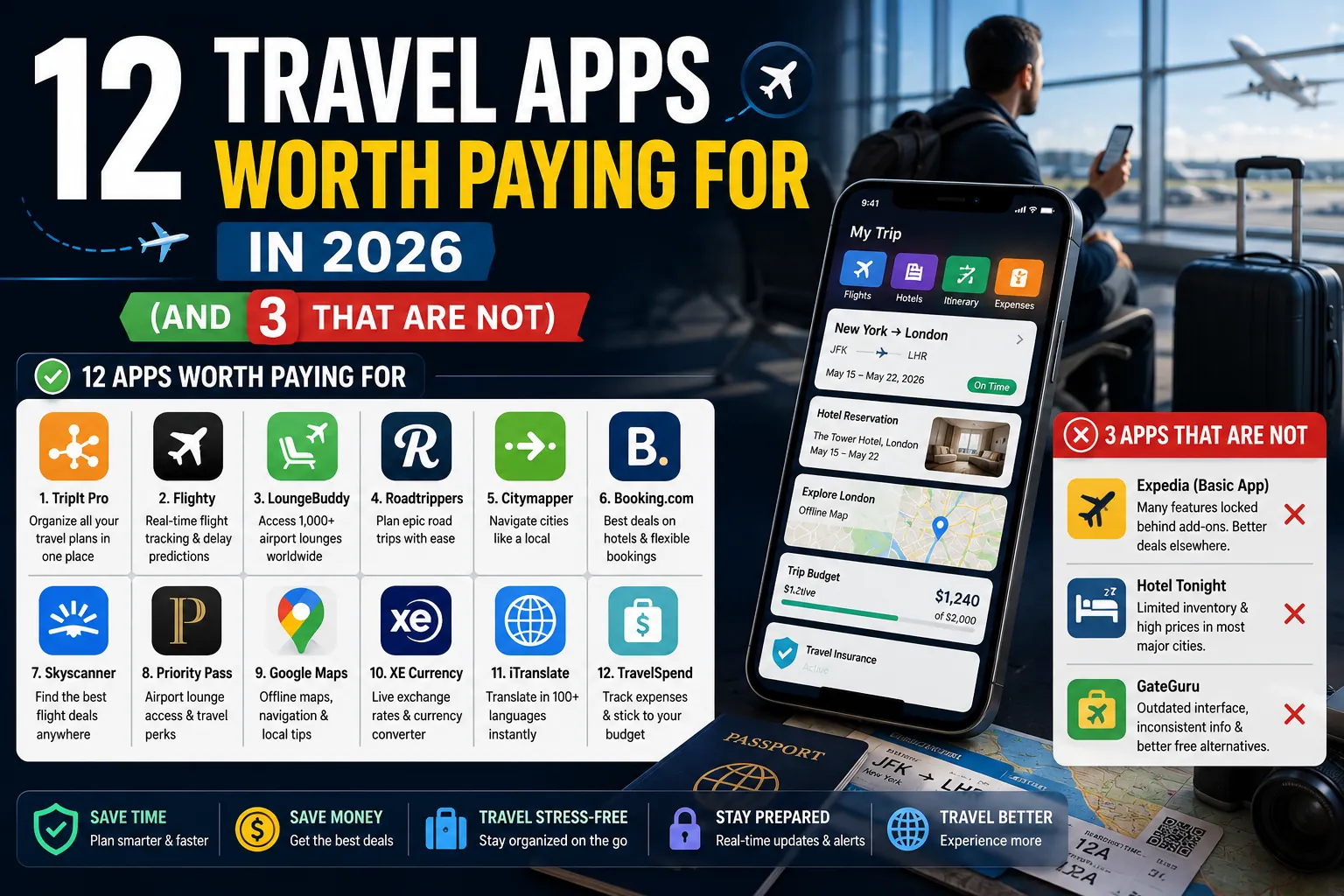


Credit card points and miles, used well, can produce thousands of dollars in annual travel value. The hobby (called “travel hacking” or “miles and points”) has matured into a serious financial optimization for people who travel frequently. Most casual travelers leave significant value on the table by using the wrong cards or redeeming points inefficiently.
This guide covers the practical playbook for earning and redeeming credit card points in 2026, with specific card recommendations, redemption strategies, and the mistakes that cost beginners thousands.
The Three Main Points Currencies in 2026
- Chase Ultimate Rewards. Often considered the most flexible currency. Transfers to 14+ airline and hotel partners including United, Southwest, Hyatt, and Marriott.
- American Express Membership Rewards. Transfers to 20+ partners including Delta, Hilton, Marriott, British Airways, Air France, and Singapore Airlines.
- Capital One Venture Miles. Easier to use than Chase or Amex but slightly less valuable per point. Strong for travelers who do not want to optimize transfers.
Airline-specific (Delta SkyMiles, United MileagePlus) and hotel-specific (Marriott Bonvoy, Hilton Honors) currencies are valuable for loyalists but less flexible.
The Best Cards for Travel Hackers in 2026
Chase Sapphire Preferred ($95 annual fee)
Strong starter card. 60,000-point welcome bonus typical. Earns 3x on dining, 2x on travel. Points are worth 1.25 cents each when redeemed for travel through Chase, or potentially more via airline/hotel transfer partners.
Chase Sapphire Reserve ($550 annual fee)
Premium tier card. $300 annual travel credit (effectively $250 net fee). Priority Pass lounge access. 3x on travel and dining. Points worth 1.5 cents each via Chase Travel.
American Express Platinum ($695 annual fee)
Premium card with extensive credits (airline incidental, Uber, streaming, hotel, Walmart+) that can net the fee for users who max them. Strongest lounge access (Centurion Lounges, Priority Pass, Delta Sky Club when flying Delta).
Capital One Venture X ($395 annual fee)
$300 annual travel credit. 10,000-mile anniversary bonus. 2x on everything. Strong choice for travelers wanting premium benefits without complex point optimization.
American Express Gold ($325 annual fee)
4x on dining and US supermarkets. Strong points earning for everyday spending. $120 dining and $120 Uber credits annually offset much of the fee.
How to Get Maximum Value: Transfer Partners
The single biggest mistake new travel hackers make is redeeming points for cash back or travel portal bookings. Transfer partners typically deliver 2 to 5x the value.
Example: 60,000 Chase Ultimate Rewards points are worth:
- $600 cash back (1 cent per point).
- $750 to $900 through Chase Travel portal (1.25 to 1.5 cents per point).
- $2,000+ in business class flights via Air Canada Aeroplan transfer.
- $1,500+ in Hyatt hotel stays at premium properties.
The same points produce dramatically different value depending on redemption method. Always check transfer partners for major redemptions.
Best Transfer Partner Sweet Spots
- Hyatt: consistently strongest hotel value via Chase points. Category 1 hotels start at 3,500 points/night.
- Air Canada Aeroplan: strong business class redemptions on Star Alliance partners.
- British Airways Avios: excellent for short-haul flights on American Airlines.
- Air France/KLM Flying Blue: monthly Promo Rewards with discounted award pricing.
- Singapore KrisFlyer: premium cabin redemptions on Singapore Airlines, including the famous Singapore Suites.
The Annual Fee Math
Premium cards with annual fees pay back through credits and benefits if used correctly. Track which credits you actually use.6 Common Travel Hacking Mistakes
- Carrying a balance. Interest at 22%+ APR destroys all points value. Pay in full every month or stop playing.
- Redeeming for cash back. Cash back is 1 cent per point. Transfer partners often deliver 2 to 5 cents per point.
- Chasing every welcome bonus. Opening 10+ cards per year damages credit and creates account management complexity.
- Holding points too long. Devaluations happen. Devalued points hurt more than spent points.
- Booking economy flights with points. Economy redemptions are usually poor value. Save points for premium cabin or hotels.
- Forgetting credits. $300 in travel credits not used equals $300 wasted annual fee. Track and use them.
Expert Tips
- Time welcome bonuses to large planned expenses. Tax payments, business expenses, or major purchases can trigger welcome bonuses without changing spending.
- Hold a flexible-currency card for big trips. Chase Sapphire or Amex Platinum let you transfer to whichever partner provides the best deal at booking time.
| Card | Annual Fee | Main Credits | Effective Net Cost If Maxed |
|---|---|---|---|
| Sapphire Preferred | $95 | None | $95 |
| Sapphire Reserve | $550 | $300 travel credit | $250 |
| Amex Platinum | $695 | Airline, Uber, streaming, hotel, Walmart+ | $0 to $300 |
| Capital One Venture X | $395 | $300 travel + 10K anniversary miles | Negative (better than free) |
- Use AwardHacker, Point.me, or Seats.aero. These tools find the best award flight redemptions across loyalty programs.
- Pair a premium and an earner card. A premium card for benefits and an earner card (Amex Gold, Chase Freedom Unlimited) for daily spending.
- Travel during off-peak times. Award availability and prices both improve significantly outside peak holiday periods.
Frequently Asked Questions
How much can I realistically earn in travel rewards per year?
A typical engaged travel hacker earns $3,000 to $10,000 in travel value annually through welcome bonuses, point earning on everyday spend, and strategic redemptions. Power users with multiple premium cards and strategic bonus stacking can produce $20,000+ in travel value annually. Casual users with one good card typically generate $500 to $2,000 in annual value.
Does travel hacking hurt my credit score?
Modestly, in the short term. Each new application creates a hard inquiry. New accounts lower your average account age. Over time, total available credit increases, which helps utilization ratios. Most experienced travel hackers maintain credit scores above 750. The keys: always pay in full, never close older cards casually, and pace applications.
Is travel hacking worth the effort?
For people who travel frequently and pay credit cards in full, yes. The annualized return on time invested is high. For people who do not travel often, struggle to pay balances, or find the optimization stressful, no. Travel hacking is a hobby for some and a chore for others. Decide accordingly.
Start Simple and Expand
New travel hackers should start with one card (Chase Sapphire Preferred or Capital One Venture X are strong choices) and learn the basics before adding complexity. The math is real but requires consistent attention to credits, transfer partners, and redemption opportunities. Within a year, the system pays for itself many times over for people who travel regularly.
For the broader picture on travel technology, apps, and infrastructure for frequent travelers, read our pillar: Smart Travel in 2026: Apps and Gadgets Every Traveler Needs. More travel guides live on PostoryCafe.com.