
Solo travel is the fastest-growing travel category in 2026, driven by remote work flexibility, post-pandemic lifestyle shifts, and improving safety infrastructure globally. More than 40% of all leisure trips globally are now taken by solo travelers according to travel industry data.
But solo travel involves different risk profiles than group travel. This guide covers the practical safety framework experienced solo travelers use in 2026, with specific tools, habits, and protocols for different risk environments.
The 5 Risk Categories in Solo Travel
- Personal security: theft, scams, assault. The most common category of incident globally.
- Health: food safety, medical access, prescription access, medical evacuation.
- Digital security: public Wi-Fi risks, passport data, financial data.
- Communication: losing contact with emergency contacts, language barriers in emergencies.
- Political and environmental: civil unrest, natural disasters, travel advisories.
Pre-Trip Safety Planning
Check Travel Advisories
The US State Department (travel.state.gov), UK Foreign Office (gov.uk/foreign-travel-advice), and Australian DFAT (smartraveller.gov.au) all publish regularly updated travel advisories by country and region. Check these 2 to 4 weeks before departure and again 48 hours before.
Register with the State Department’s STEP program (Smart Traveler Enrollment Program). This notifies you of safety alerts and helps the US government locate and assist you in an emergency.
Get Travel Insurance With Medical Evacuation
Standard credit card travel insurance rarely covers emergency medical evacuation, which can cost $50,000 to $300,000 in some regions. A $50 to $200 travel insurance policy that includes medical evacuation coverage is non-negotiable for international solo travel. SafetyWing, World Nomads, and IMG are the most trusted options for long-term travelers.
Share Your Itinerary
Give your detailed itinerary (hotels with addresses, transportation plans, daily schedule) to at least two trusted contacts at home. Use a shared Google doc or Notion page that updates automatically as plans change. Check in daily or every other day.
Personal Security: The Practical Framework
- Blend in, do not broadcast. Expensive jewelry, large cameras, and tourist maps mark you as a target. Dress modestly in local style, use your phone for maps, and move with confidence.
- Carry a decoy wallet. A secondary wallet with a small amount of local cash and expired cards satisfies most street robberies without handing over your real wallet.
- Be vigilant in predictable vulnerable moments. Arriving in a new city, withdrawing cash at an ATM, and waiting for transportation are the highest-risk moments. Stay alert.
- Use hotel safes. Passport, extra cash, second credit card, and extra SIM card belong in the room safe, not in your bag.
- Know the local emergency number. 112 works in most European countries and many others. Know the local police, ambulance, and fire numbers for your destination.
Essential Solo Travel Tech in 2026
GPS Satellite Communicator (Garmin inReach or SPOT)
For travel in remote areas (national parks, rural destinations, adventure activities), a GPS satellite communicator lets you send SOS signals and location updates even without cellular coverage. Garmin inReach starts at $349 with $15 to $65/month plans. Life-saving for wilderness travel.
Global eSIM (Airalo, Holafly)
Always having local cellular data access is a safety fundamental. Airalo and Holafly provide regional and global data eSIMs at a fraction of carrier roaming costs. Activate before departure.
VPN
A VPN protects your data on public Wi-Fi (hotels, cafes, airports) which are prime interception points. NordVPN and ExpressVPN are the most trusted options for travelers.
Apple AirTag or Tile
Place a tracker in your main luggage. If checked bags are lost or diverted, you can track them in real time rather than depending entirely on airline tracking systems.
Financial Security: The Smart Setup
- Notify your bank before departure. Most fraud protection systems flag foreign transactions as suspicious. Notification prevents frozen cards at critical moments.
- Carry two cards from different networks. A Visa and a Mastercard from different banks. If one is blocked, lost, or skimmed, the other provides backup.
- Use a travel debit card. Wise, Charles Schwab Debit, and Revolut all offer zero (or near-zero) foreign transaction fees. Significant savings on international spending.
- Keep emergency cash in your accommodation safe. $200 to $300 USD in cash provides emergency backup if both cards fail simultaneously.
Health Safety
- Check vaccination requirements and recommendations. CDC Traveler’s Health (cdc.gov/travel) lists requirements and recommendations by country. Visit a travel clinic 4 to 6 weeks before departure for region-specific advice.
- Carry a basic medical kit. Ibuprofen, antidiarrheal medication, antibiotic ointment, bandages, blister care, water purification tablets, oral rehydration salts.
- Know the emergency medical system at your destination. How do you call an ambulance? Where is the nearest hospital? Does your travel insurance require pre-authorization?
- Carry a summary of your medical history in local language. A translated card listing your allergies, medications, and medical conditions is invaluable in a foreign-language emergency.
5 Common Solo Travel Safety Mistakes
- Not telling anyone your plans. Solo travelers who disappear can take days or weeks to be noticed without a proper check-in system.
- Trusting overly friendly strangers too quickly. Friendly locals are generally wonderful. People who approach specifically to offer unsolicited help often have ulterior motives.
- Carrying all your valuables in one bag. A single theft or loss should not mean losing everything.
- Skipping travel insurance. Medical evacuation costs exceed most travelers’ annual income in many destinations.
- Being on your phone constantly while walking. Heads-down phone use while walking signals distraction and marks you as a target.
Expert Tips
- Join solo traveler communities. r/solotravel, Girls Love Travel, and nomad Slack groups share real-time destination-specific safety information.
- Choose centrally located accommodation. Walking distance to transit, restaurants, and attractions reduces time spent in unknown areas at night.
- Trust your instincts. The physiological signal of discomfort exists for a reason. Remove yourself from situations that feel wrong before they escalate.
- Photograph your important documents. Passport, visa, insurance, itinerary photos stored in Google Drive or iCloud are accessible even if your device is stolen.
Frequently Asked Questions
Which countries are safest for solo travelers?
Iceland, Japan, New Zealand, Portugal, Switzerland, and Singapore consistently rank among the safest destinations for solo travelers across independent safety indices. Safety varies significantly within countries. Research specific regions and cities, not just country-level generalizations.
Is solo travel safe for women?
Yes, with appropriate preparation. Millions of women travel solo safely every year. Destination selection, accommodation choice (women-only dorms at hostels, established hotel brands), and security habits (not advertising solo status, trusting instincts, staying in well-lit populated areas) substantially reduce risk in most destinations. The r/solotravel and Girls Love Travel communities provide destination-specific advice from experienced women solo travelers.
What is the most important thing to have for solo travel?
Travel insurance with emergency medical evacuation coverage. Everything else on this list reduces the probability of incidents. Travel insurance manages the consequences of incidents that happen anyway. Medical evacuation from a remote location without insurance can cost more than most people earn in a year.
Safety Enables Adventure
The goal of solo travel safety is not to avoid risk entirely. It is to manage risk intelligently so that when things go wrong (and occasionally they will), you have the tools, resources, and plans to handle them. With the right preparation, solo travel in 2026 is safer, more accessible, and more rewarding than any previous era.
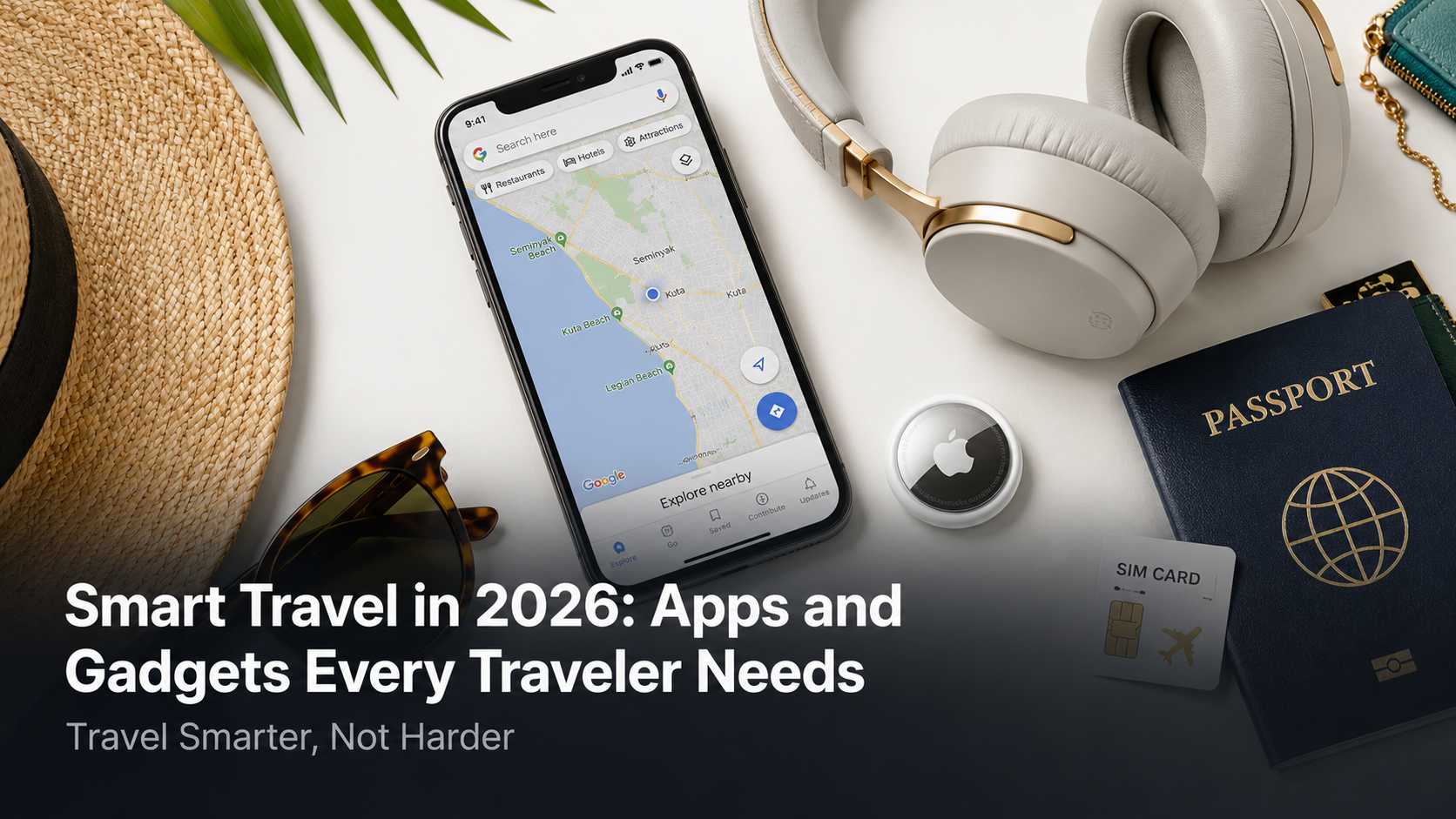
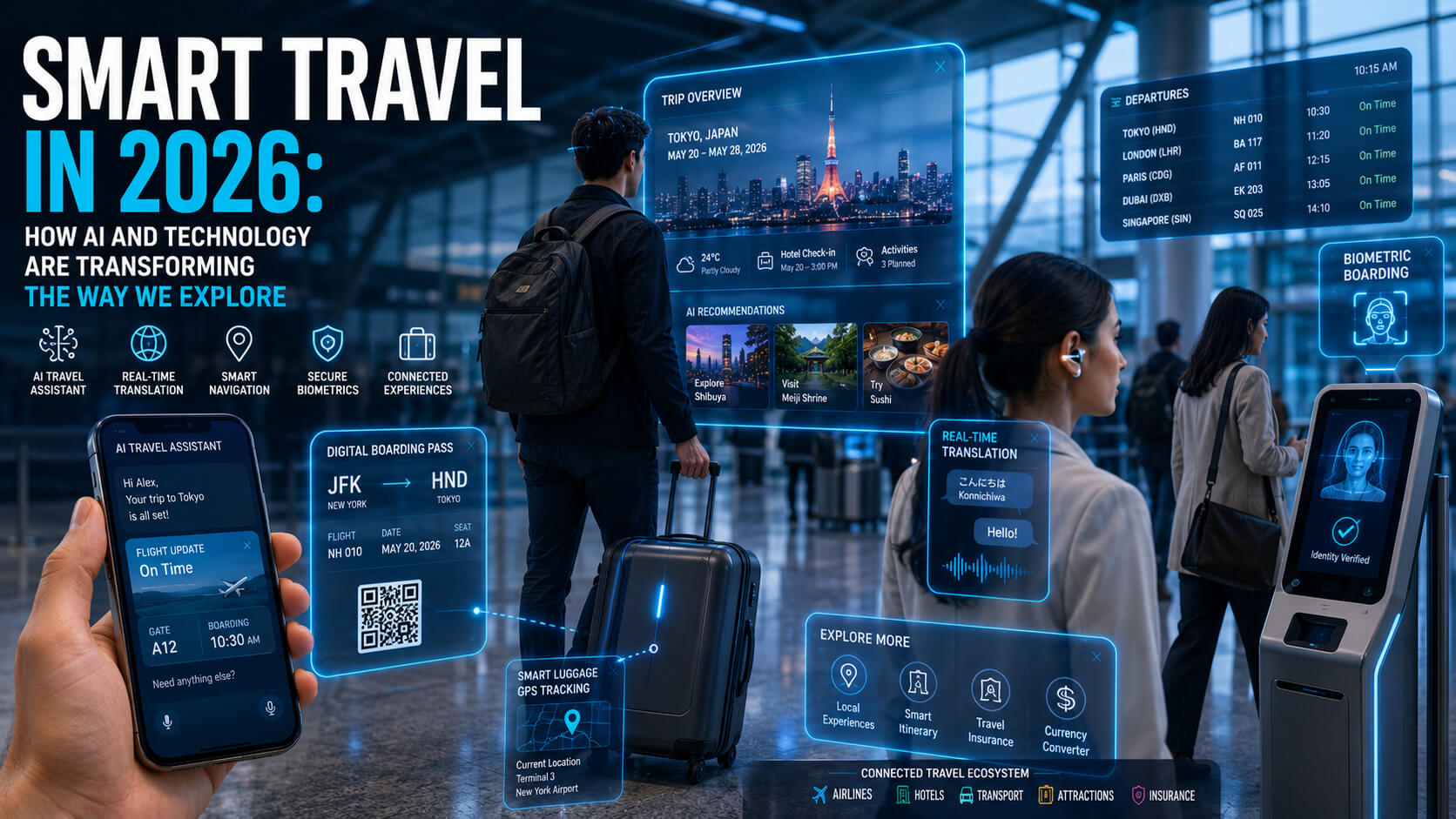
For the broader picture on smart travel apps, tools, and essentials, read our pillar: Smart Travel in 2026: Apps and Gadgets Every Traveler Needs. More travel guides live on PostoryCafe.com.